1. Leaf walk, then color to sort
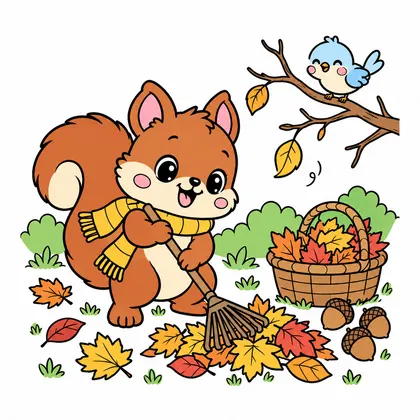
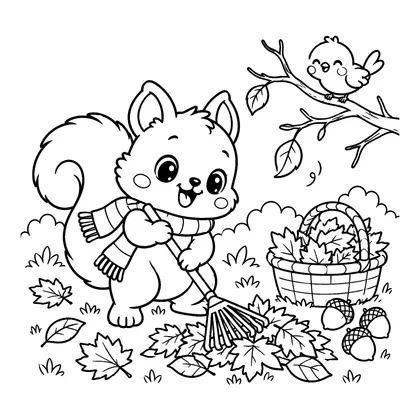
Lay the leaves you collected next to the page and compare colors. The squirrel raking leaves is a good scene for choosing yellows, oranges and reds.
2. Acorn wreath craft
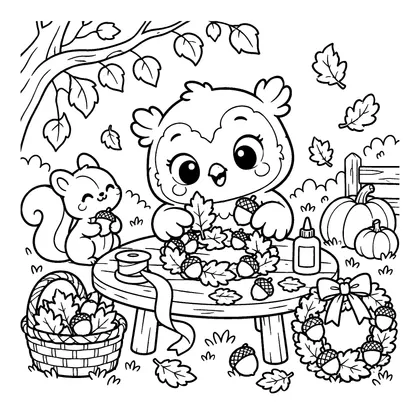
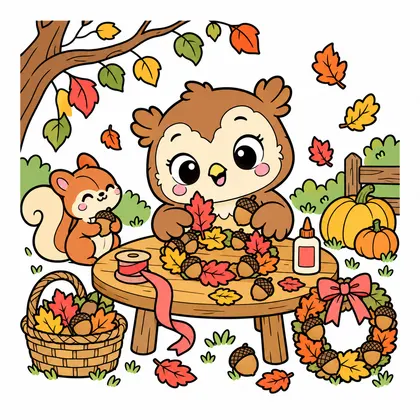
Before the craft, color the owl making an acorn wreath and talk about what materials you will need, then make your own.
3. A pumpkin patch for the wall
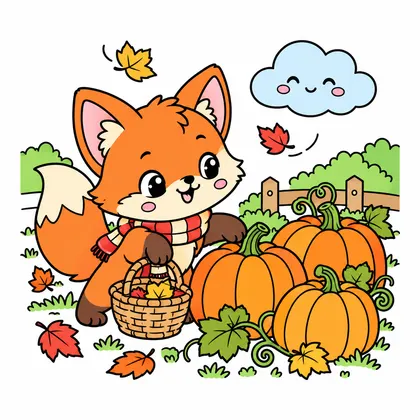
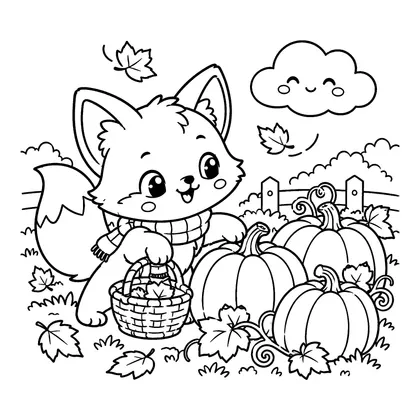
Color the fox in the pumpkin patch, then cut paper pumpkins and build “our class pumpkin patch” on the wall.
4. Chestnut gathering game
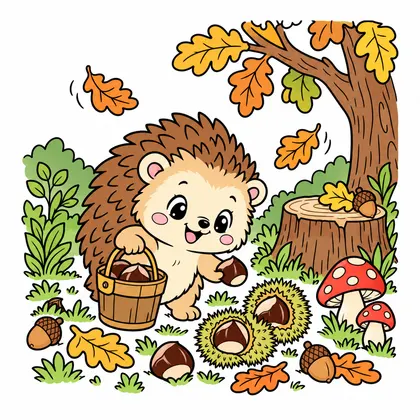
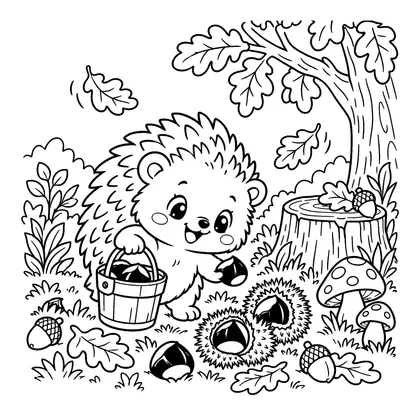
After the hedgehog chestnut scene, play a fine-motor game moving “chestnuts” into a basket with tongs or spoons. Change the tool to change the difficulty.
5. Apple stamping
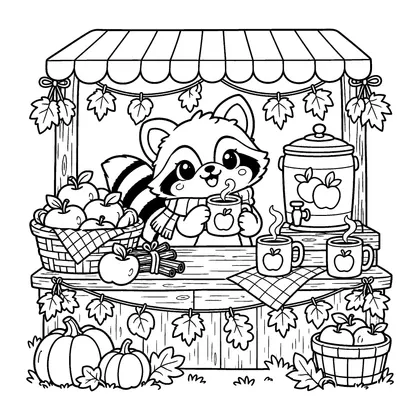
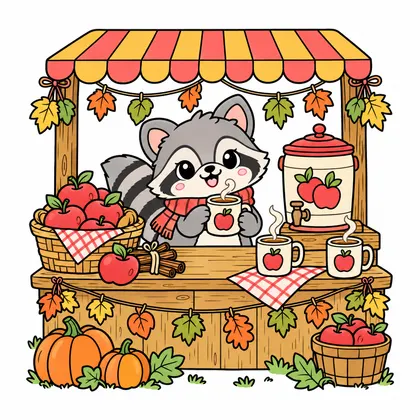
Stamp with a halved apple, then match the colors on the apples in the raccoon’s cider stand page.
6. Talk about the forest
Ask what each animal is doing. Open questions such as “Where is the bear going?” turn coloring into a speaking activity.
7. Crayon leaf rubbings
Rub a crayon over paper on top of a leaf, then color the leaves on the page in the same colors and compare.
8. Cut-out garland
Cut out the colored pages and string them into a classroom garland. Printing on thicker paper makes them sturdier.
9. Imagine an apple picnic
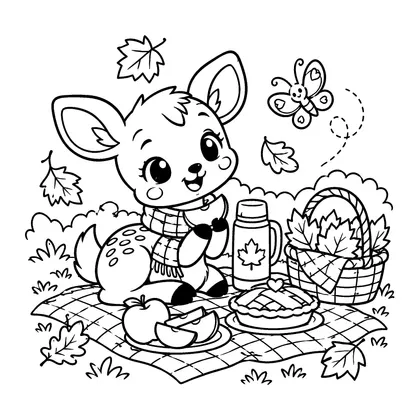
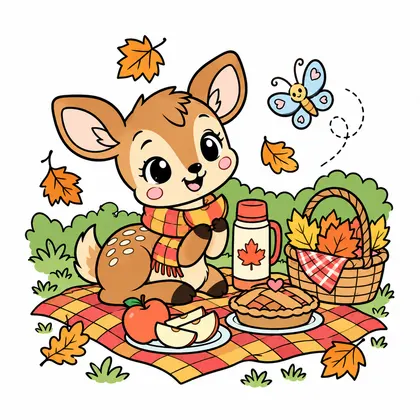
Color the fawn’s autumn picnic and let children add the foods they would bring next to the picture.
10. Learn seasonal color names
Look at the color reference beside each page and say color names together: orange, brown, yellow. Follow the reference or choose your own.
Printing tips
- Each page downloads separately; the color reference and the line art come as a pair.
- Plain copy paper is fine for pencils and crayons; slightly thicker paper reduces bleed-through from water-based markers.
Pages used in this article
FAQ
How many autumn pages are there?
The kawaii animal series has ten autumn scenes (squirrel leaf raking, fox pumpkin patch, hedgehog chestnuts and more), each a color reference plus black-and-white line art.
May I print them for my class?
Yes. You may print as many as you need at home and in classrooms, nurseries and after-school programs. Selling or redistributing the files is not allowed.
What age are they for?
The scenes have many small details, so they suit roughly ages 4–7. For younger children, help them start with the large areas.