Lesson order (about 40 minutes)
- Warm-up (5 min): show your own country’s flag and ask what it is.
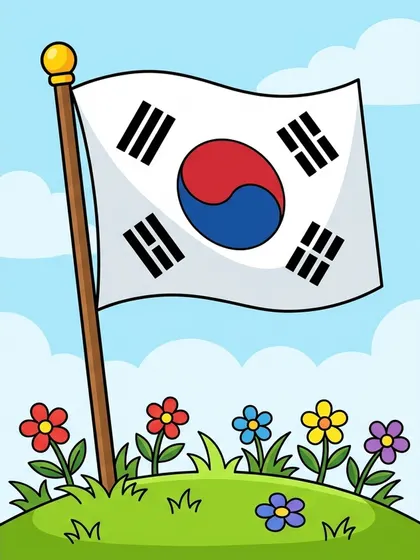
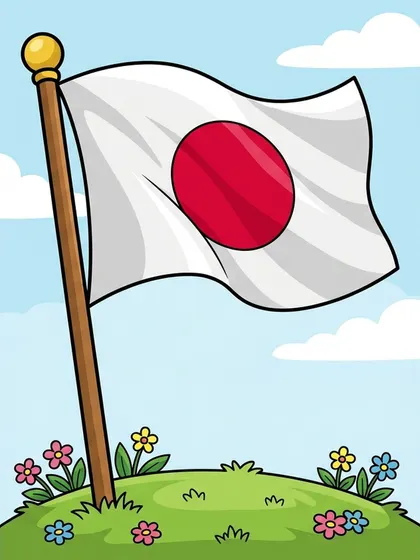
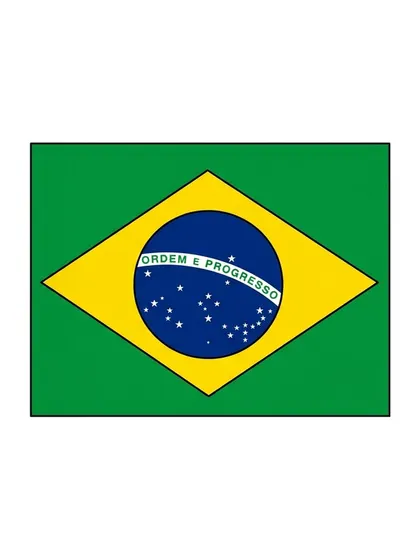
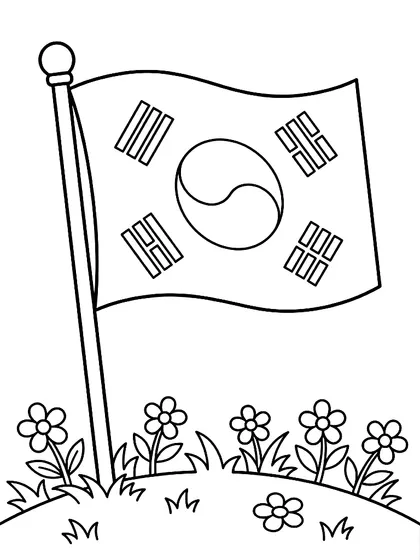
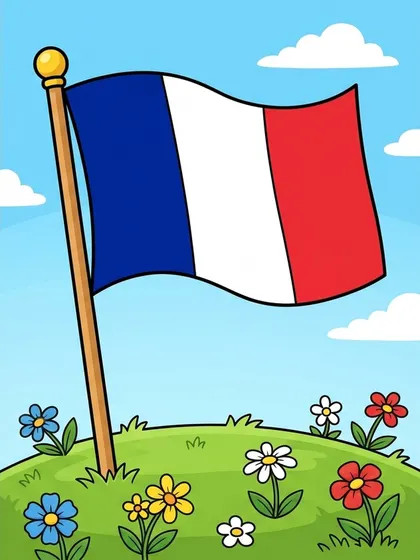
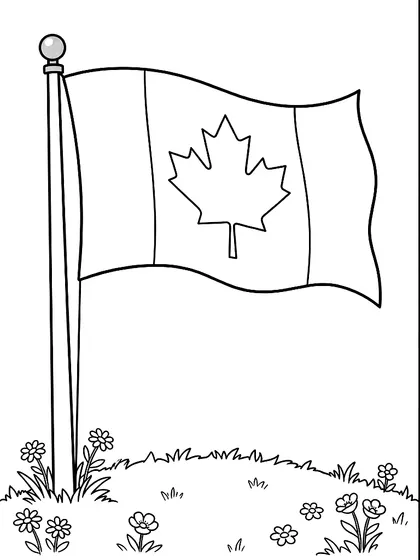
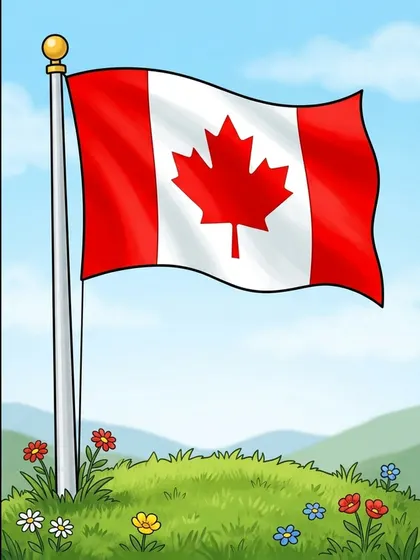
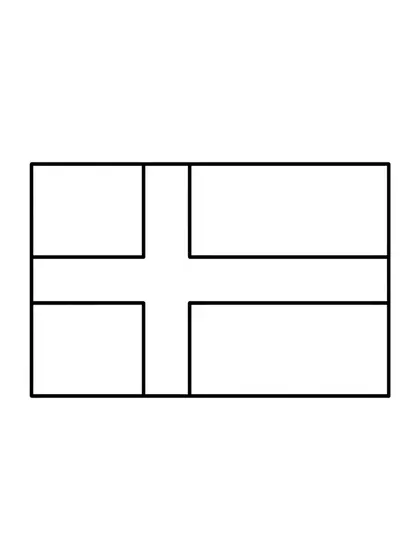
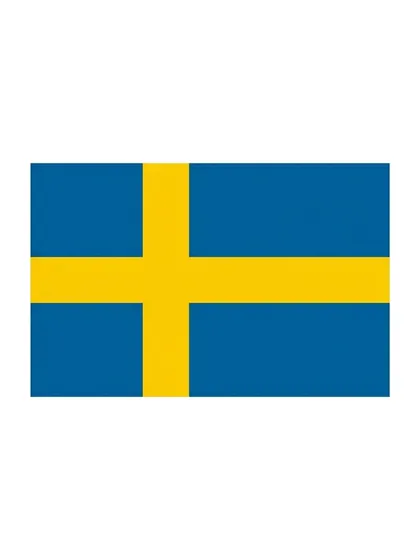
- Coloring (20 min): color the line art while looking at the color reference.
- Find the country (10 min): locate it on a world map and add a sticker.
- Talk (5 min): share what the colors and symbols tell you.
Flags to start with
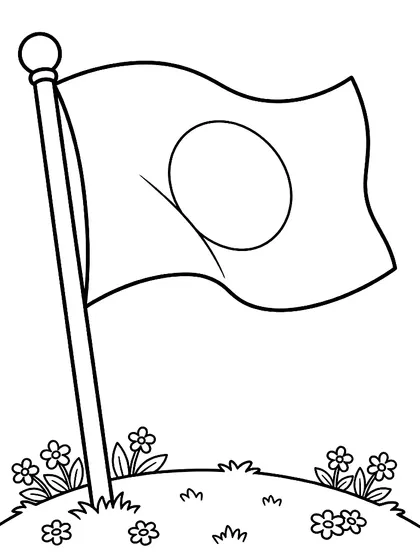
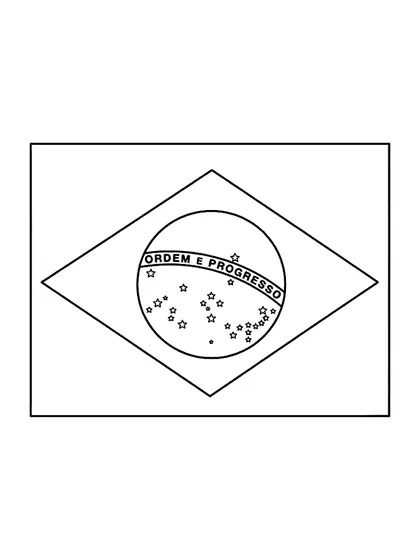
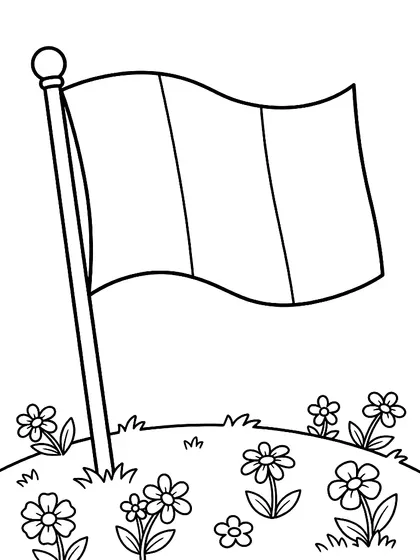
Start with simple flags with large areas, such as Japan, France or Sweden, so children succeed early. Flags with stars or coats of arms (the United States, Brazil, Spain) make good challenges later.
Coloring tips
- Flags have set colors, so keep the color reference beside the page.
- Flag pages with a pole and flowers let children color the background any way they like.
- Sharp pencils or fine pens help with small stars and emblems.
Extend with landmarks
After coloring a country’s flag, color its landmark (for example the Eiffel Tower for France or Himeji Castle for Japan). Each country is then learned through two pictures. The landmark series also has worksheets with the country name and flag.
A note on accuracy
These pages are learning aids. For official proportions and exact shades, check each country’s official specification.
Pages used in this article
FAQ
How many countries are there?
Currently 30, including South Korea, the United States, the United Kingdom, France, Japan, Canada, Germany, Italy, Brazil and Australia, and we keep adding more.
Is one page one country?
One pair (color reference plus black-and-white line art) is one country. Worksheets with the country name and flag are in the landmark series.
What age is it for?
Simple flags suit ages 4 and up; flags with detailed symbols suit early elementary children.