
1. One syllable, one square
English writes letters in a line: g-o-m. Korean groups the same sounds into one block: 곰 (gom, bear). Each block is one syllable and takes the same square space, which is why handwriting practice uses squares with a guide cross.
2. The four block shapes
- Consonant + tall vowel, side by side: 가 (ga), 나 (na), 기 (gi)
- Consonant + flat vowel, stacked: 고 (go), 누 (nu), 그 (geu)
- Side-by-side block + final consonant below: 강 (gang), 말 (mal)
- Stacked block + final consonant below: 곰 (gom), 북 (buk)
3. Where the vowel goes
Tall vowels (ㅏ ㅑ ㅓ ㅕ ㅣ) stand to the right of the consonant. Flat vowels (ㅗ ㅛ ㅜ ㅠ ㅡ) lie under it. A syllable that starts with a vowel sound still needs a consonant in front, so the silent ㅇ takes that place: 아 (a), 오 (o), 이 (i).
4. Final consonants (batchim)
- The batchim goes at the bottom of the block and is written last.
- Many letters can be a batchim, but at the end of a word they are pronounced as one of seven sounds: k, n, t, l, m, p and ng. ㅅ, ㅈ, ㅊ, ㅌ and ㅎ all sound like t: 옷 (ot, clothes).
- When the next syllable starts with the silent ㅇ, the batchim moves over and is said with it: 거북이 (turtle) is read geo-bu-gi.
- ㅇ at the bottom is ng, as in 강 (gang, river) and 공 (gong, ball).
5. How big each part is
In a side-by-side block the consonant takes about half the width; in a stacked block it takes the top half. Add a batchim and everything above it shrinks into roughly the upper two-thirds. Beginners often write the batchim too big or too far to the right: keep it centred under the block.
6. Practise in this order
- The 가나다 row: ga, na, da, ra, ma, ba, sa, a, ja, cha, ka, ta, pa, ha (all side-by-side blocks)
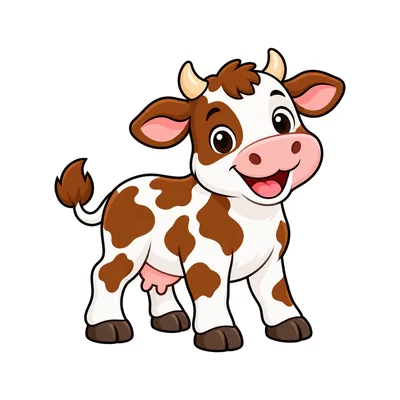
- Words with no batchim: 소 (so, cow), 오리 (ori, duck), 사자 (saja, lion)
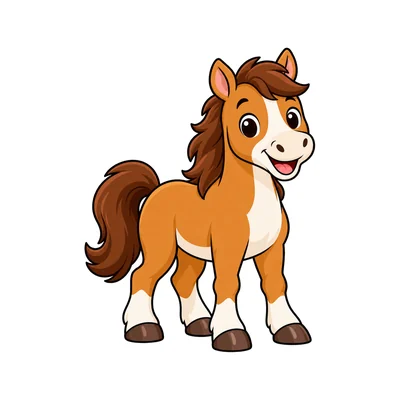
- One batchim: 곰 (gom, bear), 말 (mal, horse), 양 (yang, sheep)
- Longer words: 고양이 (goyangi, cat), 코끼리 (kokkiri, elephant), 바다코끼리 (badakokkiri, walrus)
7. Common beginner mistakes
- Writing the letters in a row (ㄱㅗㅁ) instead of one block (곰).
- Mixing up ㅏ and ㅓ: in 가 the short stroke points away from the consonant; in 거 it points toward it.
- Forgetting the silent ㅇ in words that start with a vowel sound, such as 오리 (ori).
- Drawing ㅇ clockwise or in two strokes. It is one stroke that starts at the top and goes to the left.
Practice with this guide
Trace these sets on screen, or print the same letters and words as a worksheet.

FAQ
Can a block have two final consonants?
Yes. Some words, such as 닭 (dak, chicken), have two letters side by side in the batchim place (ㄺ). Usually only one of them is pronounced. Learn single batchim first.
How long should I use the guide cross?
It helps you judge the size of each part at first. Once your blocks look even, try squares without the cross, then lined paper.
Is there a set for syllable blocks?
Yes. "First Korean Syllables" has the 가나다 row, and the picture word sets go from words without a batchim to words with one.