The lesson in two sessions
- Materials: country-shape pages with flags, animal world-map pages, world flag pages, 3 x 3 bingo cards you draw and photocopy, scissors, glue, markers (paper scraps or buttons) and a wall map or globe.
- Session 1, making (40 min): warm-up 5 min, coloring the country pages 20 min, filling in the bingo card 10 min, tidy-up 5 min.
- Session 2, playing (40 min): explain the rules 5 min, two rounds of bingo 20 min, pinning countries on the map 10 min, tidy-up 5 min.
Three kinds of pages, three jobs
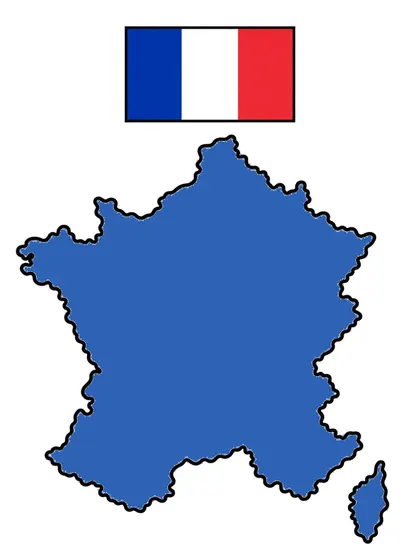
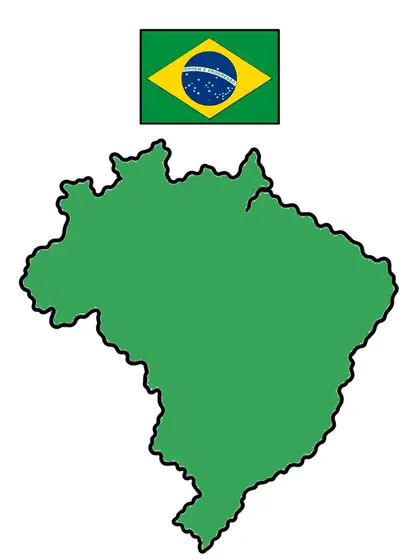
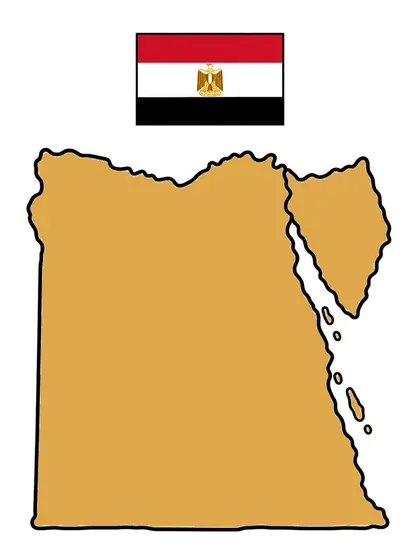
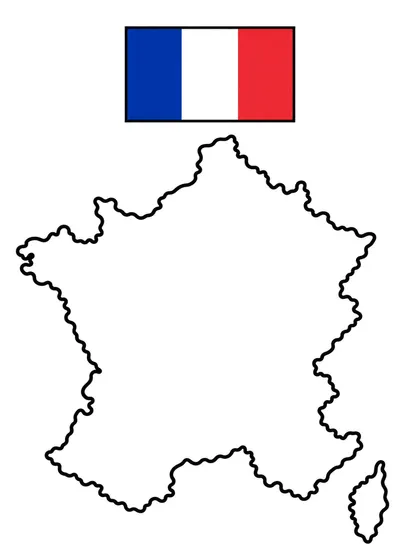
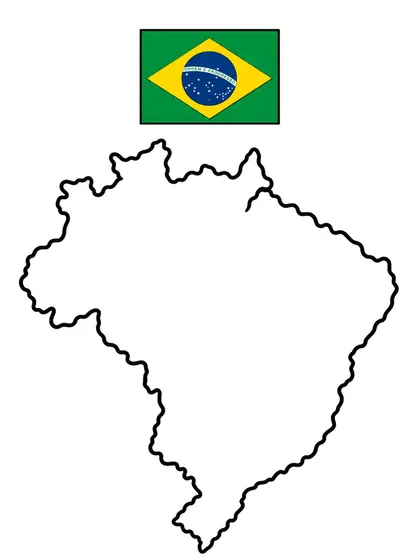
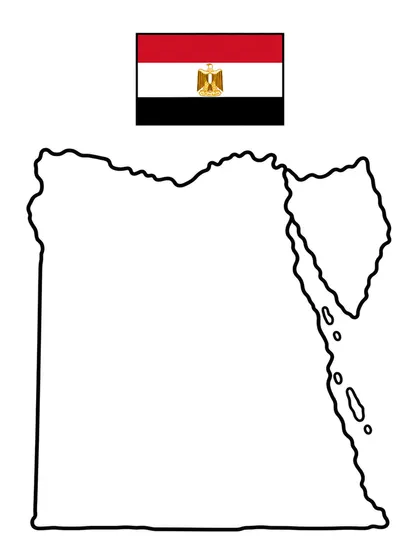
- Country map pages with flags: a small flag sits on each country shape. After coloring, cut them out and use them as the pictures that go in the bingo squares. There is one page per country, such as France, Brazil and Egypt.
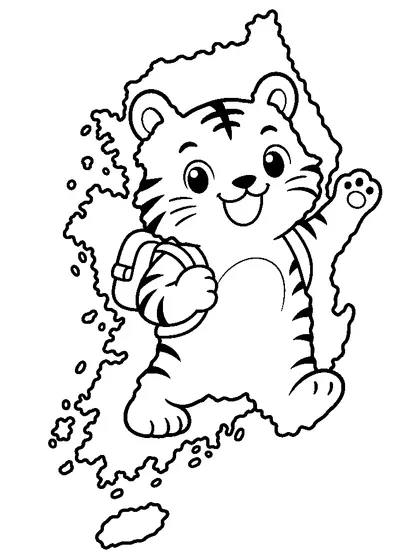
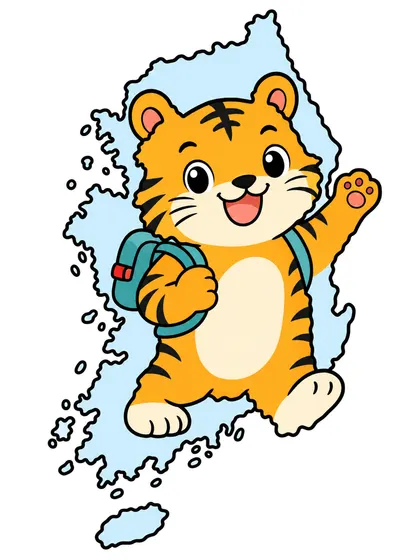
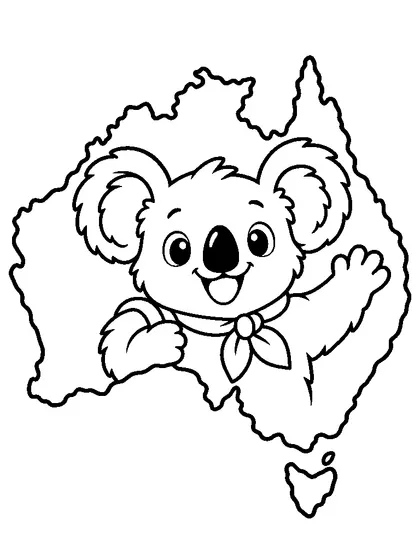
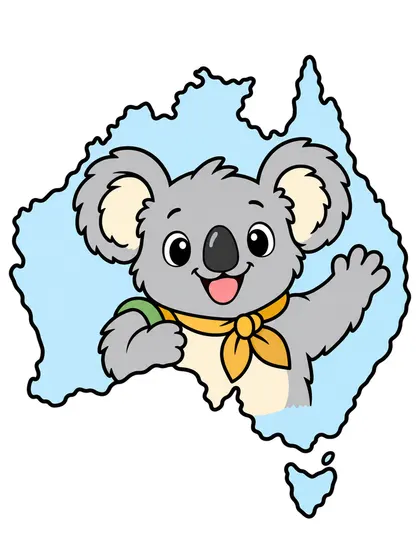
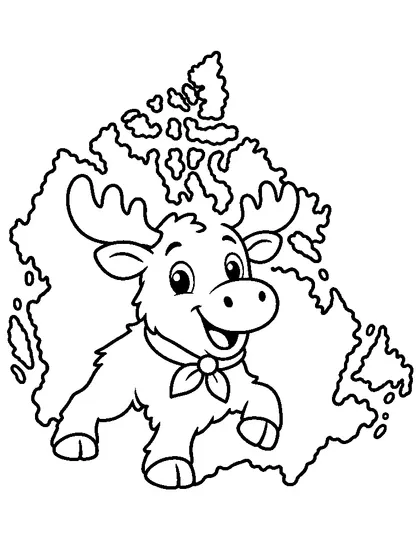
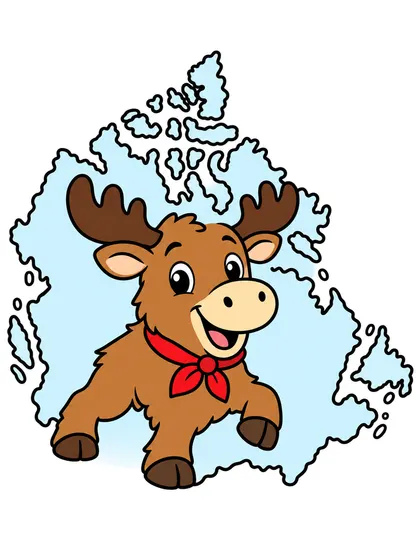
- Animal map pages: each contains an animal that makes you think of the country, such as a tiger for Korea, a koala for Australia and a moose for Canada. These give the first clue when calling.
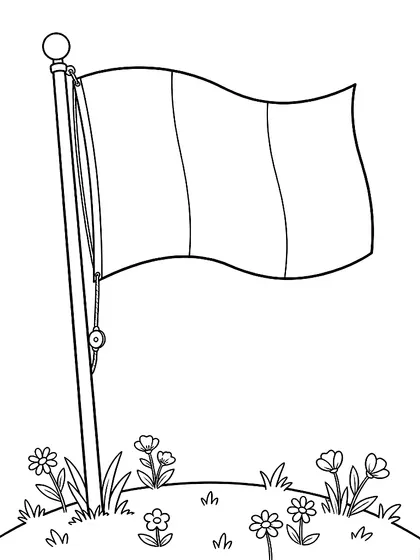
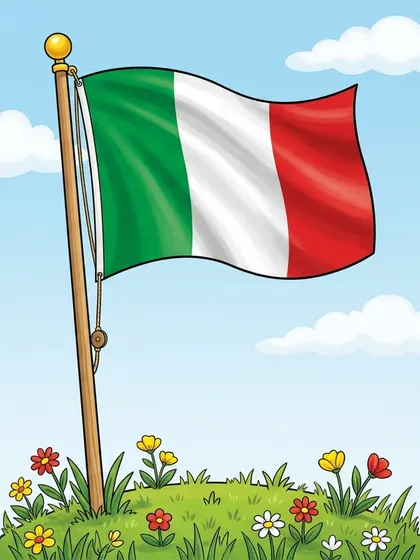
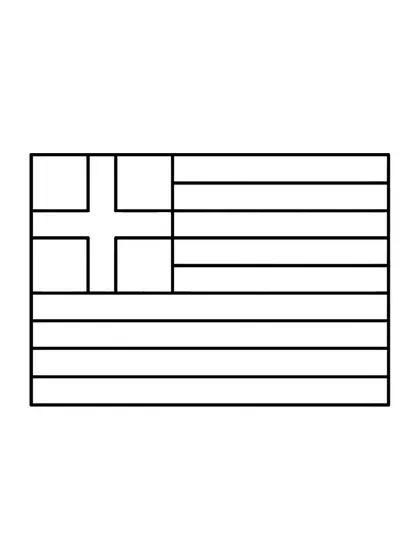
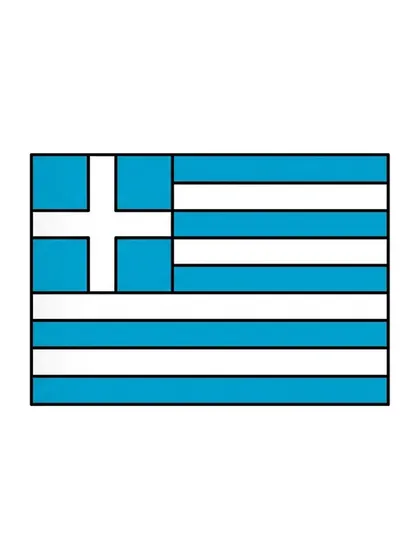
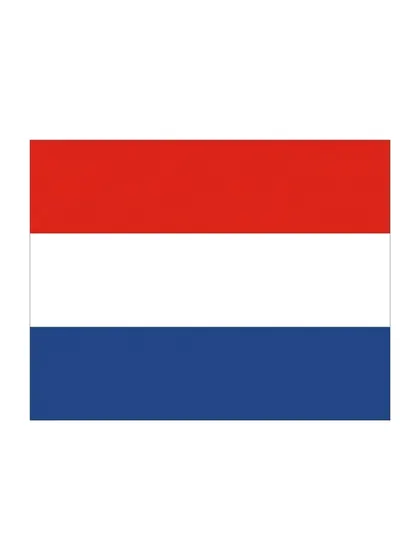
- World flag pages: color big flags such as Italy, Greece and the Netherlands and use them as call cards. You show them at the last step to confirm the answer.
Making the bingo card
Draw a 3 x 3 grid on A4 and photocopy it. Write twelve countries for this game on the board; each child chooses nine of them, one for each square. Because children choose different countries, hardly any two cards are the same.
How children fill the squares depends on age. Age 5: glue on a cut-out country shape or flag. Age 7: write the country name. Squares are small, so cut the pages with a little border left around the picture. Use blunt-tipped child scissors.
Calling a country: a three-step clue
- Step 1, animal clue: “This country’s animal explorer is a koala.” Hold up the animal map page and cover the country name with your hand.
- Step 2, location clue: name the continent or a neighbor. France shares land borders with Spain, Italy, Germany and Switzerland. The United States has Canada to the north and Mexico to the south. Brazil shares a border with Argentina. Japan is across the sea to the east of Korea. Switzerland has no coast. Australia is a big country in Oceania surrounded by sea.
- Step 3, flag clue: show the flag card and confirm the answer. Children find that country on their card and place a marker.
- Give one clue at a time and slowly, so children have time to search. Put called cards in a pile to one side and check them together when someone calls bingo.
A map location guessing game
Gather in front of the wall map or globe. Hold up one colored country page and ask, “Where in the world is this country?” and let teams guess. When they find it, they stick a small sticker on that country. Wrong guesses are fine; ask, “Which country is next to this one?” and look for the neighbors together.
A quiz where you cover the flag with a sticky note and show only the country shape is fun too. The shapes on the pages are drawn to fit the paper, so do not use them to compare the countries’ real sizes. Show real sizes in an atlas.
Adjusting for age
- Ages 3 to 4: play matching instead of bingo. Lay out six pairs of a country-shape page and the animal map page for the same country, and find the pairs.
- Age 5: play 3 x 3 bingo with pictures only. Cut the clues down to two steps, animal and flag.
- Age 7: expand to 4 x 4, write the country names themselves, and let children give the location clues and take turns calling.
Running the game and avoiding arguments
- When a row is complete across, down or diagonally, the child raises a hand and calls “Bingo!” Check it against the called cards together before accepting.
- Instead of a prize, the winner becomes the next caller.
- If winning and losing is a worry in your class, play cooperative bingo: make one big card and fill in the called countries together.
- Keep the called countries in a pile; being able to check right away prevents most arguments.
Common mistakes and cautions
- Do not introduce all twenty countries at once. Start with twelve and add more next time.
- An animal clue only brings the country to mind; it does not mean the animal lives only there. Tigers, for example, live in several countries.
- Check the pronunciation of country names beforehand, and follow the color reference for exact flag colors.
- Filling the squares takes time. For ages that cannot cut easily, cut the pieces out in advance.
Pages used in this article
FAQ
Which countries should I choose?
The flag map series and the animal map series share the same twenty countries: South Korea, the United States, the United Kingdom, France, Japan, Canada, Germany, Italy, Brazil, Australia, Spain, Switzerland, Mexico, Egypt, India, Argentina, Vietnam, Sweden, Greece and the Netherlands. Start with about twelve that the children already know.
Can children color on a computer?
Online coloring is only available on a PC screen with a mouse; phones and tablets are still in preparation. For class, downloading the PNG and printing it is the surest way.
How do the flag map pages differ from the world flag pages?
A flag map page shows a country shape with a small flag on it; a world flag page shows a big flag alone. The first suits the bingo squares and the second suits the call cards.
How many children can play?
From six up to about twenty. With a larger class, have each group make one card and play together so the calling pace stays manageable.