


1. Using tools with the hands
Holding a crayon or pencil and filling in areas practices the fingers and wrist. It is a common pre-writing activity in childcare and early education.
2. Staying with one thing
Spending time on one page is practice at sitting calmly with a task. Children vary a lot, so let them go as long as they like instead of setting a timer.
3. Choosing colors and learning their names
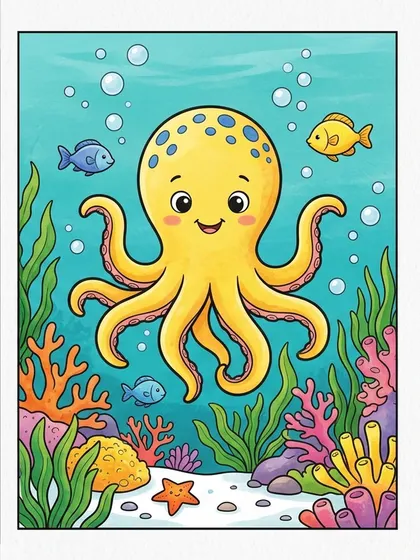
Questions such as “What color is this leaf?” build color vocabulary. With a color reference, children see typical colors and can also change them for the joy of choosing.
4. A way to start conversation
The animals and scenes are conversation starters: “Where does this animal live?” or “What color is your mood today?”
Ways to join in
- Let the child choose the colors and where to start.
- “I wonder why you chose this color” keeps talk going better than “well done”.
- Going outside the lines is not a mistake.
Note
If you worry about a child’s development or attention, do not judge from coloring alone; talk to a professional.
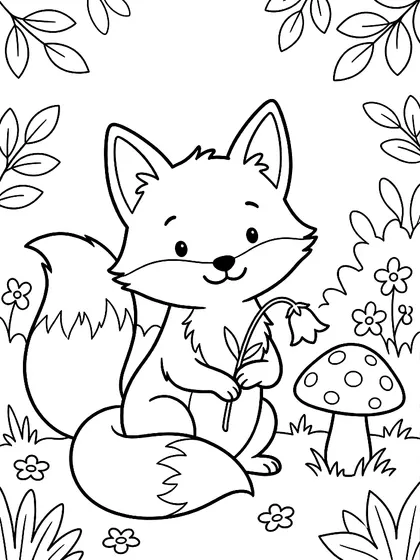
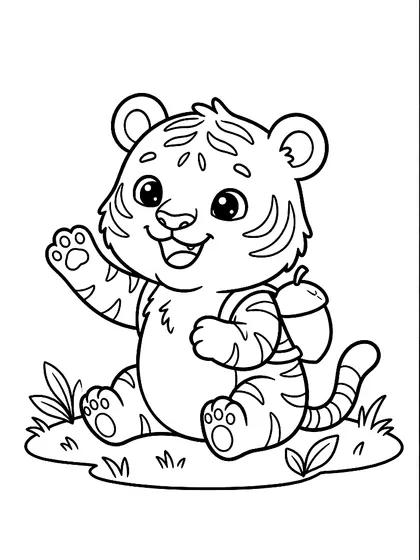
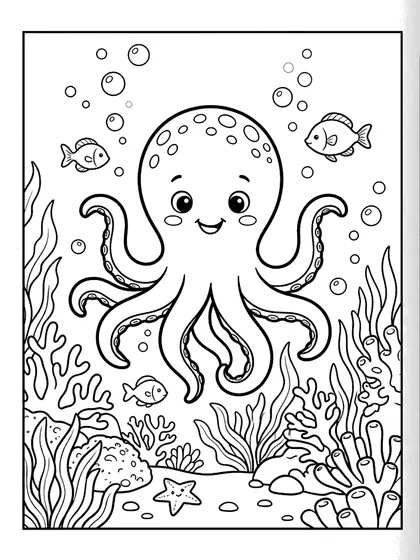
Pages used in this article

FAQ
How long should a child color?
There is no set time. Follow the child’s interest and stop when they tire.
Is digital coloring the same?
Online coloring is convenient but differs from holding a crayon. A mix of both works well.
Must they follow the color reference?
No. It is only a reference.