The five-day itinerary
- Day 1, getting ready: make passports, find your country and your classroom on a world map, and practice the boarding game.
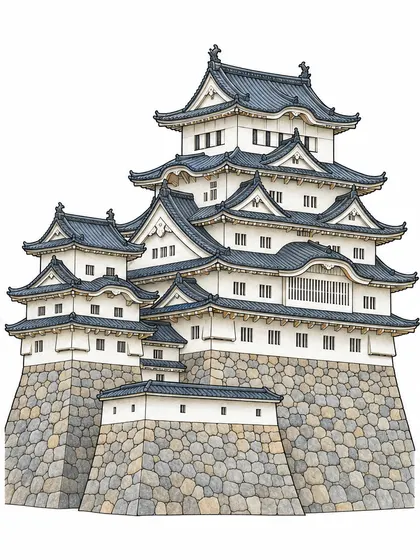
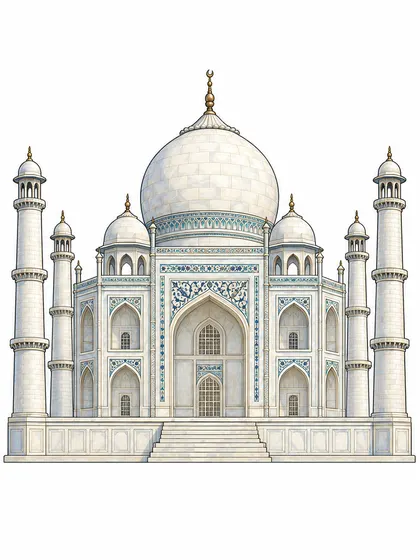
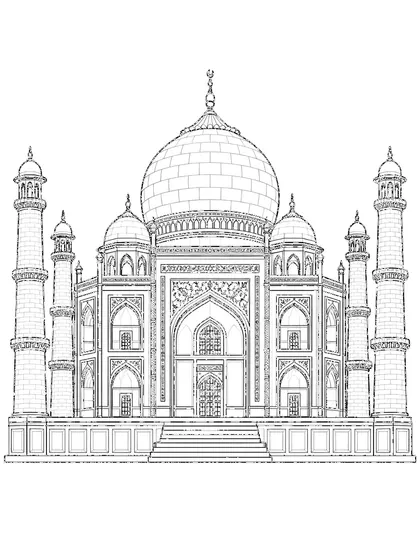
- Day 2, Asia: Himeji Castle in Japan and the Taj Mahal in India.
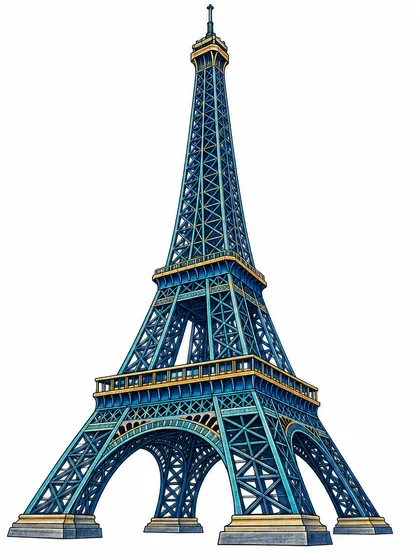
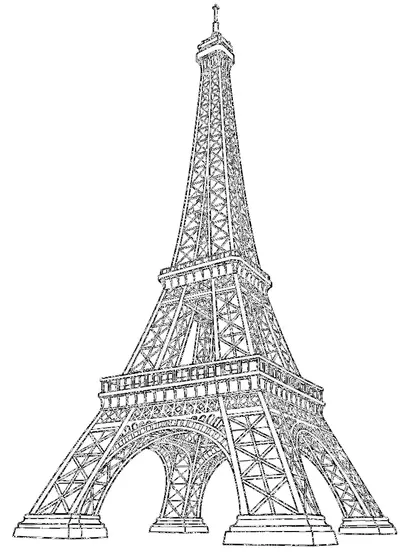
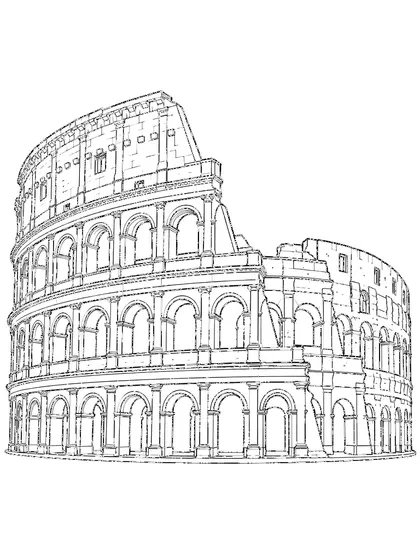
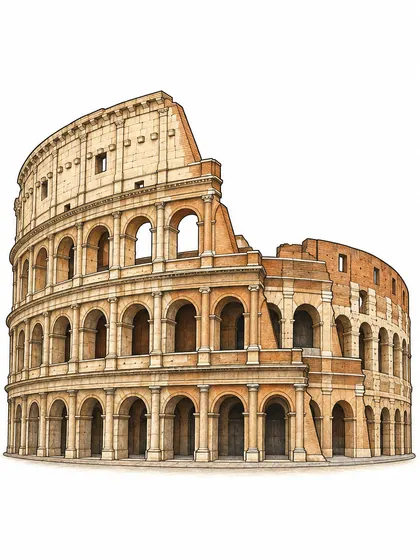
- Day 3, Europe: the Eiffel Tower in France and the Colosseum in Italy.
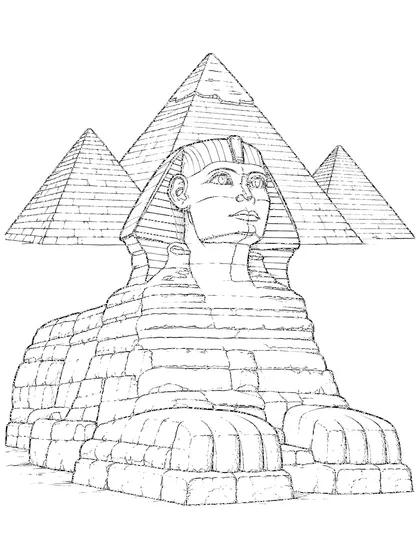
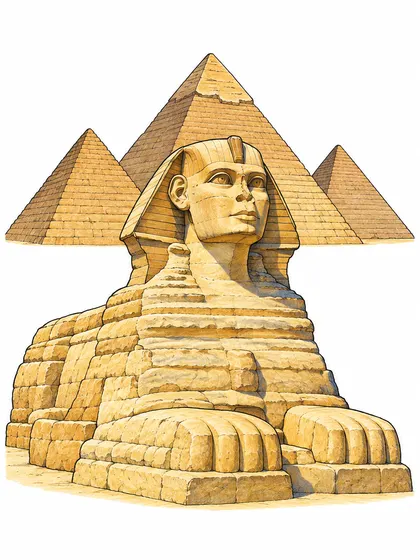
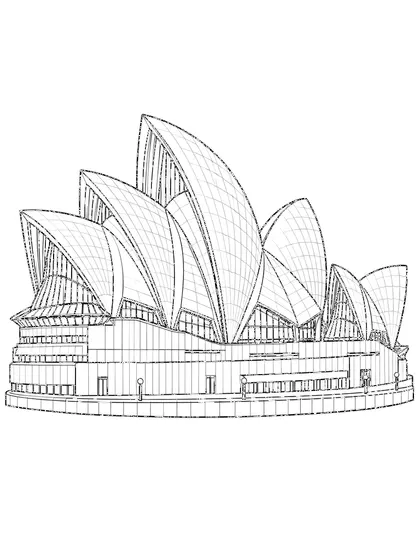
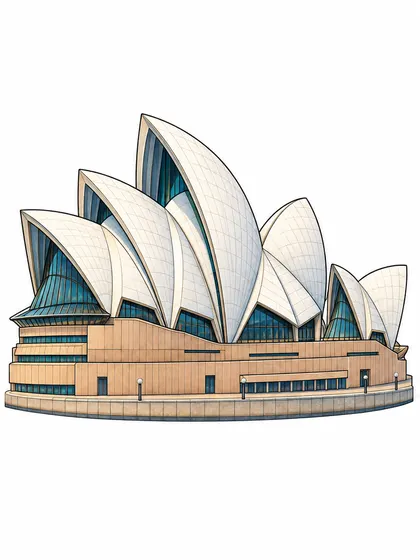
- Day 4, Africa and Oceania: the Giza pyramids and the Sphinx in Egypt, and the Sydney Opera House in Australia.
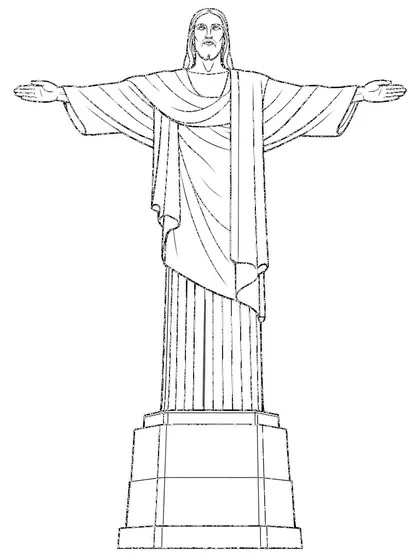
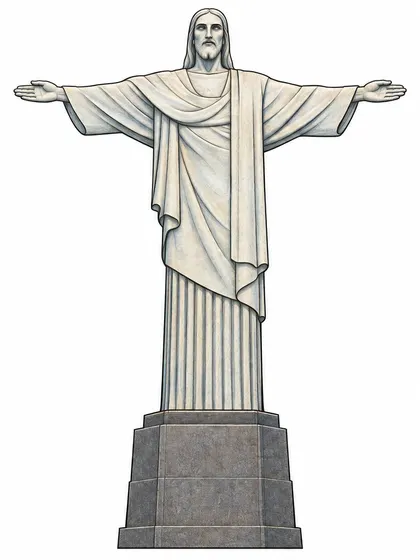
- Day 5, the Americas: choose two or three of the Statue of Liberty in the United States, Machu Picchu in Peru and Christ the Redeemer in Brazil, then hold a “welcome home” exhibition.
- A basic 40-minute day: boarding and arrival announcement 5 min, introducing the place 5 min, coloring 20 min, stamping the passport and pinning to the map 10 min.
Making passports and boarding passes
Fold two or three sheets of A4 in half for a cover and inner pages, and staple the middle yourself. On the cover children write “Our Class Passport” and their name. One inner page is one destination. At each arrival, the child gets a stamp or sticker and writes the country name; for younger children, you write it for them. Do not write any personal information other than a name.
For the boarding pass, write on a small slip the child’s name, “Departure: our classroom” and the country of arrival. Each day, you or a child at the door check the boarding passes and stamp them.
The boarding game: a chair airplane
Set chairs in two rows as airplane seats. Children show their boarding pass, sit down and pretend to fasten their seat belts. You announce like a pilot: “Passengers, we will soon arrive in France. Please sit down and fasten your seat belts.” When you “land,” everyone shouts “We’re here!” and gets off in a line.
Keep it to about three minutes and go straight on to coloring. If you add an in-flight snack game, check allergies first and use paper pretend snacks rather than real food.
One sentence about each place
- Himeji Castle, Japan: an old castle in Japan. Have children look at the shape of the roof and walls.
- Taj Mahal, India: a white marble building in Agra, India. A king built it long ago in honor of his wife.
- Eiffel Tower, France: an iron tower in Paris, the capital of France.
- Colosseum, Italy: a very old circular arena in Rome, the capital of Italy.
- Giza pyramids and Sphinx, Egypt: very old structures in Egypt. Ask children to find the triangle shapes.
- Sydney Opera House, Australia: a performance hall on the waterfront in Sydney, Australia. People often say its roofs look like sails or shells.
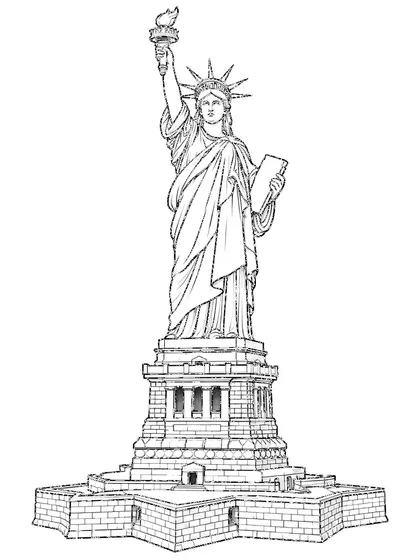
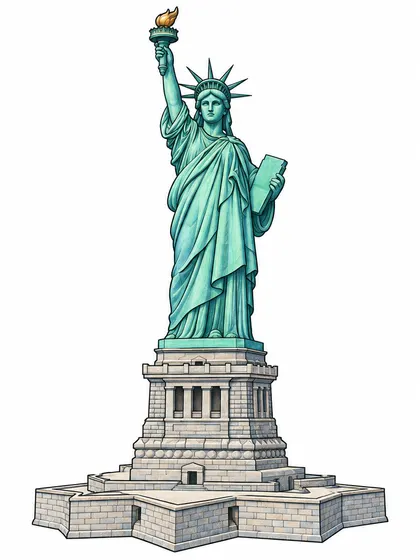
- Statue of Liberty, United States: a statue standing on an island in the sea off New York.
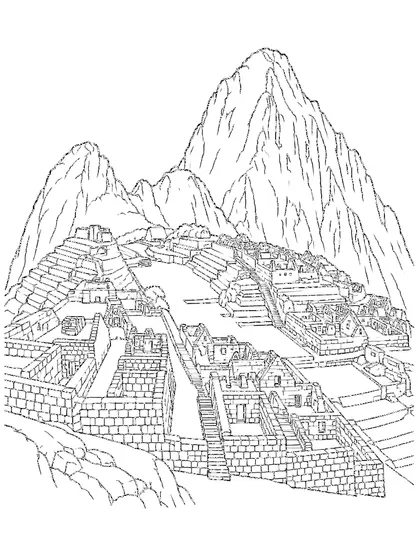
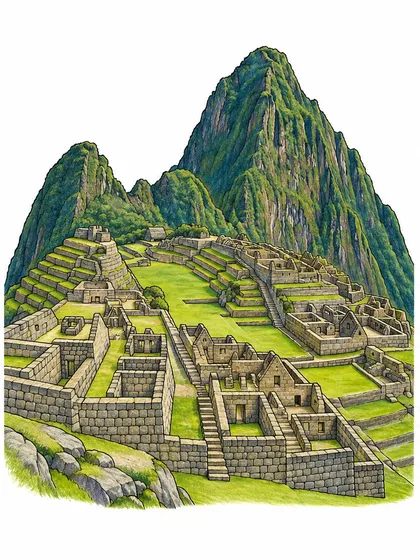
- Machu Picchu, Peru: the remains of an old city high in the mountains of Peru in South America.
- Christ the Redeemer, Brazil: a statue with outstretched arms on a mountaintop in the city of Rio de Janeiro, Brazil.
Recording the trip on a world map
Hang a world map on the wall, or sketch the outlines of the continents in advance on a large sheet. Sources divide the continents in slightly different ways, so in this lesson we use five groups: Asia, Europe, Africa, Oceania and the Americas.
Each day, shrink the colored pages to postcard size, pin them near the right country, and add a name slip. Check the location in an atlas before gluing. A full A4 sheet would hide the map, so stick the pages around the edge and connect them to the right place with a colored sticker line or masking tape. Do not use pins or tacks.
Writing souvenir postcards
Use the back of the colored landmark as a postcard. On one side write “Hello from ___!” and on the other the name of the person it is for, such as a family member or classmate. For younger children, write one sentence for them and let them stamp the date themselves. On day five, gather the postcards in the hallway for a “welcome home” exhibition and let children share their trips.
Adjusting for age
- Age 4: one page a day. Mix in countries that have bold-line easy pages, such as the CN Tower in Canada, the Matterhorn in Switzerland or the Kinderdijk windmills in the Netherlands, and let the passport just be about stamps.
- Age 5: one or two pages a day and one sentence on the postcard, with your help taking dictation.
- Age 7: color the regular pages and write the country and city names themselves. Add a quiz on finding places on the map, or a trip diary.
Common mistakes and cautions
- Three or more places a day makes the coloring rushed. Two a day is about right.
- The landmark pages are simplified for coloring, so details can differ from the real buildings. Show photographs if children are curious.
- Say “different from us” instead of “weird.” Do not mimic or mock people from other countries.
- Do not run in the chair airplane, and leave wide gaps between chairs.
- Only the teacher uses the stapler for the passports.
A one-day, 60-minute version
If five days is too long, pick three places and shrink it to an hour: boarding game 5 min, each group colors one place 25 min, groups introduce their place and pin it on the map 20 min, and write postcards 10 min. If each group takes a different country, the class visits all three in a single hour.
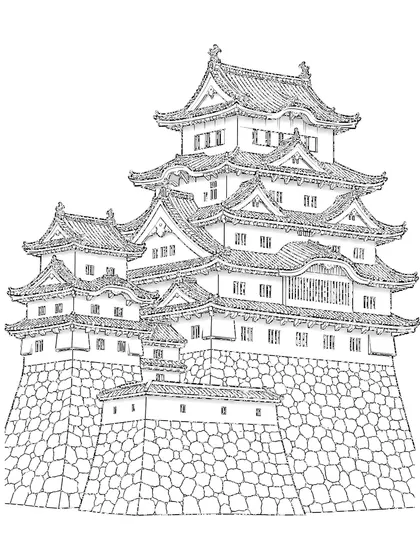
Pages used in this article
FAQ
How many landmark pages are there?
There are landmarks from forty countries, plus twenty easy pages with bold lines and a child character from each country. Every page is a color reference plus black-and-white line art.
How do I prepare a world map?
A wall map or a globe is ideal. If you have neither, copy the world map page from an atlas and paste it onto a big sheet. Check each location in an atlas yourself.
How can children learn names and flags together?
For countries in the world flag series, children can color the flag and glue it onto the passport page. Japan, India, France, Italy, Egypt, Australia, the United States and Brazil all have flag pages.
What if I cannot do all five days?
Stretch each continent group over two days, or use the 60-minute version. As long as children keep their passports, you can continue across several days.