
What is the food balance bicycle?
The food balance bicycle is a picture made by the Korean Nutrition Society to show, simply, which kinds of food make up a varied diet. It sorts food into five groups: grains; meat, fish, eggs and beans; vegetables; fruits; and milk and dairy. Water is drawn alongside them. The bicycle shape is explained as a reminder that staying active matters along with eating a variety of foods. Details of the picture can be revised, so check the Korean Nutrition Society’s materials for the current version before the lesson.
This lesson does not deal with how much of each food to eat. It has two goals: that children know there are five food groups plus water, and that they can say which group a food in front of them belongs to.
Materials, and how to make the bicycle poster
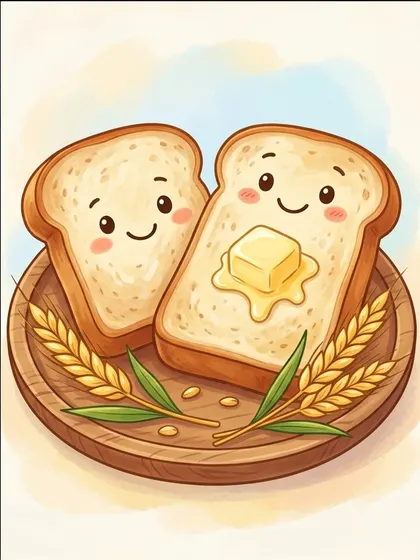
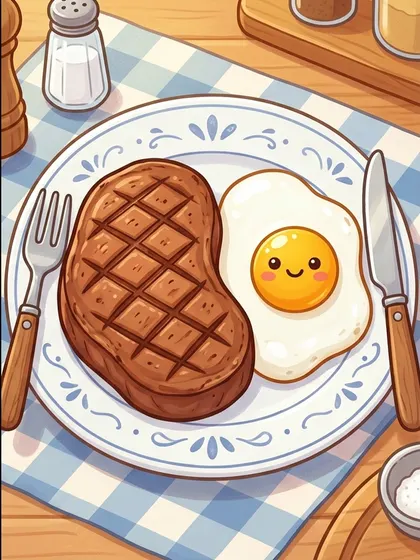
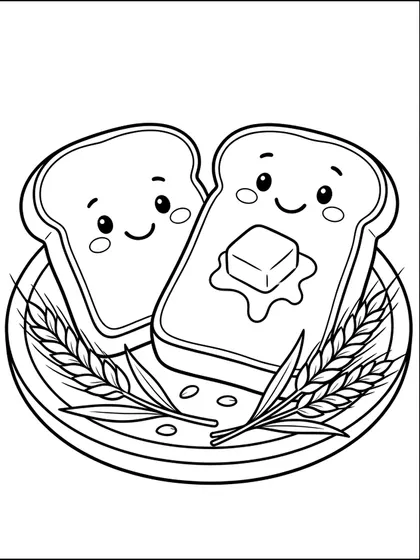
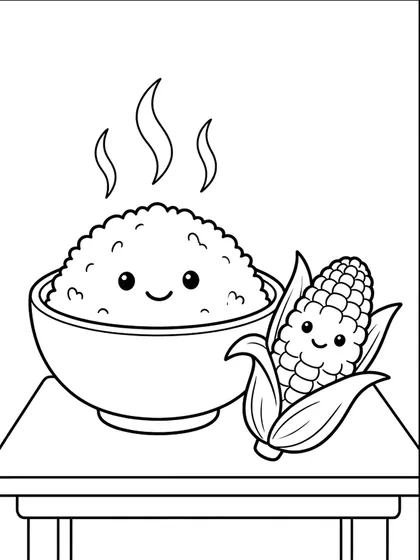
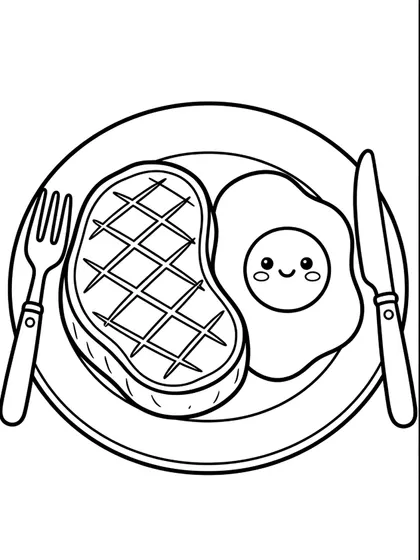
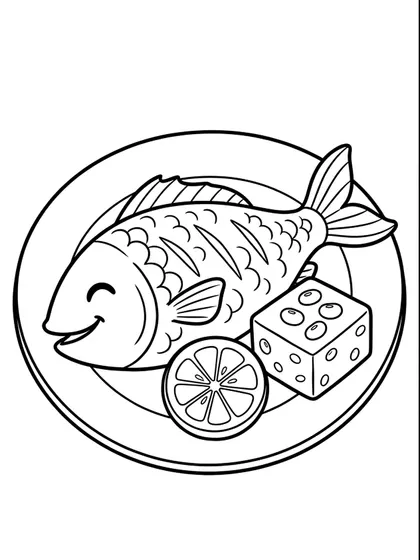
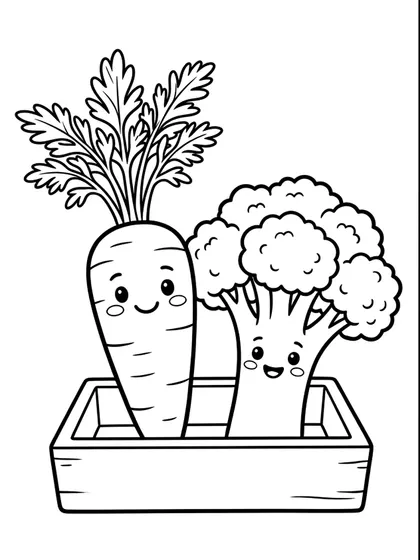
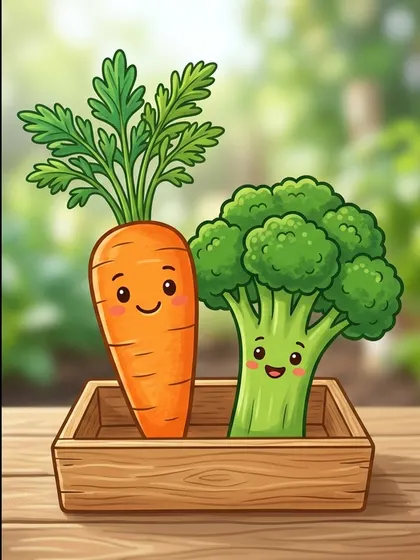
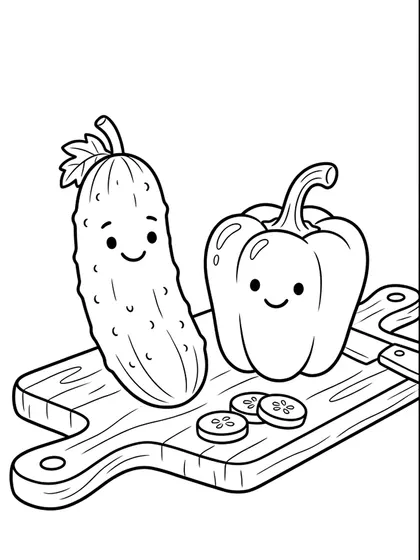
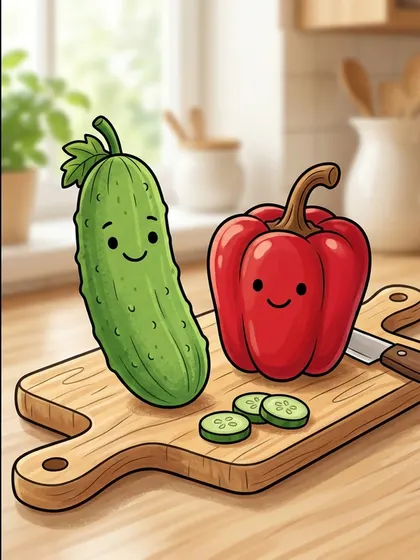
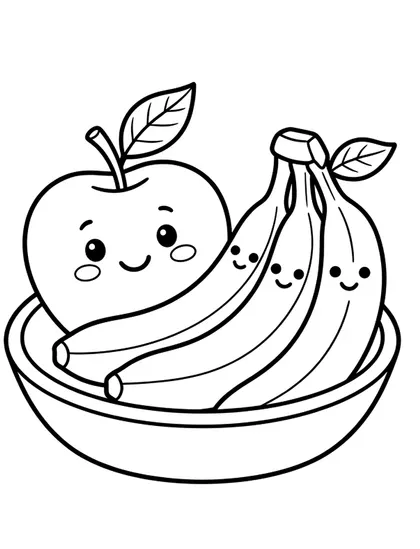
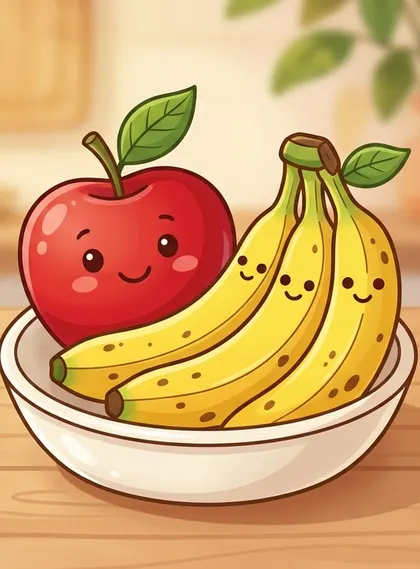
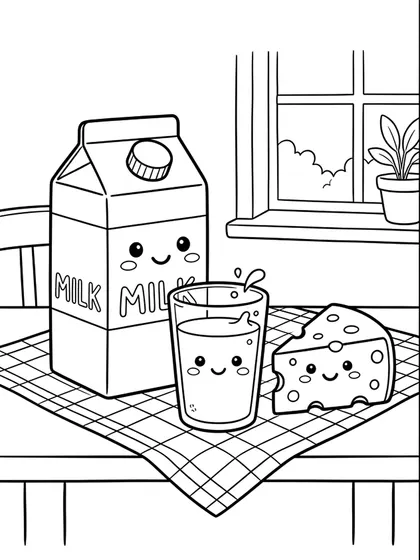
- Print the nine food pages (bread and butter, rice and corn, steak and fried egg, grilled fish and tofu, carrots and broccoli, cucumber and red pepper, apple and bananas, milk and cheese, the balanced meal plate), enough for every group. Two or three pages per group is plenty.
- One large sheet of paper (A3 or bigger, or four A4 sheets taped together), glue or tape, markers and safety scissors.
- The teacher makes the poster beforehand. Draw two big circles as wheels, divide the back wheel into five sections and write a food group in each, then write “Water” in the front wheel. For children who cannot read yet, stick one sample page in each section first.
- Make one extra small paper labeled “To find out later” and keep it beside the poster. It is the place for foods that are hard to classify.
A 45-minute running order
- Warm-up, 5 minutes: show the poster and ask, “What does a bicycle need to keep going?” When children say wheels, pedals or energy, continue: “Our bodies need many kinds of food to keep going. This picture sorts them into five groups.”
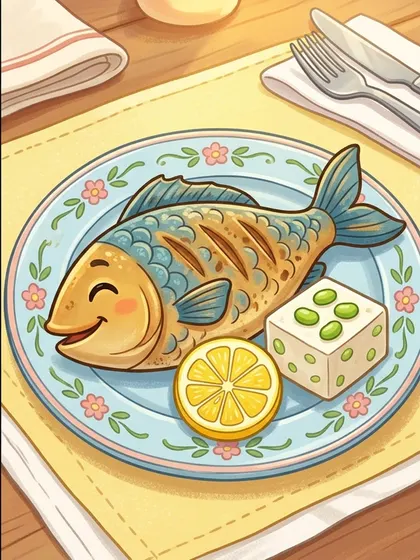
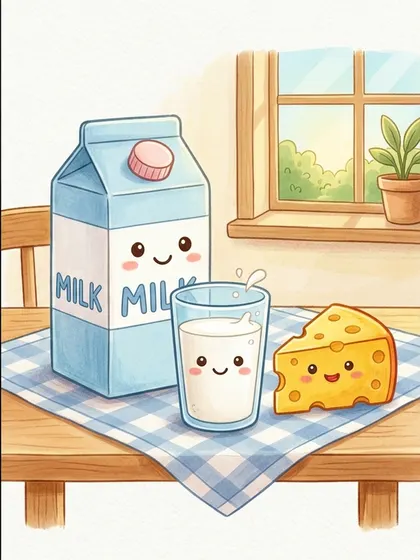
- Coloring, 15 minutes: each group takes two or three pages. They follow the color reference, though changing colors is fine.
- Sorting game, 15 minutes: cut out the colored pages and stick them in the right sections. Pick one of the games below.
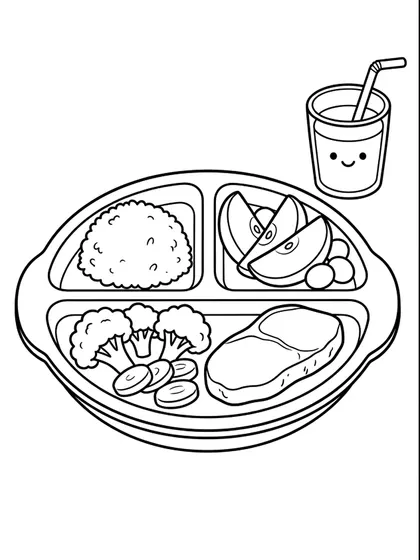
- Wrap-up, 10 minutes: color the balanced meal plate and mark each food on it with a colored dot for its group. Finish by walking around the poster and reading the foods in each section together.
Where does each pictured food go?
- Grains: bread, rice
- Meat, fish, eggs and beans: steak, fried egg, grilled fish, tofu
- Vegetables: carrot, broccoli, cucumber, red pepper
- Fruits: apple, bananas. If you also use the grapes and watermelon page, it goes here.
- Milk and dairy: milk, cheese
- Water: there is no page for it, so children draw a cup or a drop themselves and stick it on the front wheel.
- Foods such as the butter on the bread page or the corn on the rice page, which different sources classify differently or treat separately, are left out of this lesson. Put them under “To find out later.”
Three sorting games
- Food group mail carrier: pretend each colored page is a letter. A child who is the carrier announces, “This letter goes to Vegetable Town,” and sticks it in the right section. If the carrier picks the wrong one, the others say, “Shall we go back to the post office?” and fix it together.
- Spot the mistake: the teacher sticks the apple in the grains section on purpose and asks, “What looks wrong here?” When children find it, cheer and move it to its place.
- Name-it relay: the teacher points to a section and children take turns naming one food from that group, including foods that are not on the pages. For example, spinach or kimchi for vegetables, yogurt for milk and dairy, chicken or beans for meat, fish, eggs and beans, and mandarins for fruit.
Closing with the meal plate page
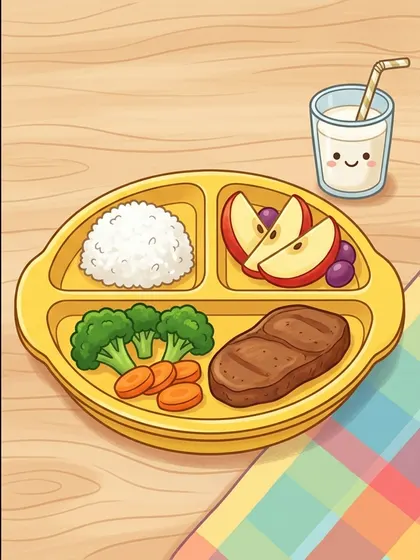
The balanced meal plate page holds foods from several groups on one tray, so it makes a good finish. Before coloring, ask, “Which groups can we find on this tray?” Then put a dot in each group’s color on the foods you find. Counting how many dot colors appear shows children, with their own eyes, that one meal can bring several groups together.
For age 7 and up, read today’s school lunch menu together and look for which groups are on the tray and which are missing. Do not call a menu wrong because a group is missing; explain that other meals during the day can include it.
Adjusting for age
- Age 3: cut the sections down to three, such as vegetables, fruit and milk, and let children sort by color and shape. The teacher does the cutting while children color and stick.
- Age 5: use all five sections. Even children who cannot read can match by looking at the sample page in each section.
- Age 7 and up: extend it to planning a day of meals. They draw three meals, add group dots and look for missing groups. The water wheel can lead to writing down the times of day they drink water.
Common mistakes and safety
- Do not label foods “good” or “bad.” This lesson sorts foods into groups; it does not rate them.
- Avoid turning it into a memory quiz. If only the children who know the answer speak, the rest just watch. Let everyone take turns sticking and naming.
- Mixed dishes such as gimbap or fried rice do not fit in one section. Say the ingredients one by one, such as “rice is grains, egg goes with eggs,” and sort the parts.
- Allergies: the lesson uses only pages, with no eating. If you show real food, check allergies with the family and do not serve it as a taste test.
- Scissors and glue: for age 3, the teacher cuts; from age 5, children use safety scissors while seated.
If you run short or have time left
If time is short, do the coloring before the lesson and spend the 15 minutes on sorting only. The meal plate can wait for the next session. If you have time left, play a guessing game: the teacher picks a page and gives clues, such as “This food is orange and goes crunch. Which section is it?” Hang the finished poster on the classroom wall, and it can be used again at lunch.
Pages used in this article
FAQ
Where can I see the official food balance bicycle?
In the materials of the Korean Nutrition Society. The pages here are coloring pages for lessons and do not replace the official material. Compare the group names with it once before your lesson.
Is there a page for water?
No. The food series has no water page. Children can draw a cup or drops and stick them where the front wheel is, and drawing it is part of the fun.
What age is this for?
With the sections cut down to three, even age 3 can join by sorting by color. Sorting into all five sections suits age 5 and up, and planning meals suits age 7 and up.
How can I do it at home?
Put a small bicycle poster on the fridge or beside the table, and after shopping, talk about which section each food you bought belongs to. A few colored pages are enough, and there is no need to talk about eating more or less.