The goal is not to get them to eat
When people talk about picky eating, they often picture a child being coaxed to take one more bite at the table. The activity in this guide works the other way around. It creates time away from the table, with no pressure to eat, when a child can simply meet a food. While coloring and chatting, nothing has to go into the mouth, so a child can take in the shape and the name of an unfamiliar food much more comfortably.
Do not judge the session by whether the child ate the food afterwards. Saying the word “broccoli,” choosing a green crayon or sniffing a piece is plenty for one day. Eating is something that may follow when a child is ready; it is not the homework of this activity.
What you need, and an allergy check first
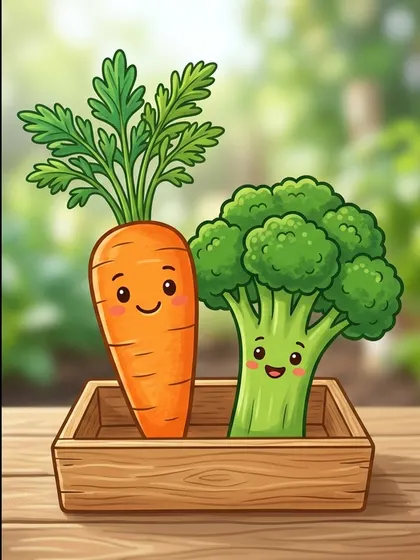
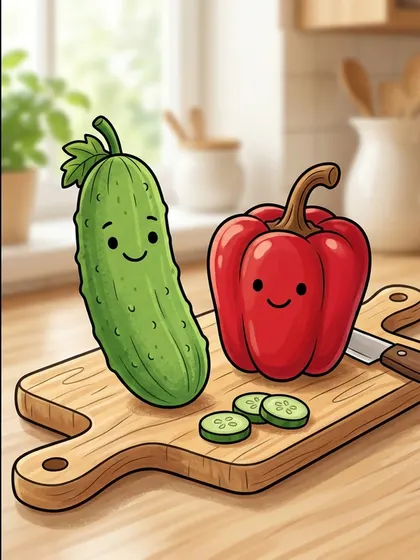
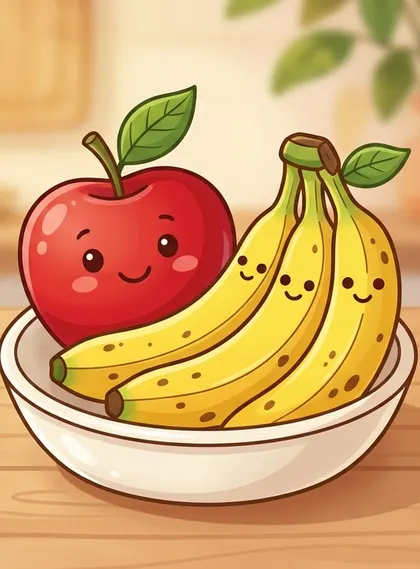
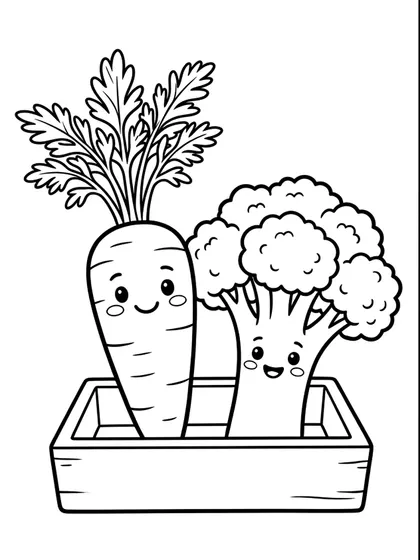
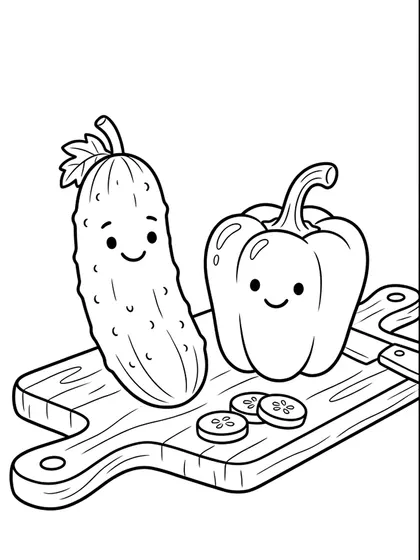
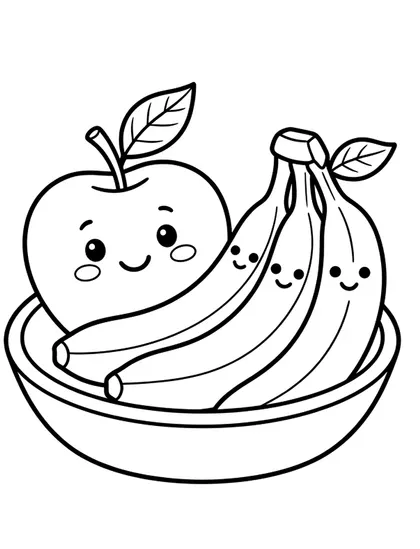
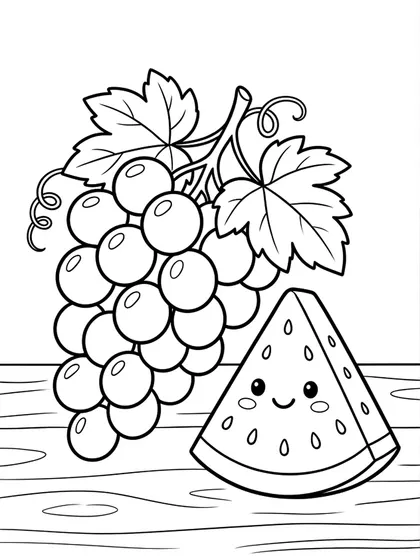
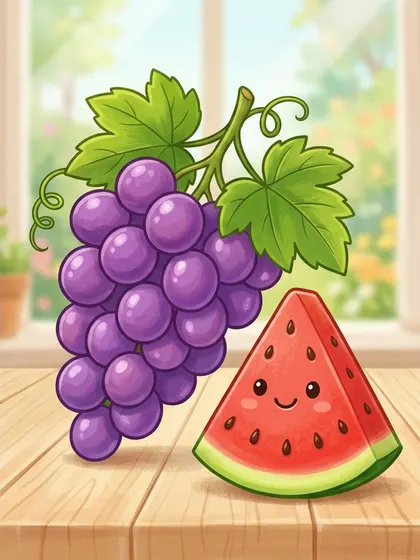
- Two or three food pages (for example carrots and broccoli, cucumber and red pepper, apple and bananas) plus pencils or crayons. Print the color reference too and keep it beside the child.
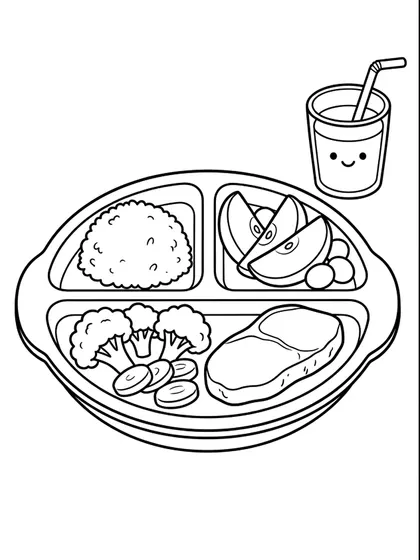
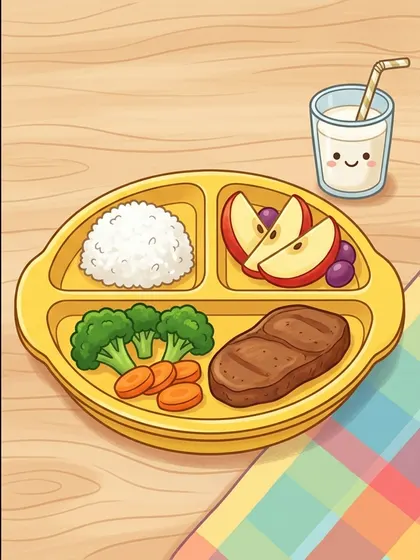
- One balanced meal plate page for the closing step.
- Optional: one or two washed vegetables or fruits to look at and touch. They are for handling, not for eating on demand.
- Allergy check: before you start, look again at the allergy information the family gave you. Foods that commonly cause allergies, such as milk, eggs, peanuts and tree nuts, fish and soy, are safer left out of the room as real food. If a child is allergic to something pictured, hand that child a different page.
- At home, think first about anyone in the family with an allergy, and check before you bring out the real version of any food.
A 40-minute running order
- Warm-up, 5 minutes: show one page and ask, “Who knows what this food is called?” Tell the name of any unfamiliar food and say it together.
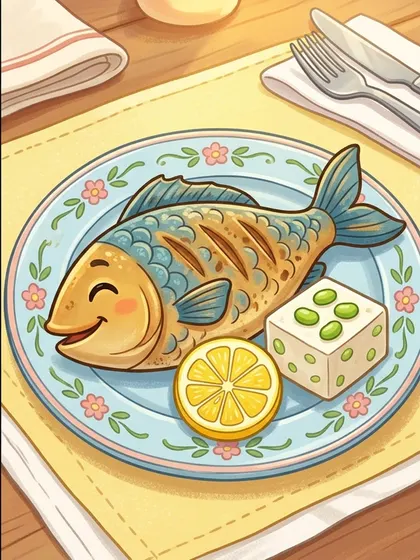
- Coloring, 20 minutes: show the color reference but say first, “It is fine if your colors are different from real life.” While children color, offer one or two of the conversation starters below, no more.
- Talking, 10 minutes: holding the finished page, each child says one thing about the color, the shape, the sound it might make, or how it might feel. A child who does not want to talk can just point.
- Wrap-up, 5 minutes: on the meal plate page, circle one food “you would like to see again.” The trick is to ask about seeing, not about wanting to eat.
Page-by-page conversation and play
- Carrots and broccoli: let the child color the broccoli like a tiny tree and ask, “Who lives in this green forest?” The child ends up looking at broccoli for a long while without any talk of eating. Let the child choose the orange crayon for the carrot.
- Cucumber and red pepper: play with color names. Color the cucumber in a light green and a dark green, and tell the child the pepper may be red, yellow or orange.
- Apple and bananas, grapes and watermelon: if a child already likes a fruit, start with that page so the session begins feeling safe. Coloring the favorite first and the unfamiliar food later lowers the pressure.
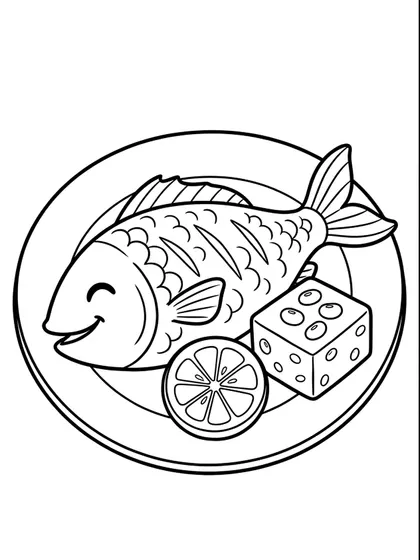
- Grilled fish and tofu: imagine together whether tofu is soft or firm and what sound the fish would make. Putting texture into words can make an unfamiliar food feel a little less strange.
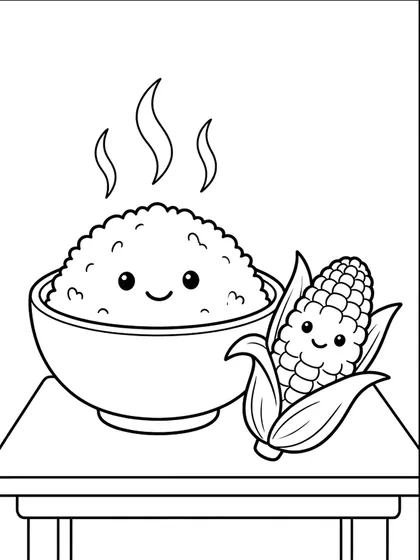
- Rice bowl and corn: color the kernels one by one in yellow and count them as you go.
Phrases to use and phrases to avoid
- Try: “Today you only have to color.” “Which crayon suits this one?” “Shall we just smell it? You can stop whenever you like.” “You don’t have to eat it now. We will meet it again another day.”
- Avoid: “Just one bite.” “You can’t play until you eat that.” “Look, your friend eats it.” “Eat your vegetables and you get a cookie.” Threats, comparisons and rewards can turn a food into a chore to get through.
- Praise the behavior, not the amount eaten. Say what the child did: “You said ‘broccoli’ in a big voice.”
A staircase toward a food, at the child’s pace
Getting to know a new food usually happens one step at a time: seeing it on a page, saying its name, seeing the real thing, touching it, smelling it, and, only if the child wants to, touching it to the lips or tasting it. Moving up one step in a session is plenty, and some steps may take weeks. Slipping back a step is not failure.
Reserve the tasting step for foods that have passed the allergy check, and only when the child chooses it. If you are worried about how much a child eats or how a child is growing, do not add more of this activity. Talk it over with the family and a professional.
Adjusting for age
- Age 3: one page, and keep the whole session under 20 minutes. Focus on coloring large areas and naming foods and colors. Ask questions that a single word can answer, such as “What color is this?”
- Age 5: use two or three pages and let children color the foods they like and the ones they are curious about separately. On the meal plate page, point to and name the foods they met today.
- Age 7 and up: have children group the pictured foods as grains, vegetables and fruits, and make a one-week record sheet, in pictures or words, of new foods they met.
Common mistakes and safety
- Moving straight from coloring to “Now shall we try it?” Once the activity becomes a way to get food into a child, the child will be wary of it next time.
- Bringing out several unfamiliar foods at once. Introduce one at a time.
- Persuading a child who dislikes coloring a page. Put that page aside and offer another. Saying the name counts as taking part.
- Leaving real food out. Adults clear it away when the session ends, and everyone washes their hands before touching it.
- Giving young children whole grapes or cherry tomatoes. They can block the throat, so an adult should cut them small if tasting happens.
If you run short or have time left
If time is short, finish the coloring in the next session and keep the talking to one page. If you have time left, tape the finished pages on the wall and play looking games such as “find something red” or “find a food that might go crunch.” At home, the activity can carry over to the grocery store: look for the vegetables from the pages together. Let the child choose what goes in the basket, and do not ask the child to eat it.
Pages used in this article

FAQ
Will coloring alone fix picky eating?
No one can promise that. This is a low-pressure way to give children more chances to meet foods, and every child moves at a different speed. Aim for pleasant meetings with food rather than for a particular change.
What about a child with a food allergy?
If a pictured food is one the child is allergic to, skip that page and use another. Bring out real food only when you have confirmed it is safe, and if you are not sure, stay with the pages. Always check allergy information directly with the family.
What if a child says “Yuck, that looks weird” while coloring?
Accept the feeling as it is. Ask, “You think it looks strange. Which part?” and do not force the child to keep coloring. Describing what puts them off is already a way of observing the food.
How often should we do this at home?
Once or twice a week for 15 to 20 minutes is easy to keep up. Avoid the time right before a meal or when the child is hungry, and choose a play time unconnected to eating.
Can we bring out the real food too?
Once allergies are ruled out, showing and touching a washed vegetable or fruit is a good next step. Do not urge the child to eat it. Stopping at touching and smelling is enough.