The 30-minute plan and what to prepare
On a rainy day children are stuck inside with energy to spare, so it works to start with the body, use the hands in the middle and finish with the body again. You need one copy of the duckling in the puddle page per child, colored pencils, five puddle shapes cut from blue paper and masking tape. The paper puddles take about five minutes to cut the day before.
- 0 to 4 minutes: rain sound band
- 4 to 9 minutes: talk about the page
- 9 to 23 minutes: coloring
- 23 to 28 minutes: puddle jumping
- 28 to 30 minutes: tidy up
0 to 4 minutes: the rain sound band
Children sit or stand in a circle and copy the sounds you make. Step one: tap one finger on your palm for a drizzle. Step two: tap all the fingers for heavier rain. Step three: clap for a shower. Step four: pat your knees and stamp your feet for a downpour. Then go back down one step at a time, and at the end rub your palms together, quieter and quieter, and say, “The rain has stopped.”
Because the sound fades away, it leads straight into quiet coloring. Keep your words short: “Now the rain is getting heavier.” “Now it’s getting lighter.”
4 to 9 minutes: talk about the page
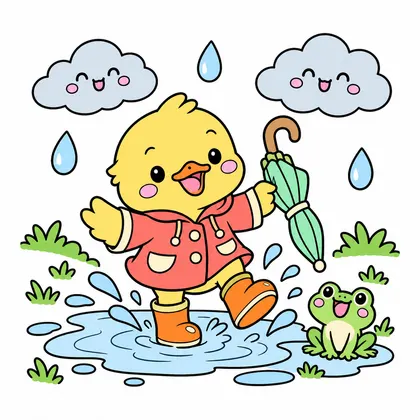
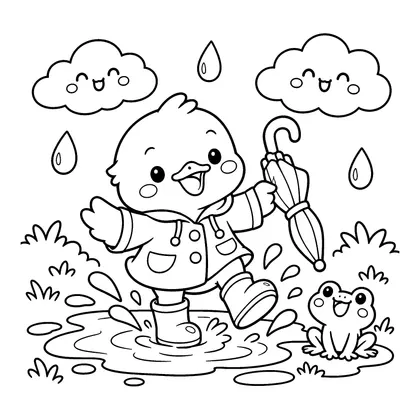
On the page, the duckling wears a raincoat and rain boots and holds a folded umbrella while jumping in a puddle. There is a frog beside it and a smiling cloud above. Ask one question at a time. “The duckling is not using the umbrella. Why do you think that is?” “What sound would you hear if you stepped in the puddle?” “How does the frog feel right now?” There are no wrong answers, so let only two or three children reply to keep it moving.
Bringing up a color question makes coloring easier: “What color is a rain cloud? This one is smiling. Could we color it a different color?”
9 to 23 minutes: coloring in 14 minutes
Fourteen minutes is short, so give an order. Color the raincoat, boots and umbrella first, then the puddle and cloud, and finally the frog and grass. Save the little raindrops and blades of grass for children who have time left. Halfway through, call out, “We’re halfway. Have you colored the cloud yet?”
For a child who is not done, say, “You got this far today. We’ll finish the rest next time,” and have the child write a name on it. Not pressuring everyone to finish a whole page is the secret of this program.
23 to 28 minutes: puddle jumping
Spread the five paper puddles on the floor with different gaps between them and tape them down firmly. Children line up, jump over one puddle at a time with both feet together, and say “Splash!” when they land. Tape all four corners so the paper does not slide and cause a fall. Children in socks should wear shoes or use a mat.
As you widen the gaps, children start saying, “That one is too far.” When that happens, let them cross in two jumps.
28 to 30 minutes: tidy up, and what if time is left
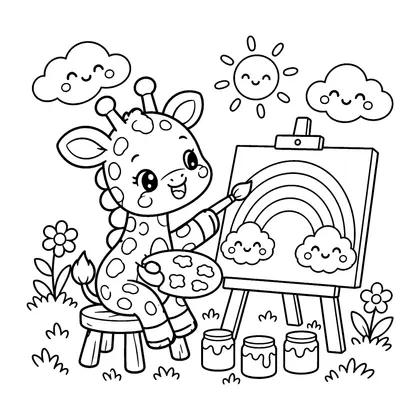
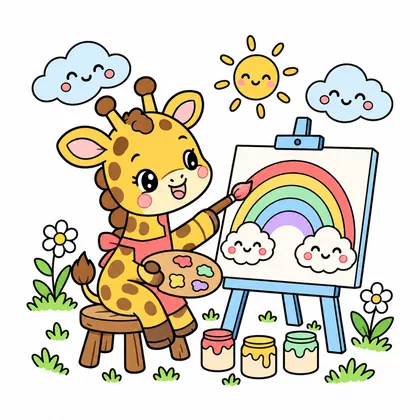
Put away the pencils and write names on the back of the pages. Hanging finished pages on a string with clothespins makes a “rainy day clothesline,” which children enjoy. If there is time left, show the giraffe painting a rainbow and ask, “What do we see when the rain stops?” A rainbow is known to have colors in this order from the outside: red, orange, yellow, green, blue, indigo and violet. Let children compare that with the rainbow on the page.
For large groups or small rooms: three stations
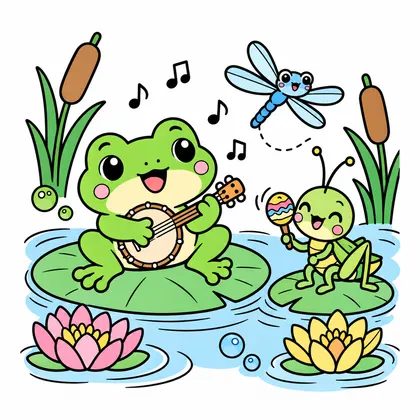
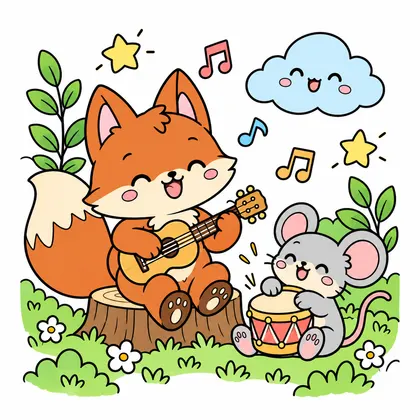
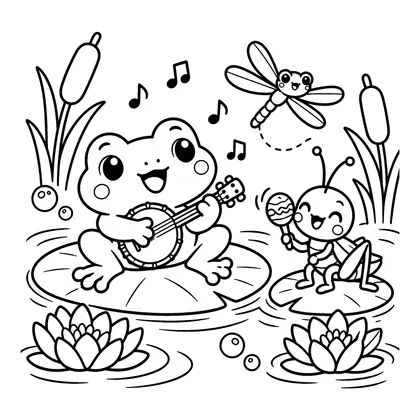
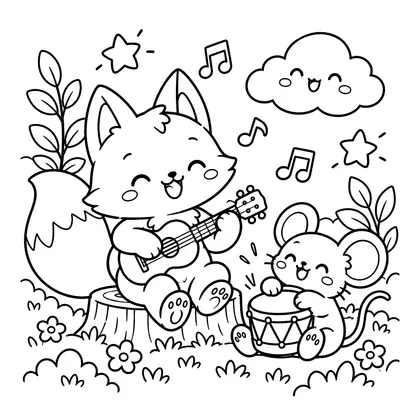
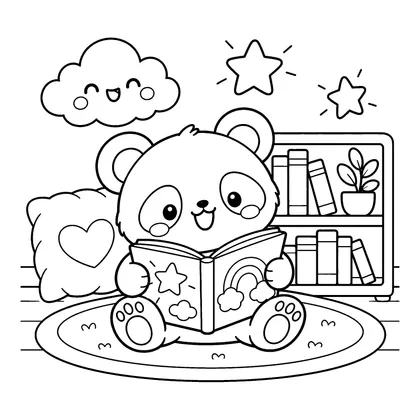
If you have more than ten children or no room for movement, rotate through three stations for ten minutes each. Put the duckling page at the coloring station, the fox and mouse band or frog pond concert page at the music station, and the panda in the library page at the story station. At the music station, make rain instruments from empty plastic tubs and wooden sticks, and talk about what sounds the instruments on the page might make.
If you make an instrument with grains inside, seal the lid completely with tape, and do not use it with children under three, who may put things in their mouths. In this format it helps to have one teacher or assistant at each station.
Adjusting for age
- Age 3: do only steps one to three of the rain band and color only the big areas. Use puddles with small gaps and cross one puddle per step.
- Age 5: follow the plan. Place puddles with varied gaps and let children judge whether they can make the jump.
- Age 7: take turns as the conductor of the rain band. When coloring is done, draw a speech bubble next to the duckling and write what it says.
Rainy day cautions
- Wet shoes and dripping umbrellas make the entrance and hallway slippery. Stand umbrellas in one place and wipe the floor before the activity.
- Stomping in the rain band can be loud for the floor below. If necessary, stop step four at the knee patting.
- Do not rush children to keep to the timetable. If coloring runs long, shorten puddle jumping; if the children are restless, cut coloring to ten minutes.
Pages used in this article

FAQ
How do I stretch this if I have more than 30 minutes?
Extend coloring from 14 to 25 minutes and add a second page, the giraffe rainbow, at the end for a 45-minute session. You could also play the rain band a second time.
Can I do this when it is not raining?
Yes. The rain band and puddle jumping work any day as a way to warm up and then settle down. Just change the talk about the page to suit the weather.
What can I use instead of paper puddles?
Draw circles on the floor with masking tape or stick on blue paper. Folded newspaper works too, but it slides easily, so tape it down.
Can parents use this at home with one child?
Yes. Play the rain band together, color the page, and then jump over puddles in the living room. You do not need the station format, which takes more than one adult.