The 60-minute plan and what to prepare
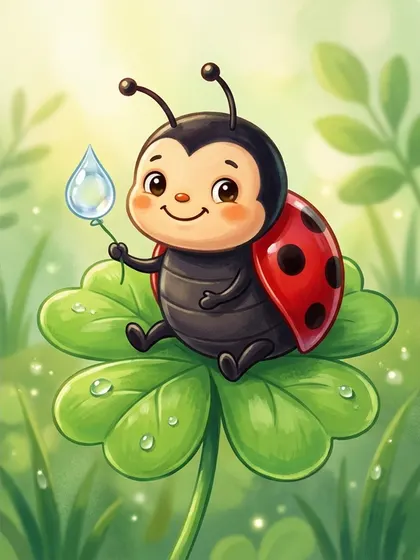
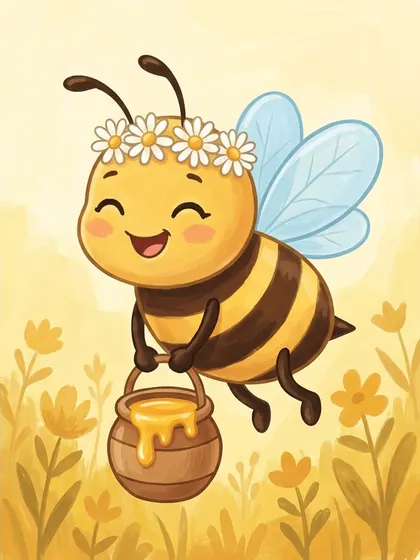
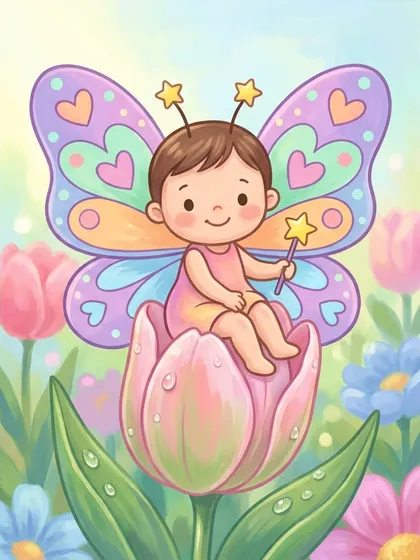
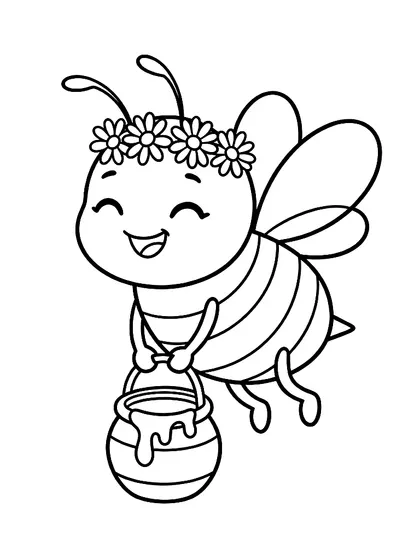
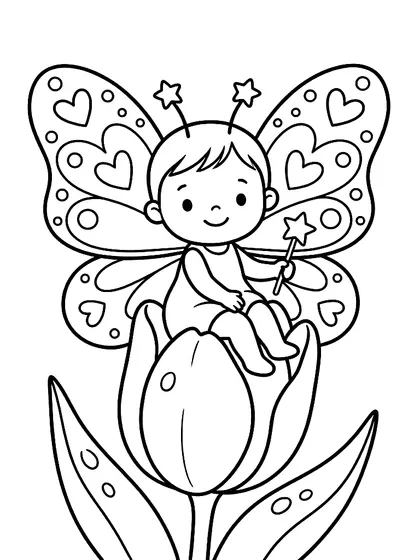
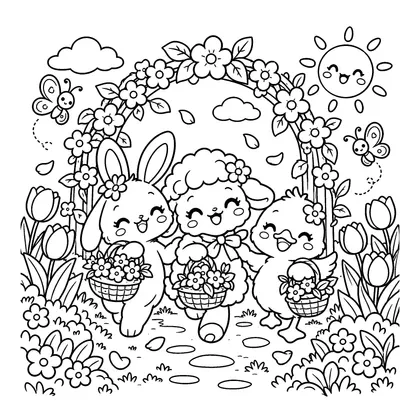
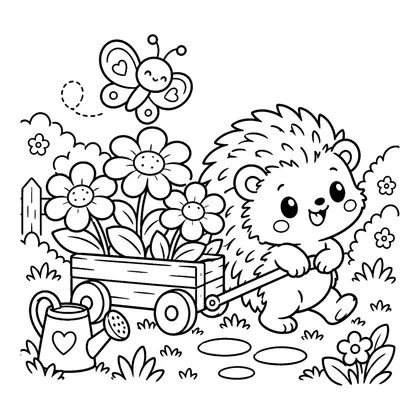
An observation sheet needs only three boxes for flower colors and one box for insects. Fix it to a clipboard or a piece of card with a clip, one per child. A magnifying glass is nice but not necessary. Also prepare white paper, washable paint, and the pages: ladybug, honeybee, butterfly, the spring flower festival scene, the flower wagon scene and the gardening scene.
- Spring walk and observation: 15 minutes
- Butterfly wing blots: 5 minutes (they dry during the next activity)
- Drawing an insect body: 10 minutes
- Coloring the pages: 20 minutes
- Cutting out the dry butterfly, pairing it with the page and displaying: 10 minutes
The walk, 15 minutes: three things to look for
Give three missions before you go out. Find three different flower colors and color the boxes on the sheet with a matching crayon, find one flying insect, and notice where it is sitting. Look at flowers with your eyes only and do not pick them. Fallen petals can be collected.
Questions you can ask: “Who is visiting this flower?” “What do you think it is doing?” Honeybees and butterflies are known to visit flowers for nectar, and honeybees also collect pollen. In early spring insects can be hard to find, so have a photo or a picture book ready, and say, “The insects may still be resting today,” to children who found none.
Butterfly wing blots, 5 minutes
Back in the classroom, fold a sheet of paper in half and open it. Drop paint in dots and lines on one side only. Fold it again, press firmly with your palm and open it, and the pattern appears the same on both sides of the fold. Ask, “The left wing and the right wing look exactly alike. Do butterfly wings do that too?” The paper needs time to dry, so let it dry during the next activity.
Drawing an insect body, 10 minutes
An insect’s body is known to have three parts, a head, a thorax and an abdomen, and six legs. On white paper, draw three connected circles, add six legs to the middle one and two antennae to the front one. Ask, “How many legs does an insect have? Let’s count together.” Insects with wings get wings drawn on the middle section.
The ladybug and bee on the pages are cute characters, so their arms and legs may not match a real insect. Tell children that the insect they drew is closer to a real one. You can add that a spider has eight legs and is not an insect.
Coloring, 20 minutes: bring the walk’s colors in
Keep the observation sheets next to the pages and agree that each child will use at least one color they saw on the walk. The ladybug sits on a clover leaf, so it is a good page for trying several shades of green. The bee page has a honey pot and flowers, which suits yellows and browns, and the butterfly page leads naturally into coloring both wings the same.
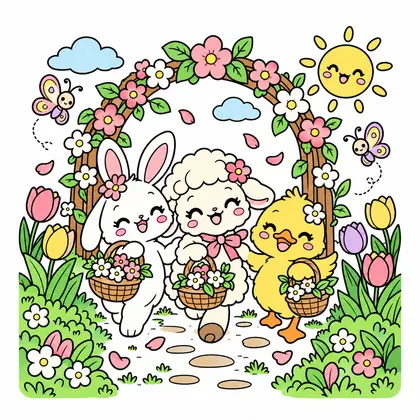
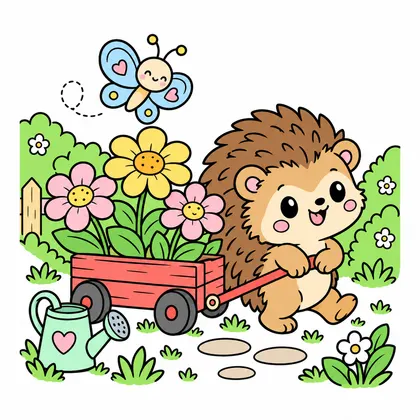
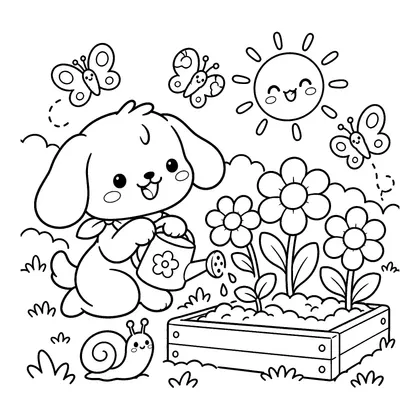
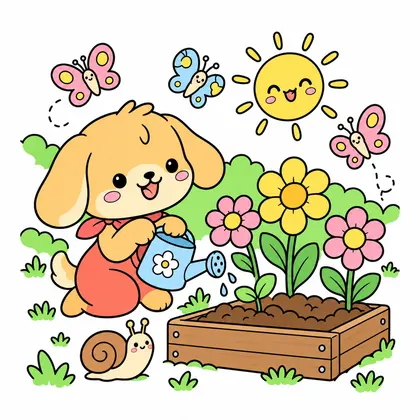
The spring flower festival scene has a flower arch and many tulips, so it is easy to use the colors from the walk. On the flower wagon page, children can choose colors for the flowers in the wagon, and the gardening scene has a planting box and a watering can that lead to the next activity, planting seeds.
Optional follow-up: sprouting beans
After coloring the gardening page, line a zip-top bag with a wet paper towel, add three or four kidney beans and tape it to a sunny window. Over the next few days, spend one minute a day watching the roots appear and draw what you see next to the page. Beans are small enough to swallow, so with three-year-olds show only a bag the teacher keeps.
Adjusting for age
- Age 3: look only for flower colors and watch insects together as the teacher points them out. Draw only the legs on a body the teacher has drawn, and choose pages with large areas such as the butterfly or the bee.
- Age 5: do all three missions and draw the three body parts independently.
- Age 7: write the insect’s name and where it sat on the sheet, and compare the left and right sides of the blot in one written sentence.
Safety, common mistakes and timing
- Ask parents beforehand whether any child has a pollen or bee allergy. If a bee comes close, do not wave your hands; step back slowly.
- Do not pick insects up. If you use a collecting tub, keep it out of strong sun and release the insect after looking.
- Wash hands after the walk, and bring hats and water on sunny days.
- A long walk leaves too little time for coloring. Watch the clock and head back at a set time.
- If you are short on time, move the butterfly blots to the next day. If you have time left, let children draw an “our neighborhood flower map” on the back of the page.
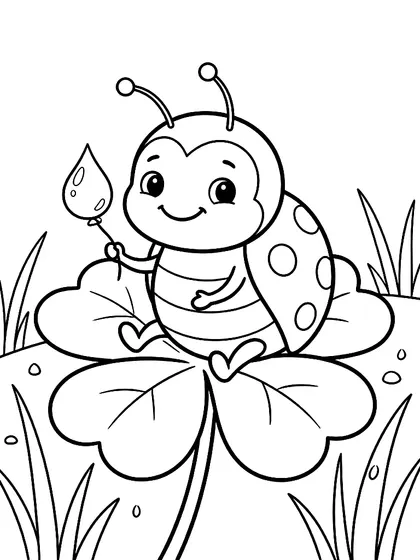
Pages used in this article
FAQ
What if we cannot find a single insect?
Finish the walk by hunting for flower and leaf colors, then look at insect photos or a picture book in the classroom. Coloring and insect-body drawing work exactly the same.
Which insect pages suit spring?
In the cute animal, bird and insect series the ladybug, honeybee and butterfly connect well with a spring walk. The firefly and dragonfly in the same series suit summer better.
How can a child with a pollen allergy take part?
Let the child observe from a window or from photographs, and do the coloring and insect drawing alongside everyone else. If you are worried about symptoms, talk to the parents first.
How many pages should I print?
One per child is enough. Let children choose among the ladybug, bee, butterfly and the spring scenes, and nudge a few to switch if everyone picks the same one.