The 80-minute plan and what to prepare
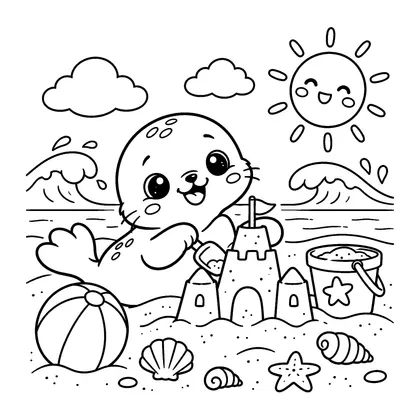
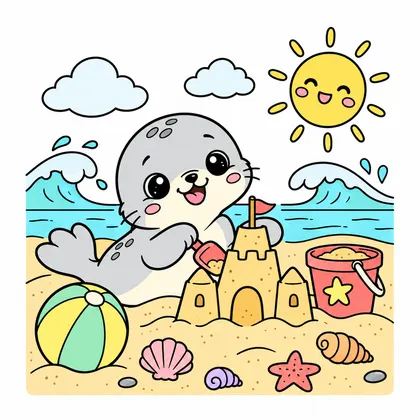
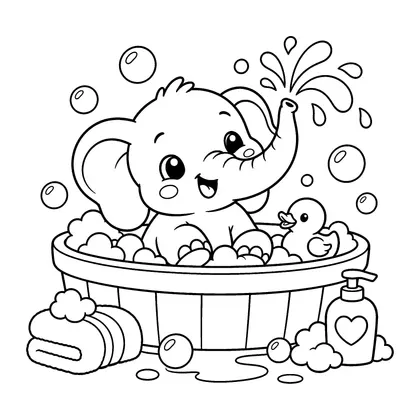
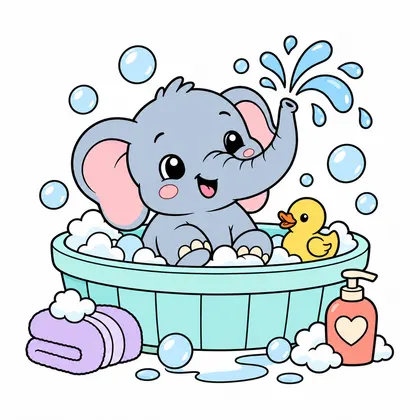
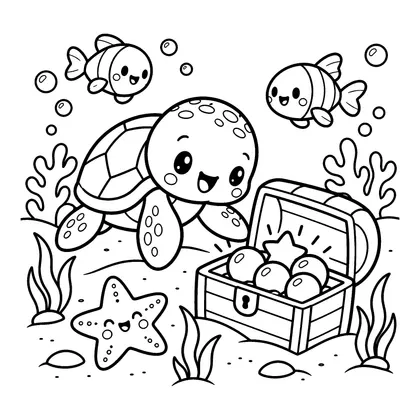
Hand out the jellyfish, hermit crab, whale shark and flying fish pages evenly. For the talking time, have the beach scene (baby seal and sandcastle), the bubble bath scene (baby elephant) and the undersea treasure scene (sea turtle) ready, one of each. For the water test gather three or four shallow tubs, towels, a piece of sponge, a paper clip, a plastic lid and a spoon. Also prepare a piece of blue cloth or a blue plastic sheet, craft sticks, and ribbon or thin paper strips.
- Start, 5 minutes: drink water and check how everyone feels
- Talk, 10 minutes: an imaginary trip into cool water
- Coloring, 20 minutes: choosing cool colors
- Jellyfish mobile, 15 minutes
- Float or sink water test, 15 minutes
- Blue-cloth wave puppet show, 10 minutes
- Wrap-up, 5 minutes: talk about water safety rules
Start, 5 minutes: water and the room
On a hot day, begin with a sip of water for everyone and plan another drink break partway through. Arrange seats so that a fan or air conditioner does not blow directly on a child, and let children who are sweaty wipe off with a towel. Starting with “It’s hot today, so let’s turn our classroom into the ocean” gets children into the theme right away.
Talk, 10 minutes: an imaginary trip into cool water
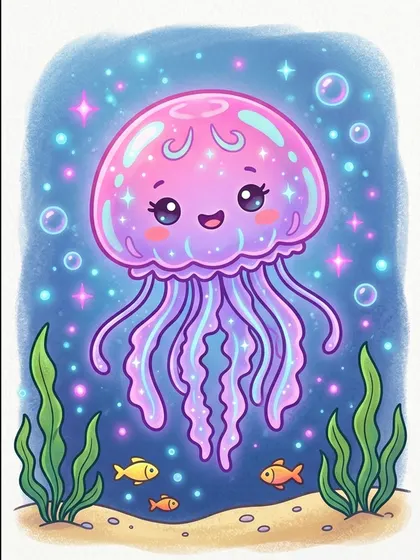
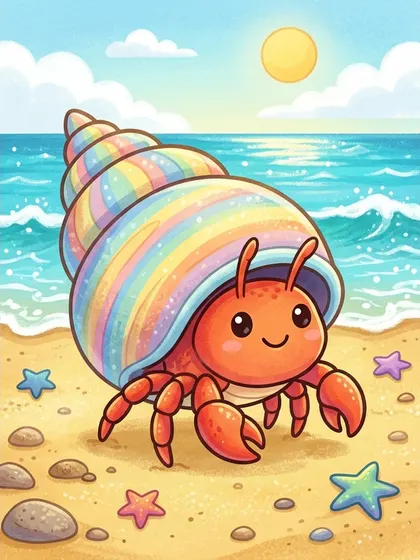
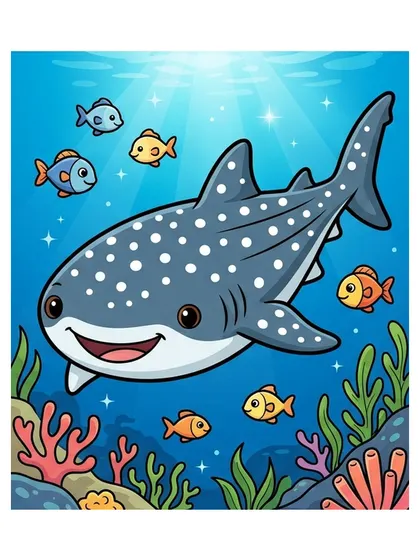
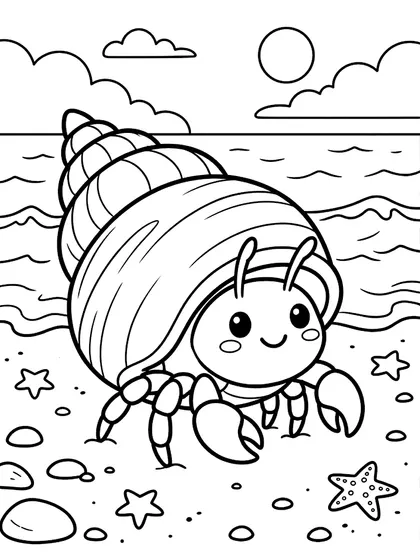
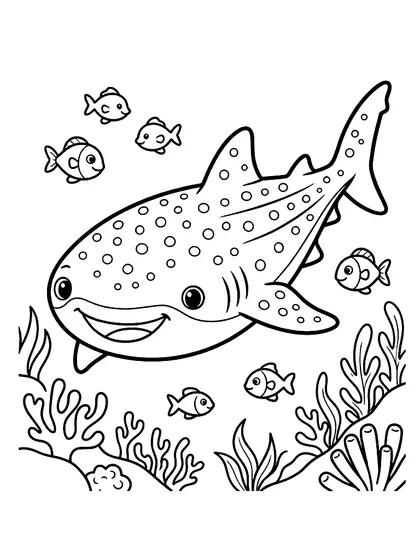
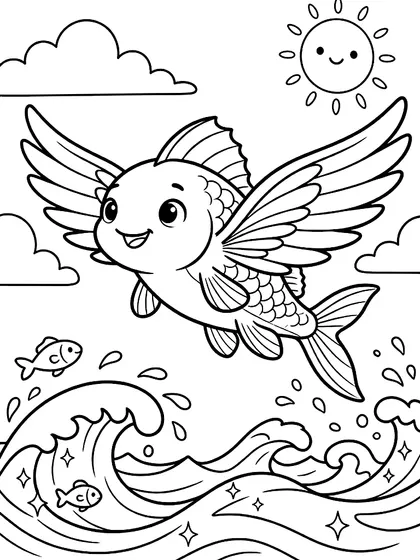
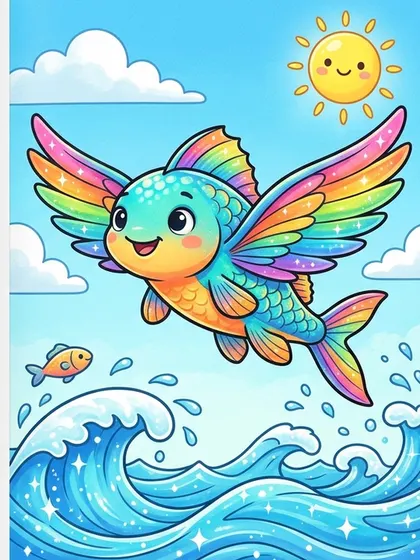
Show the four pages one at a time and talk briefly about each. A jellyfish has no bones and a soft body. A hermit crab uses an empty shell as its home and is known to move into a bigger shell as it grows. A whale shark is called a shark but is known as the biggest fish, and it filters small food from the water. A flying fish leaps out of the water, spreads its fins and glides. The flying fish on the page has rainbow wings, so let children choose any colors.
Keep questions light: “Why do you think this animal lives in the water?” “What do we do to cool down?” There is no wrong answer, so listen to every response and praise it.
Coloring, 20 minutes: choosing cool colors
Set one agreement: “Today use at least three shades of blue, green or purple.” Blues and greens are commonly called cool colors, so you can ask, “Does this color look cool or warm to you?” as children choose. On the jellyfish page, try a blue-purple and pink body. On the hermit crab page, split the stripes on the shell into different colors. On the whale shark page, a child might leave the spots white.
Do not point out missed spots in the last five minutes. Let the child say, “I’m done.” If one page takes more than 20 minutes, the next activity gets pushed back.
Jellyfish mobile, 15 minutes
Cut out the colored jellyfish along its body outline and tape thin paper strips, ribbon or yarn to the bottom as legs. Hang the end of a string out of children’s reach, by a window or from a ceiling hook, and watch it sway in the breeze of a fan set on low. Keep strings short, since a long string could wrap around a neck.
A teacher line: “When the wind blows, how do the jellyfish’s legs move?” A child who colored a different animal can cut it out and hang it in the same way.
Float or sink water test, 15 minutes
Fill each shallow tub only to about wrist depth. Hold up a sponge, paper clip, plastic lid or spoon and have children predict first: “Raise your hand if you think it floats, and make a fist if you think it sinks.” Then drop it in to check. Record the results on a sheet with two columns, floats and sinks. A wrong guess is fine. The important part is saying why.
Keep a few safety points in mind. An adult should watch the water at all times, and towels on the floor prevent slips. A wet page tears, so keep colored pages well away from the test area. Do not use small objects that could go into a mouth with three-year-olds.
Blue-cloth wave puppet show, 10 minutes
Glue each colored, cut-out animal on a craft stick. Two children hold the ends of the blue cloth and shake it up and down to make waves, while the rest raise and lower their sticks under the cloth. Lead the story: “The whale shark is swimming slowly over.” “The flying fish leaps over the waves.” Decide an order so everyone gets a turn holding the cloth.
Wrap-up, 5 minutes: talk about water safety
Show the beach, bubble bath and undersea pages and talk. “Where are these friends playing?” “What rules should we follow when we go to the water?” Let children say rules such as staying with an adult, not running and wearing a life jacket, then sum them up. Add that at the sea we do not touch jellyfish.
Adjusting for age and time
- Age 3: color the large areas for ten minutes only, and let the teacher cut out the jellyfish so children just tape on strips. Use only two large objects in the water test.
- Age 5: follow the plan as written, and let children draw their own result chart.
- Age 7: let children choose the test objects and write a sentence about what the floaters have in common.
- If you are short on time, trim the mobile and move the puppet show to another session. If there is time left, try ice rescue: freeze big toy sea animals in a container of water, then free them with lukewarm water and salt. Salt makes ice melt faster.
- A common mistake is doing everything at one table. Keep the coloring space and the water space separate.
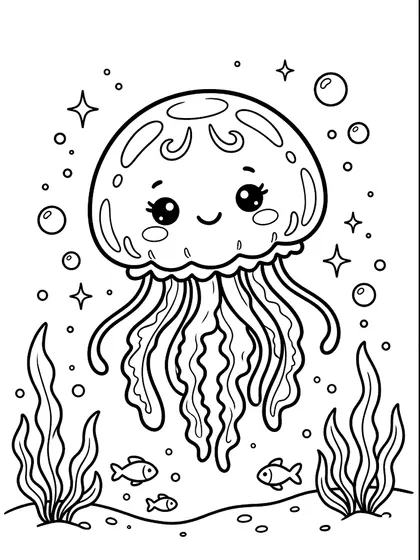
Pages used in this article
FAQ
Does the mobile have to use a jellyfish page?
No. Any animal can be cut out and hung on a string. The jellyfish simply works well because paper strips for legs make a nice swaying effect.
What if the water test is hard to do in my classroom?
Spread a plastic sheet on the floor, use one tub and let the teacher demonstrate. Children can make predictions only and record them on paper.
How should I use the beach scene pages?
The baby seal and sandcastle, bubble bath and undersea treasure scenes work better as talking material than coloring. Use them in the wrap-up when you talk about water safety.
Can I use this program before outdoor water play?
Yes. You can move the water safety talk and the water test to the morning before water play, and fit the coloring into a rest period afterward.