The five-day schedule and a 45-minute day
- Monday, opening ceremony: choose teams, make team flags and Olympic rings, take the oath.
- Tuesday, throwing events: archery target toss, basketball into a basket, plastic-bottle bowling.
- Wednesday, balance and movement events: surfing balance, marathon walk around the classroom, copying taekwondo moves.
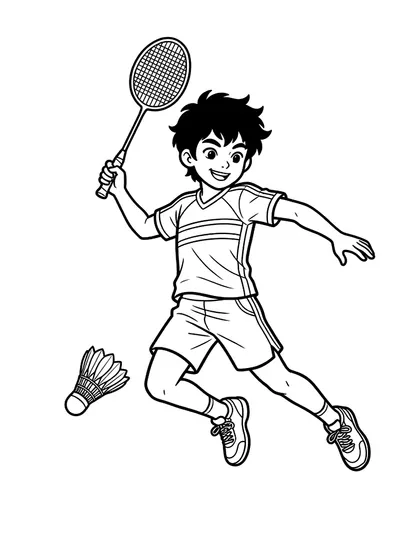
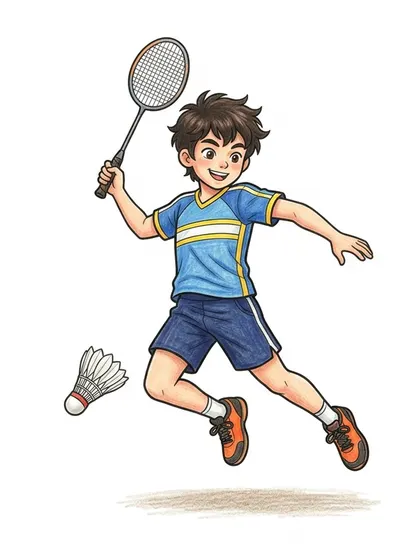
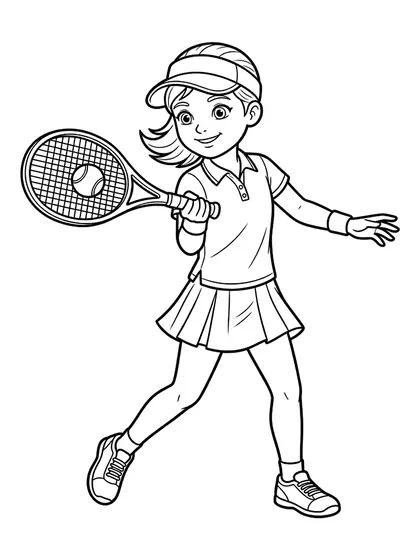
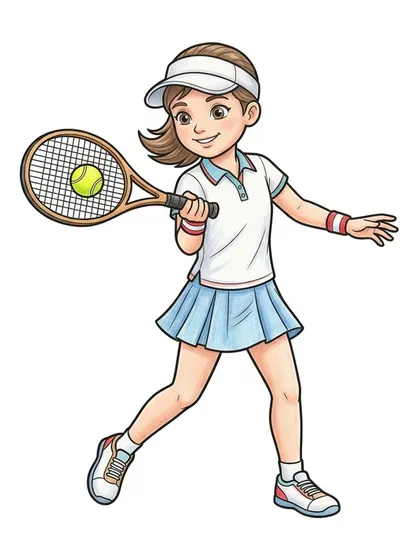
- Thursday, racket events: balloon rally with paper-plate rackets (badminton and tennis pages).
- Friday, closing ceremony: make medals, hold the awards, and exchange praise cards.
- A 45-minute day: warm-up 5 min, coloring the page 15 min, the event 20 min, cool-down and water 5 min.
Opening ceremony: team names, flags and the rings
Tell the children that the Olympics has a summer and a winter games, each held every four years. The Olympic rings are five linked rings on a white background in blue, yellow, black, green and red: blue, black and red on the top row, yellow and green below. The five rings stand for people from many continents coming together. Children can make a classroom set from linked paper strips.
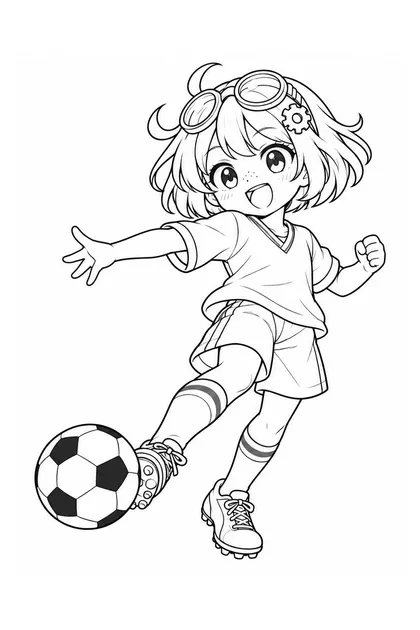
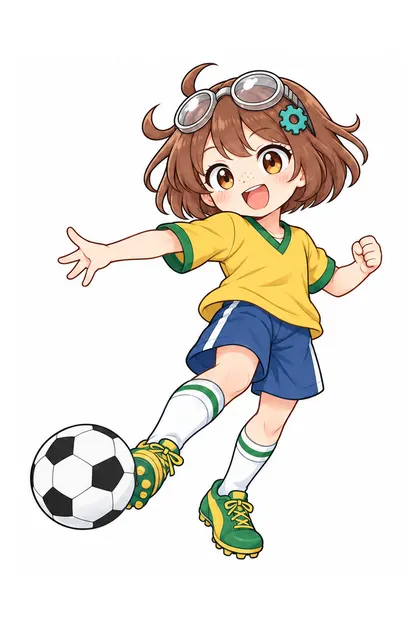
Divide the class into four teams and name them after countries on the pages: Brazil (football), Kenya (marathon), Australia (surfing) and Korea (taekwondo). Each team then has a page to represent it. Teams color the page and glue it to a stick as a flag. Finish with an oath said together: “We will follow the rules, cheer for our friends and enjoy it to the end.” Make the torch from a toilet-paper tube with yellow and orange paper flames; no real fire.
Throwing events: archery, basketball and bowling
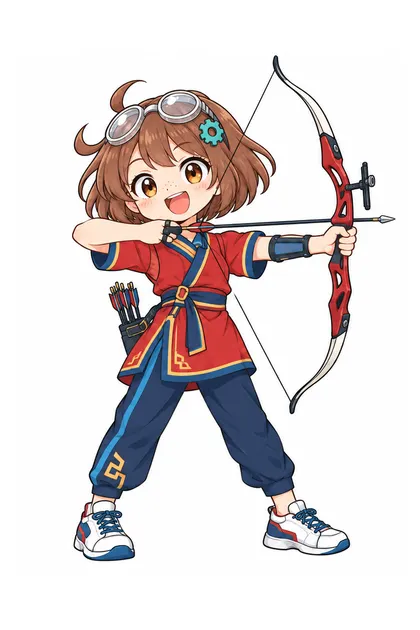
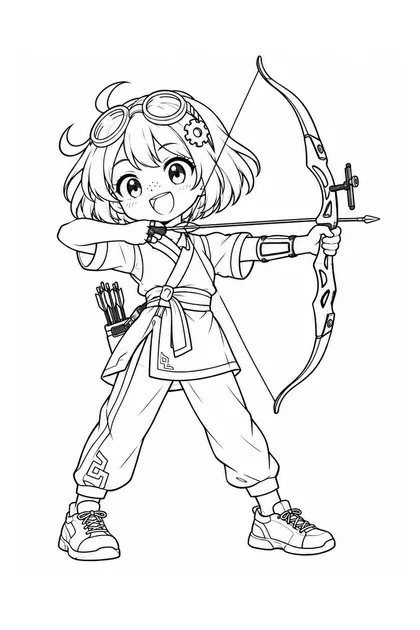
After coloring the Mongolian archery page, talk about targets. Draw overlapping circles in different colors on a large sheet and hang it on the wall or lay it on the floor, with a tape line one to two meters away. Do not use a real bow and arrows; children toss crumpled newspaper balls gently underhand. A ball in the inner circle earns a sticker on the team scoreboard.
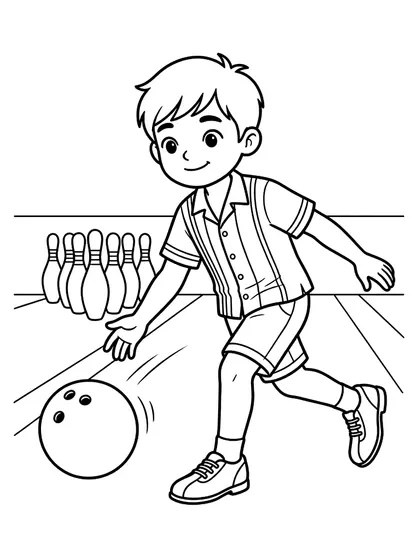
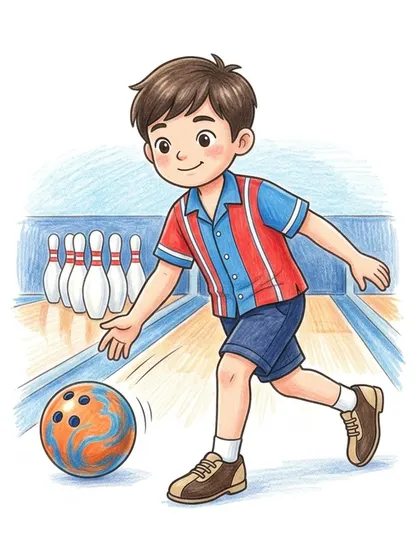
For basketball, drop newspaper balls into a basket or big box. For bowling, stand six empty plastic bottles with the caps on and roll a soft ball to knock them over. Children throw only from behind the line, and the balls are collected together on your signal after everyone has thrown. Score by the team’s total number of successes, not by one person’s record.
Balance and movement events: surfing, marathon and taekwondo
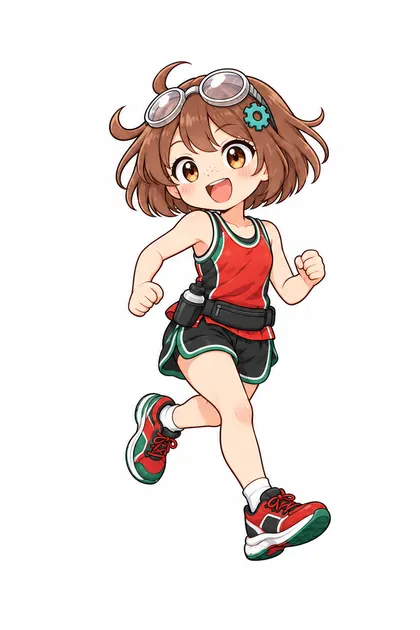
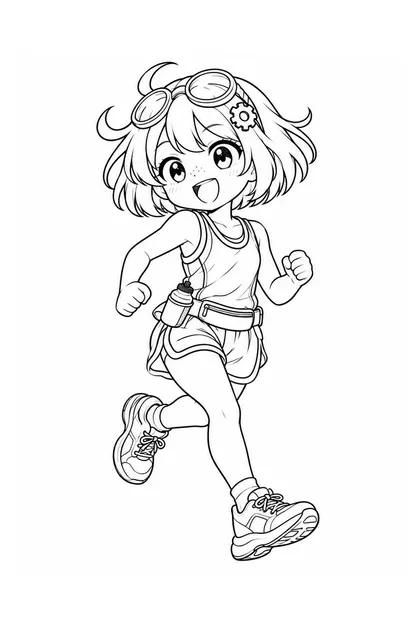
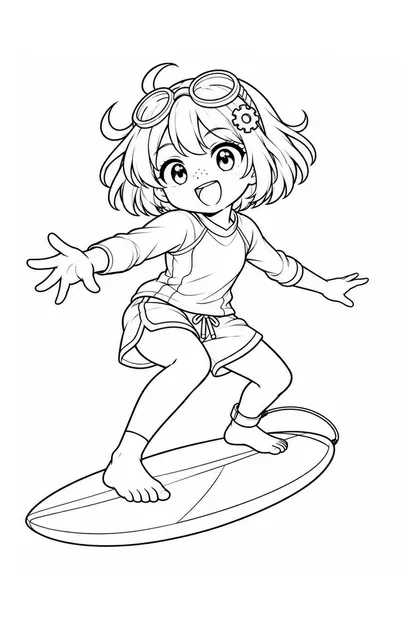
Turn surfing into a balance game: stand on one foot on a sheet of newspaper and count to five silently. For the marathon, make a path among the chairs and walk three laps around the classroom. The rule indoors is to walk slowly, never run, and to drink water afterward. While coloring the Kenya marathon page, explain that a marathon is a race over a very long distance.
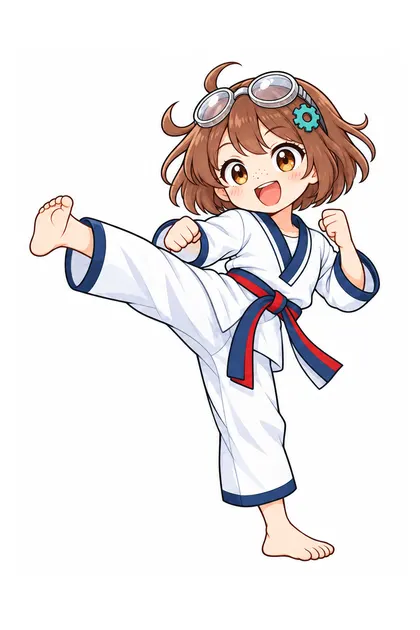
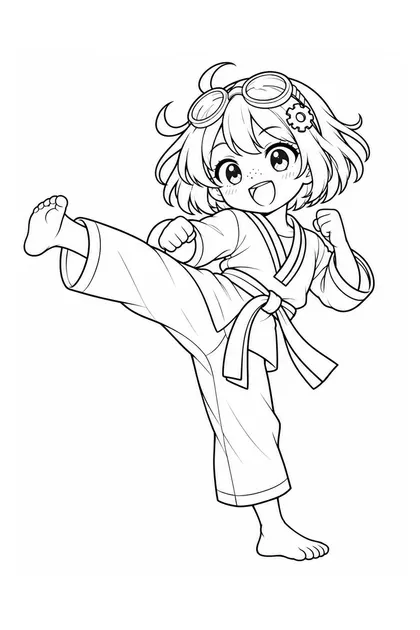
For taekwondo, color the South Korea page, then stand far enough apart that outstretched arms cannot touch and do blocks and punches in the air with a shout. Never aim at a person or an object, and do not kick. Add that taekwondo is a sport that began in Korea.
Racket events: balloon rallies with paper-plate rackets
While coloring the badminton and tennis pages, notice the shape of the racket. Glue a craft stick onto a paper plate to make a racket, and count how many times a team can hit a balloon without letting it touch the floor. Instead of beating other teams, compete against yesterday’s record.
Check first that no child has a latex allergy; if one does, use a vinyl balloon or a beach ball. Pick up burst balloon pieces right away because small children may put them in their mouths.
Closing ceremony: medals and praise cards
Make medals from paper plates, colored paper and ribbon, and tell the children that real Olympics give gold, silver and bronze medals. In our class every child receives a medal with a name like “I finished,” “I cheered well” or “I helped tidy up.” Mark a podium on the floor with tape: three squares with the middle one drawn larger. Children stand on the squares, never on a box, and pretend to be photographed.
For praise cards, each child writes one line to a friend, such as “You were great at ___.” Write for the children who cannot write yet.
Adjusting for age
- Age 3: one event a day. Copy your demonstration, color only the large areas and do not count points.
- Age 5: play as teams and mark the team’s total with bars on the board.
- Age 7: make a record table and add up team totals, take turns as referee and record keeper, and let children make up the rules of an event.
Common mistakes and cautions
- Do not stress winning and losing. Totals that build up together, or beating yesterday’s record, cause fewer arguments.
- Never skip the warm-up and cool-down, and leave time for water between events.
- No running indoors. Socks alone are slippery, so wear indoor shoes or non-slip socks.
- Do not run a single event for more than twenty minutes. Switching before boredom sets in is safer.
- Throw in turns, one line at a time, and collect the balls together on a signal.
- For a child who is unwell or finds movement difficult, give a role such as referee, recorder or cheerleader so that they take part.
If you have extra time, or too little
With extra time, find the equipment on each page and say its name, and talk about what the same sport is called in other countries. If time is short, cut coloring down to ten minutes, color only half of the page and finish it the next day. If a full week is too long, squeeze it into three days: the opening, two events and the closing.
Pages used in this article
FAQ
Can we do this without a playground?
Yes. Every event here is adapted to be played in a classroom or hallway. Push the desks to one side and there is room for the throwing games and balloon rallies.
How do I use the pages?
The world sports series has pages of Nari playing the sport of each of twenty countries, and the sports star series has sixteen sports. Each day, color the page for that day’s sport and then move on to the game.
Won’t it be boring without rankings?
Counting the team’s total and trying to beat yesterday’s record keeps the excitement while lowering the feeling that one person is falling behind.
What if the room gets too loud?
Decide the cheering volume before each event. Hold up one of three cards, quiet, middle or loud, and children can adjust.