The hour at a glance
- Welcome, 5 minutes: greet the children and ask a light question such as, “What do you do on a rainy day if you have no umbrella?” to lead into the story.
- Story, 10 minutes: tell it in six scenes.
- Questions, 10 minutes: ask open questions that have no single right answer.
- Coloring, 20 minutes: color a scene from the story.
- Prayer and wrap-up, 10 minutes: share one thing you are thankful for and say a short prayer.
- Goodbyes and cleanup, 5 minutes: write names on the pages and get them ready to go home.
What you need
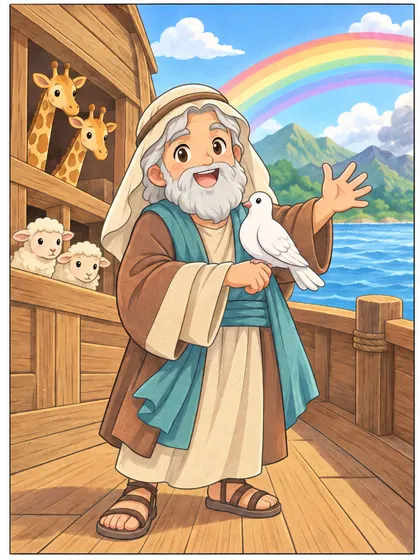
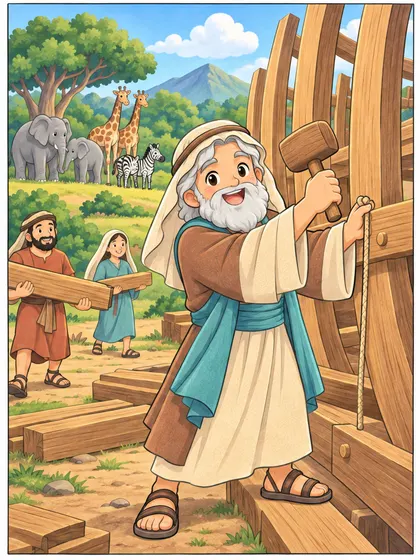
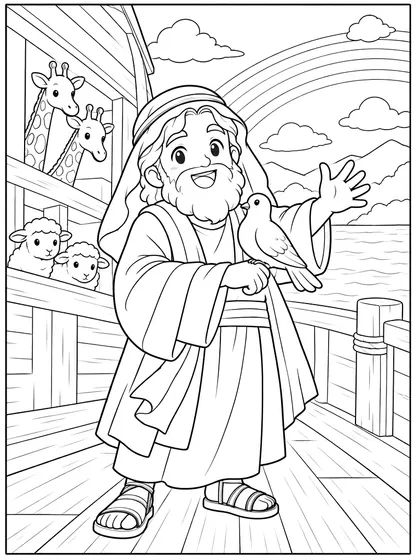
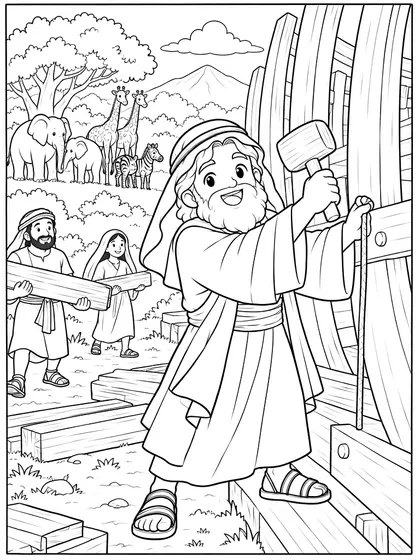
- Two pages: Noah’s ark with the rainbow, and Noah and his family raising the wooden frame of the ark. Print the color references as well.
- Pencils or crayons
- A Bible in the translation your church uses. The teacher reads Genesis chapters 6 to 9 once before class.
- Six scene pictures (optional): enlarge the pages or draw your own.
- If you plan to share snacks, check allergy information in advance.
Telling the story in six scenes, 10 minutes
- First, God told Noah to build a large boat. “Noah listened, and he and his family began to gather wood.”
- Second, Noah and his family built the ark out of wood. This scene goes with the page of the ark frame going up.
- Third, the animals and Noah’s family went into the ark, and God shut the door.
- Fourth, rain fell for forty days.
- Fifth, the waters went down and the ark came to rest on the mountains of Ararat. Noah sent out a dove, and it came back with an olive leaf.
- Sixth, Noah’s family left the ark, and God gave the rainbow as a sign of a promise. This scene goes with the ark and rainbow page.
Talking it over: four open questions, 10 minutes
- “While they were building the ark, how do you think Noah and his family felt?”
- “If you spent a day in the ark, what would you want to do?”
- “When the dove came back with an olive leaf, how do you think Noah felt?”
- “When you see a rainbow, do you think of this story?”
- A child who does not want to answer may pass. For parts the Bible does not describe in detail, say, “The Bible doesn’t tell us much about this part. Shall we say what we think?” so children can tell the difference.
Coloring, 20 minutes: let children choose one of the two pages
In one hour there is rarely time to finish both pages. Let each child pick either the ark-building page or the ark and rainbow page, and send the other home to color. While they color, the teacher moves from child to child with questions that retrace the story: “What is Noah doing in your picture?” or “Which part of the story was the rainbow?”
Playing a hymn or worship song softly that your church uses can make the room calmer. For a child who has trouble settling into the coloring, lay out the six scene pictures and ask the child to put them in order.
Prayer and wrap-up, 10 minutes
- Sit in a circle and have each child share “one thing I am thankful for today.” A child who would rather not speak can just nod.
- The teacher says a short prayer line and the children repeat it. For example, “God, thank you for the story of Noah today. Help us to listen to your word.” Churches word things differently, so change it to the language you normally use.
- A child who is nervous about praying aloud may pray silently.
- Have children write their names on the page and say, “Tell your family today’s story at home.” Sending a note with one question helps families carry on the conversation.
Swapping in other stories
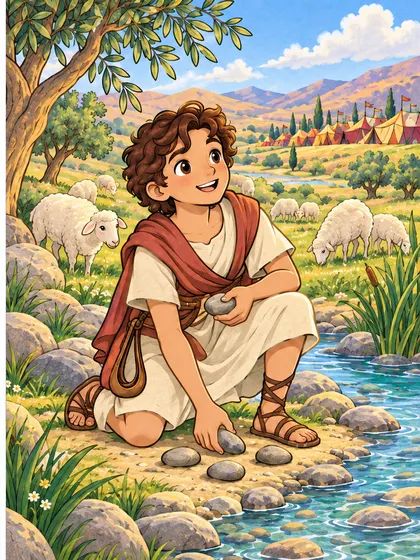
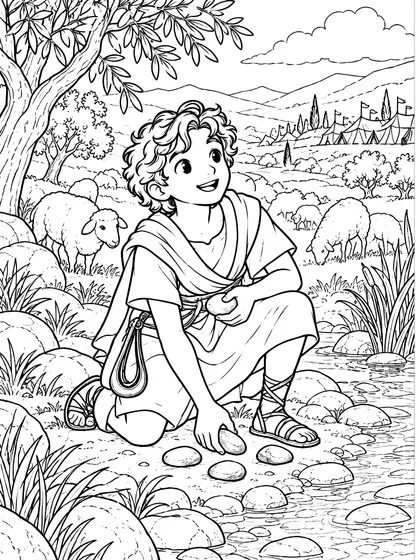
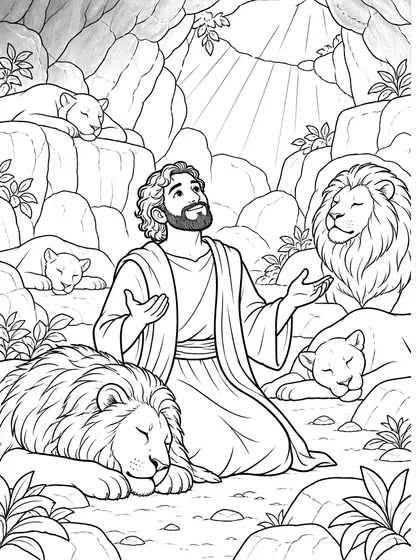
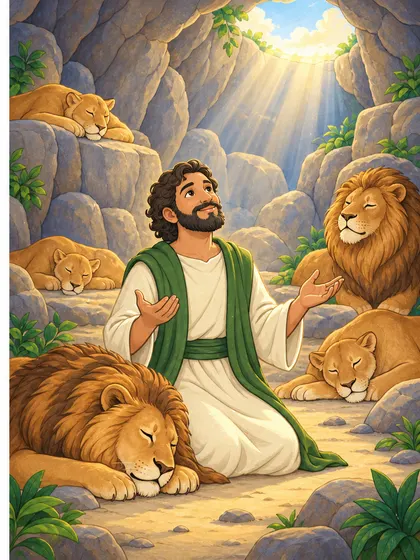
Keep the same structure and change only the story and the page, and you can run the lesson in the same frame every week. The David page shows David choosing five smooth stones at the stream, which connects to 1 Samuel 17. The Daniel page shows Daniel in the lions’ den and connects to Daniel chapter 6, where God is said to have shut the lions’ mouths. The Jonah page shows the large fish that swallowed Jonah, and connects to the book of Jonah. The Joseph coat page connects to the story in Genesis 37. In the Bible series each page lists which part of the Bible it comes from, so check that passage before class.
Adjusting for age
- Ages 3 to 4: shorten the story to five minutes and tell it with three or four scene pictures. Get bodies moving with rain-falling finger actions or animal sounds. Color only the large areas, and for prayer have them repeat a single sentence.
- Ages 5 to 6: follow the 60-minute plan above as written.
- Age 7 and up: find and read Genesis 6 to 9 together, and have them put the six scene cards in order. They can also write one sentence about the scene that stayed with them.
Common mistakes and cautions
- The story runs long and turns into a sermon: end the story within 10 minutes and let the children do the talking in the questions and coloring.
- Deciding the answer to a question ahead of time: open questions have no wrong answers. Take the child’s answer as it is.
- A child who finds the flood frightening: do not describe the rising water in detail. Focus on safety inside the ark, the dove and the rainbow promise.
- Presenting details the Bible does not give as fact: for things filled in by the artist, such as the kinds of animals or the shape of the ark, say, “In this picture, the artist drew it like this.”
- Differences among denominations and churches: follow your own church’s practice on prayer, vocabulary and doctrine. This plan sticks to the plot of the story and its promise.
- Coloring runs long and prayer time disappears: use a timer for coloring and reserve prayer time first.
If you run short or have time left
If time is short, cut the questions to two and the coloring to 15 minutes, and send the unfinished coloring home. If time is left, play a game that acts out the six scenes. Children take the parts of Noah, the animals and the dove in turn, and doing the motions for each scene helps them remember the story. For a 30-minute class, shrink it to three steps: story, coloring and a short prayer.
Pages used in this article
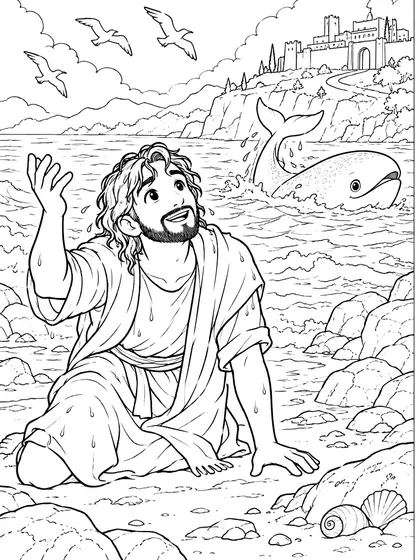
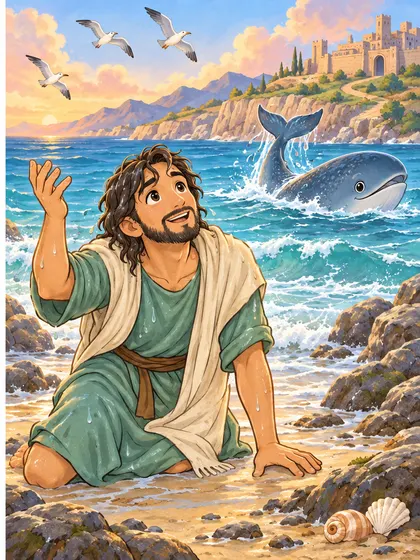
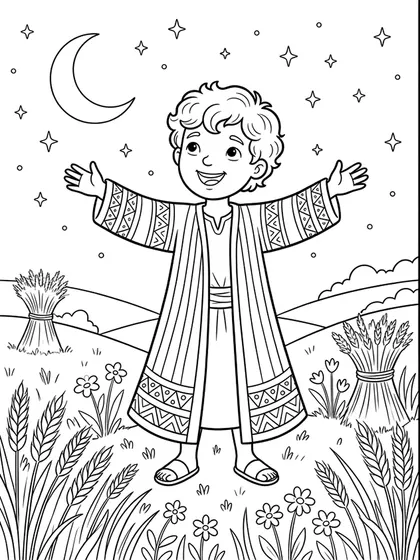
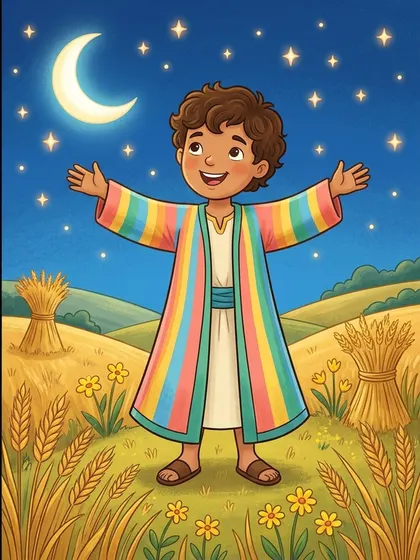
FAQ
Can I tell which Bible passage each page comes from?
In the Bible series, each page lists which passage it comes from. If you read that passage once before class, in the translation your church uses, you can tell the story with confidence.
Is the flood story too scary for young children?
Some children do find it frightening, so avoid describing the rising water in detail and focus on safety in the ark and the promise of the rainbow. If a child is upset, you can switch to a different story.
Can we use this if our church is of a different denomination?
The plan is made of the plot, questions, coloring and a prayer of thanks, with no explanation of any particular doctrine. Change the prayer lines and vocabulary to the ones your church normally uses.
What if we only have 30 minutes instead of an hour?
Shorten it to 8 minutes of story, 15 minutes of coloring and 7 minutes of prayer and wrap-up, and ask only one question. Have children color only the large areas and take the rest home.