Order of play and what you need
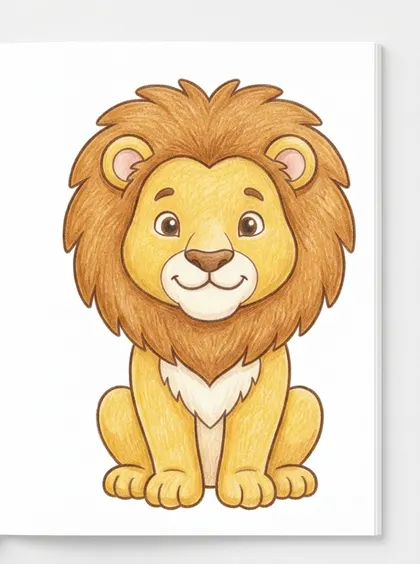
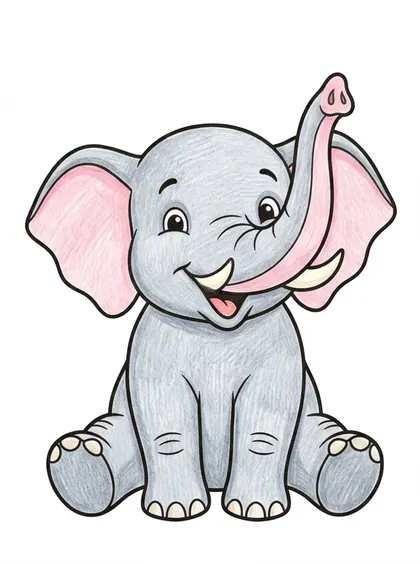
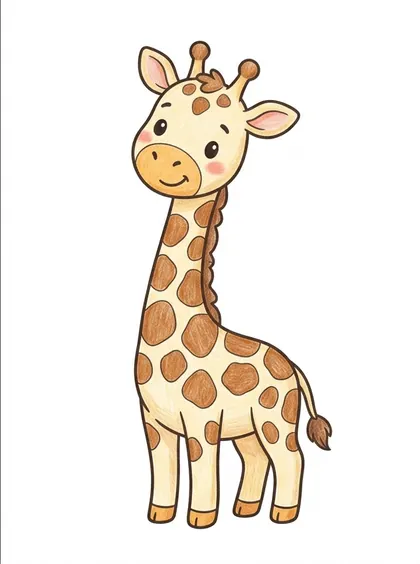
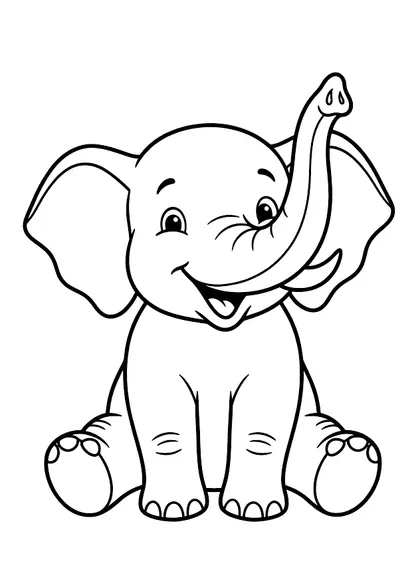
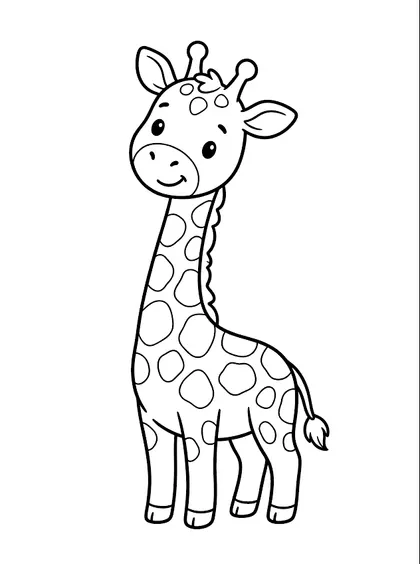
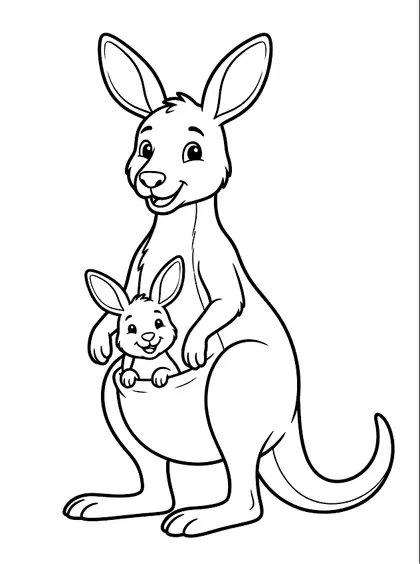
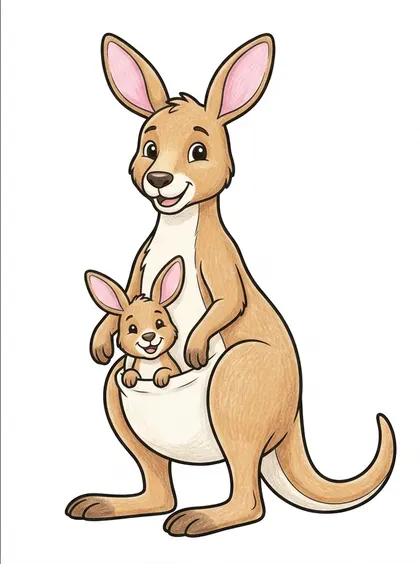
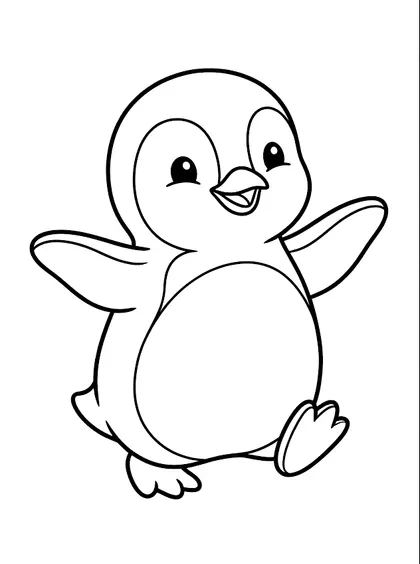
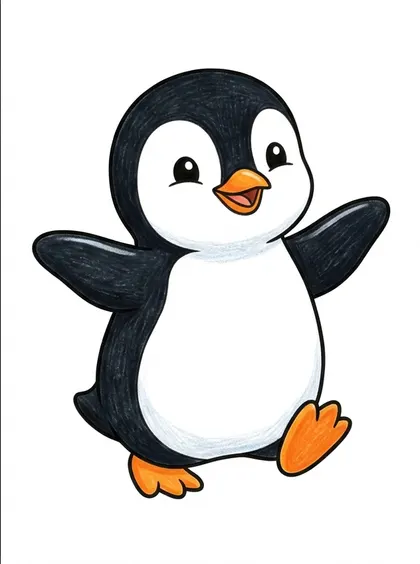
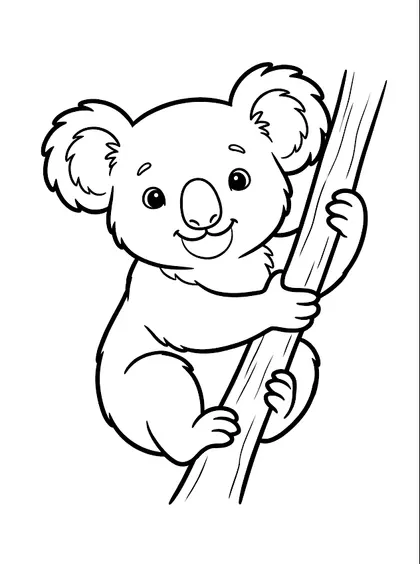
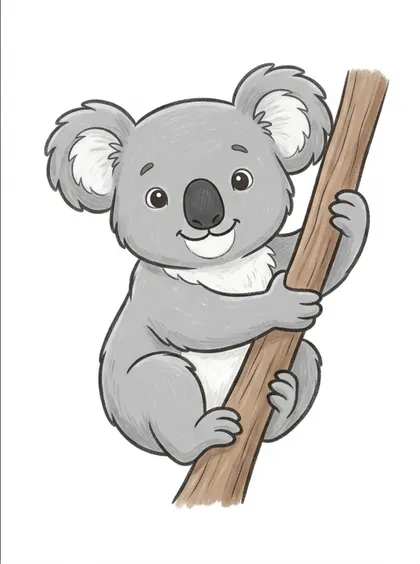
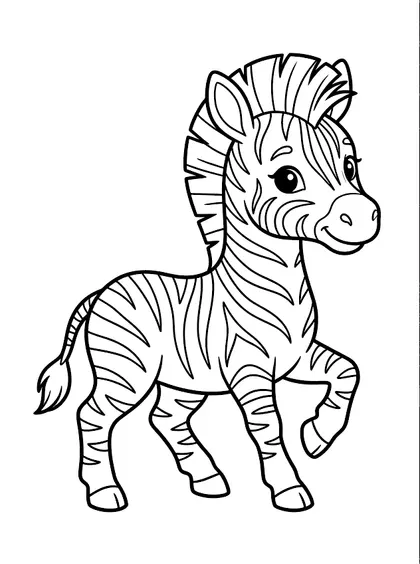
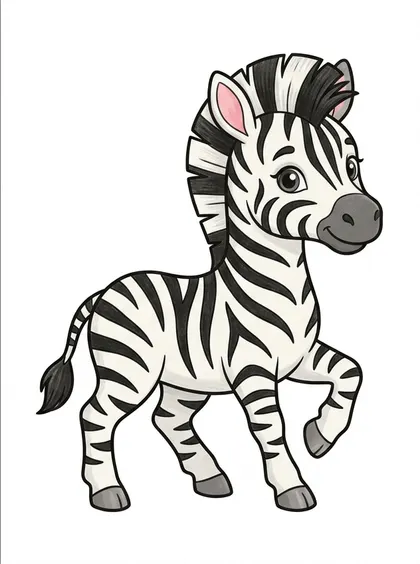
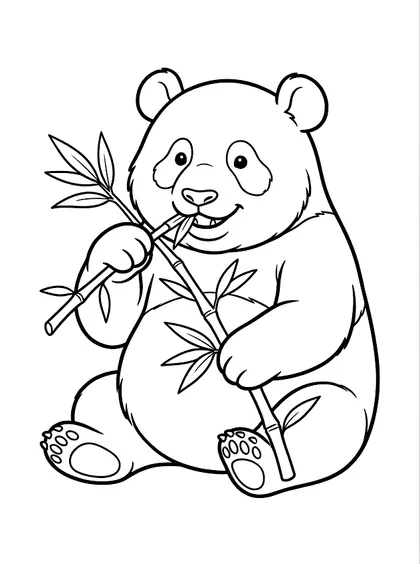
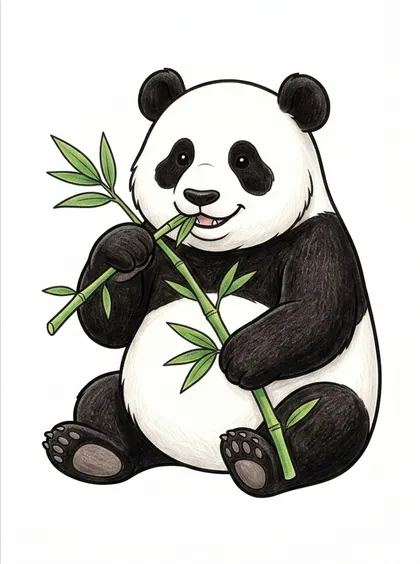
Use eight pages: lion, elephant, giraffe, kangaroo, penguin, koala, zebra and panda. Hand out one page per child to color, and print a color reference of each animal separately for the games. You also need one sheet of paper for the window card, masking tape and something to play music on.
- Coloring, 15 minutes: large areas first
- Game 1, window cards: 7 minutes
- Game 2, clapping the name: 7 minutes
- Game 3, initial-sound clues: 6 minutes (for older children who know letters)
- Game 4, back-of-the-head guessing: 10 minutes
- Game 5, animal freeze dance: 10 minutes
Game 1: window cards
Cut a palm-sized window in the middle of a sheet of paper and slide it over a colored page, revealing only a small part. Start with the parts that are hard to recognize: the zebra’s stripes alone, the giraffe’s spots alone, only the elephant’s trunk, or only the baby in the kangaroo’s pouch. Ask, “Whose body is this pattern from?” If nobody guesses, widen the window a little at a time.
Model it once or twice yourself, then let children take turns as the leader. Choosing which part of their own page to show is half the fun.
Game 2: clap the name
Clap each syllable of the animal’s name aloud. In Korean, sa-ja (lion) has two claps and ko-kki-ri (elephant) has three. If you play in English, “li-on” has two, “el-e-phant” three, “gi-raffe” two, “pen-guin” two, “ko-a-la” three and “ze-bra” two. Make two columns on the board, “two claps” and “three claps,” and let each child bring a colored page, clap the name and stick it on the right column.
You can also cover the pictures and just clap: “Three claps. Which animal is it? Here are four to choose from.” Add one clue at a time. This works even for three- and four-year-olds who cannot read yet, because it uses only the length of the sound.
Game 3: initial-sound clues
This one is for children who know letters. Write only the first letter or first sound of the name on the board and let them find the matching page among the eight. In English, “P” could be panda or penguin, so add a clue such as “It cannot fly.” In Korean, the clue is the first consonant of each syllable, which makes the game more of a puzzle.
Once children are comfortable, drop the pages and have them guess from the letter alone. Finish by letting each child write a clue for a friend to guess.
Game 4: the back-of-the-head guessing game
Tape a printed color reference on each child’s back with masking tape. Do not use the colored pages the children made, because they crumple. Nobody can see the animal on their own back. Each child asks a partner questions that can be answered with yes or no, up to ten questions.
Sample questions: “Am I very big?” “Do I have stripes?” “Do I live somewhere cold?” “Do I hop?” For a child who has never played, suggest starting with size: “Am I big or small?” For three-year-olds, put one child at the front and let the whole class ask the questions.
Game 5: animal freeze dance with sounds and movement
While the music plays, children walk freely around the room. When you hold up a page, they do that animal’s movement and sound and freeze for a count of three. The sound does not have to be a real animal sound; whatever your class has agreed on is fine.
- Lion: spread both hands like claws and roar
- Elephant: let one arm hang like a trunk and swing it
- Giraffe: stand on tiptoe and stretch the neck
- Kangaroo: feet together, hop on the spot
- Penguin: arms down at the sides and waddle
- Koala: hug an imaginary tree trunk and move slowly
- Zebra: gallop on the spot
- Panda: sit and pretend to munch bamboo
Adjusting for age
- Age 3: focus on games 1, 2 and 5. Treat names only as sounds, and just demonstrate the guessing game.
- Age 5: play games 1, 2, 4 and 5, and cut the questions to five.
- Age 7: add the initial-sound game, let children make their own puzzles, and have them write three clues on the back of their colored page.
Safety, noise and timing
- Before freeze dance, space children at least an arm’s length apart. Socks slip, so use shoes or a mat.
- Sound games get loud. Agree a signal such as a “small lion roar” so you can control volume.
- If the first child to guess keeps shouting the answer, others lose their turn. Ask for whispers or finger numbers instead.
- If time is short, do games 2 and 5 only. If there is time left, let children invent a new movement for each animal.
- If some children are still coloring, play the games in two parts and finish coloring next time.
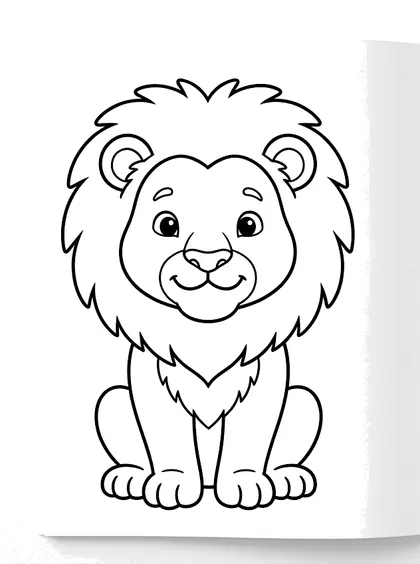
Pages used in this article
FAQ
Which series works best: classic animals, cute animals or cute animal friends?
For guessing games the classic animal series is best, because each page has one large animal. The cute animal, bird and insect series is good when you want to add birds and insects, and the animal friends series suits stories built around a scene.
Can children who cannot read play?
Games 1, 2, 4 and 5 need no reading. Clapping uses only sound, and the guessing game uses the picture. Only the initial-sound game needs letters.
How many children is best?
Window cards and clapping work with a whole class. The back-of-the-head game needs pairs, so an even number is easiest; with an odd number, the teacher pairs up with one child.
My children keep asking for the answer directly in the guessing game.
Agree that a direct guess such as “Am I a lion?” is allowed only once, at the end. The earlier questions should be yes-or-no questions about size, pattern or habitat.