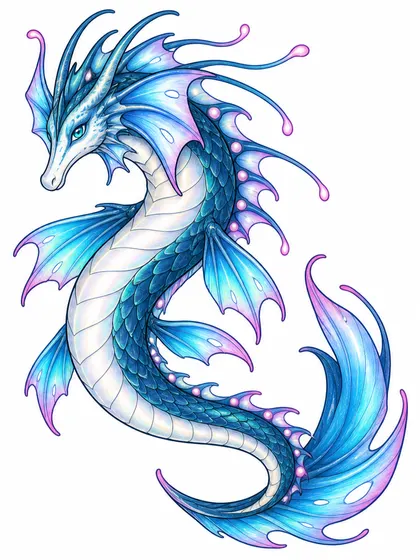
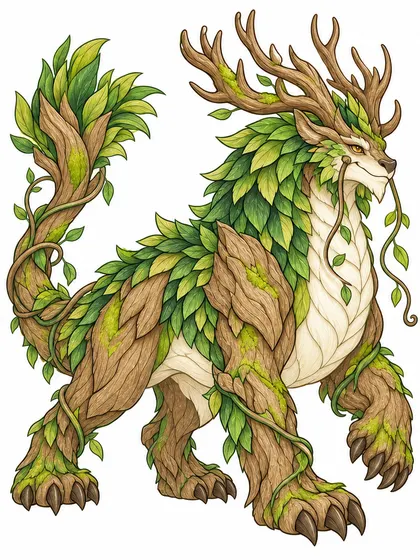
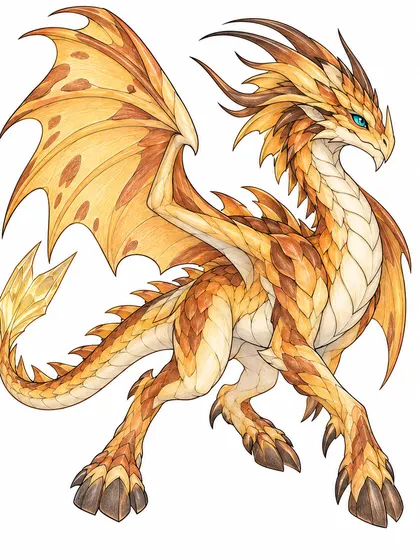
Color, name, place, then tell the story
An imaginary animal has no single right answer, which makes it a good subject for free talk. In this activity, children color a page, look closely at the creature to name it, decide where it lives on a big map, and finally turn a creature card into a short story. Because the child who colored it is now its creator, children find plenty to say about their own creatures.
The dragon series pages already have names, and the mythical creature series has names such as griffin, kraken and dokkaebi. Still, tell the children they may give their creature a name of their own. If you call the original name the “book name” and the child’s name the “our classroom name,” you can keep both.
Materials
- One dragon or mythical creature page per child, plus pencils or crayons. These pages have dense scales and feathers and take a while, so tell children to start with the large areas.
- Creature cards (A5 or 4 by 6 inches) with five boxes: name, where it lives, what it likes, what it fears and one special power.
- A large sheet of paper for the habitat map (poster paper, or taped A3 sheets). Beforehand, divide it roughly into six regions, such as mountains, sea, desert, forest, ice land and above the clouds, and write each name.
- Glue or tape and safety scissors
A 50-minute running order
- Warm-up, 5 minutes: ask, “What does a dragon look like?” Mention briefly that Western dragons are often drawn with wings and breathing fire, while Eastern dragons are often drawn with long bodies. Today’s creature can be either.
- Coloring, 20 minutes: keep the color reference beside them and let them change colors if they like. While they color, ask questions such as “Can it fly?” and “What does it use its tail for?”
- Name and card, 10 minutes: choose one of the three naming methods, name the creature and fill in the five boxes of the card.
- Map, 10 minutes: cut out the creature, stick it in the region where it lives and say in one sentence why it lives there.
- Wrap-up, 5 minutes: walk around the map and introduce neighboring creatures by name together.
Three ways to name a creature
- Look-based names: join two features you can see. Three horns can become Threehorn, a long tail Longtail, and a body with star patterns Starscale.
- Sound-based names: imitate the sound of its walk or its flight, such as Thumpy or Whoosh.
- Home-based names: add a word like sand, wave, forest or cloud to “-ling” or “dragon,” such as Sandling or Wavedragon. You can guess the habitat just from the name.
- Tell children that if a name hides a clue about how the creature looks, listeners can picture it. They then choose their names more carefully.
Making the habitat map
You can make one map for the whole class or one per group. When a child cuts out a creature and sticks it in a region, the child must say in one sentence why it lives there. Good reasons come from the way the creature looks: “It lives in the sea because it has fins,” or “It lives in the desert because it is sand-colored and can hide.”
Creatures in the same region become neighbors. Ask what would happen when neighbors meet, and have children draw roads between creatures with a crayon, and the map turns into a story board. Setting a limit of four creatures per region keeps them from crowding into one corner.
Hints for specific pages
- Sea, desert, forest and ice dragon pages: the page names already show the habitat, so these suit beginners and younger children. Let the child decide which region each one goes in.
- The flower dragon page: for a child who is afraid of dragons or monsters, offer the gentle flower dragon page so there is a choice.
- The griffin page: the griffin is a legendary creature said to have the head and wings of an eagle and the body of a lion. Start with a looking game to find which parts are eagle and which are lion.
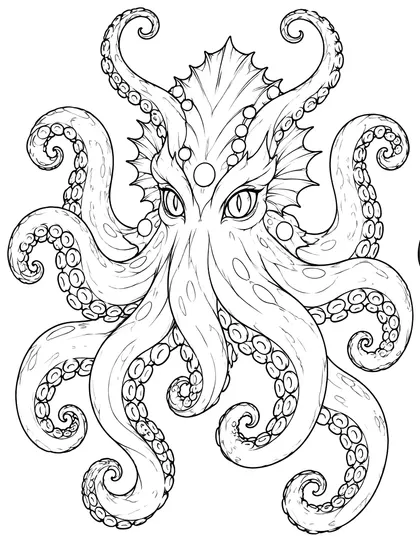
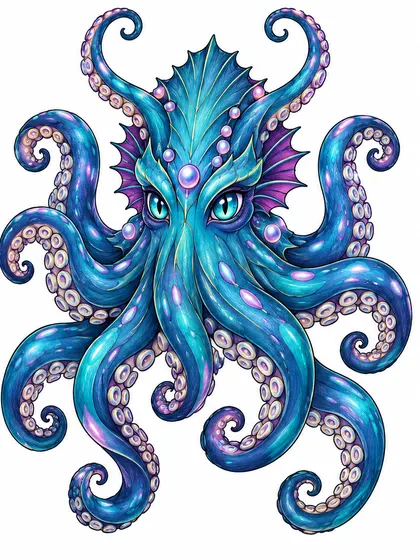
- The kraken page: it is told of as a giant sea monster that lives in the deep. Count its arms, and sticking it in the deep sea region feels natural.
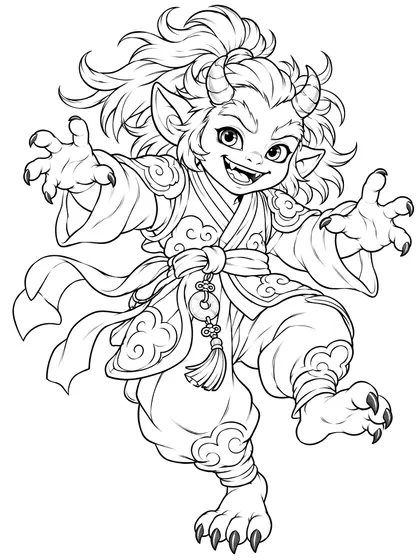
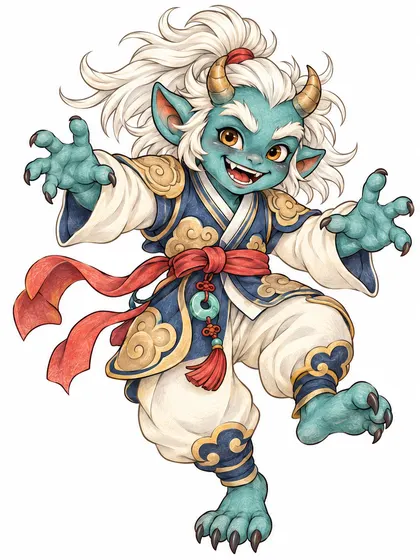
- The dokkaebi page: dokkaebi appear in old Korean tales, so ask what stories children already know. Let them find hints in those stories about which region suits it.
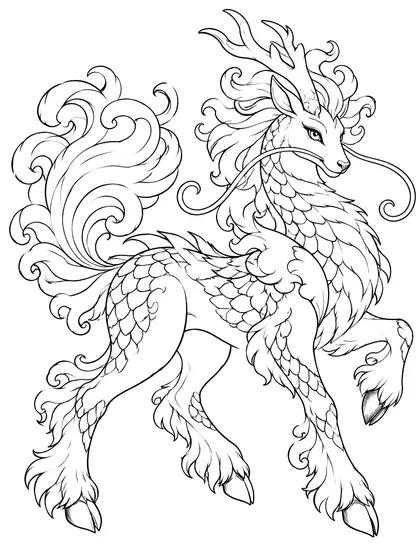
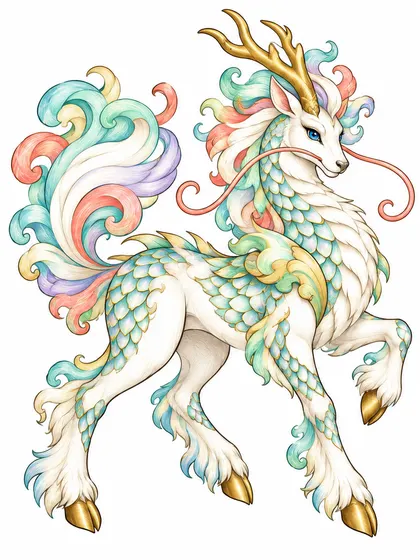
- The qilin page: the mythical qilin is not the animal you see at the zoo, although the Korean word is the same as for giraffe. The mix-up can itself be a topic for talk.
From the creature card to a story
Once the five boxes are filled in, move on to a three-sentence story. The frame is simple: “___ lives in ___. One day, ___ happened. So ___.” Another idea is to pick two neighboring creatures from the map and write about one visiting the other’s home. What the creature likes and fears becomes the events of the story, and its special power becomes the key to solving the problem.
Adjusting for age
- Age 3: use only the sound-based naming, and the teacher writes down the sound a child says on the card. Reduce the map to three regions, water, land and sky, and the teacher cuts out the pages.
- Age 5: fill in three boxes (name, home, favorite thing) and use all six regions. They tell the three-sentence story aloud.
- Age 7 and up: fill in all five boxes and write one page of a creature field guide (a picture and three sentences). They write the story of two neighbors meeting and draw its route on the map.
Common mistakes and safety
- Stories turn into fights: if the only stories are about battles with fire or lightning, change the question to “What if the two became friends?” and tell children the special power box can hold a power to help friends.
- Correcting names: names have no right answers. Do not say a name is strange; ask what it means.
- Crowding into one region: use the four-per-region rule.
- Coloring takes too long: say it is fine not to fill every scale or feather pattern, and split the work over two sessions if needed.
- Scissors and glue: the teacher cuts for age 3. Wet glue can tear the paper, so use thin layers or double-sided tape.
If you run short or have time left
If time is short, stop after the name and card and do the map next time. If time is left, join two group maps into a bigger world and decide the weather in each region to tell weather stories. At home, a fun variation is for family members to name each other’s creatures after coloring.
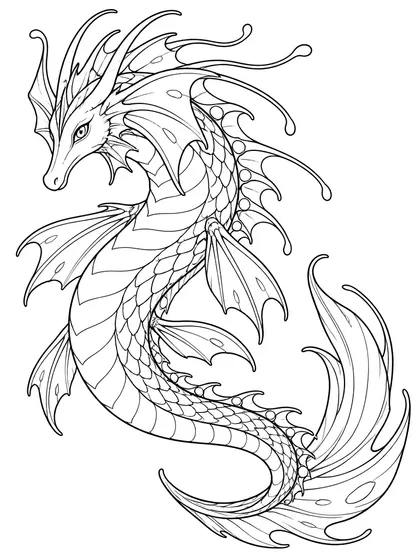
Pages used in this article
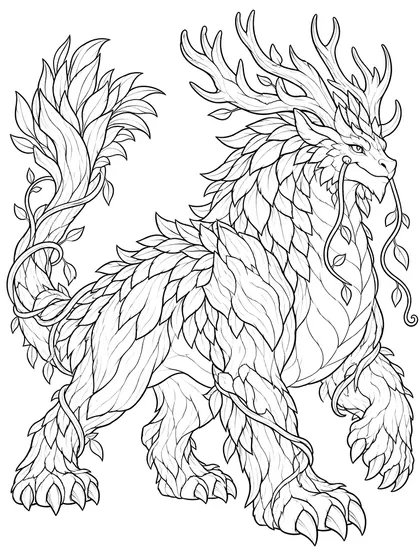
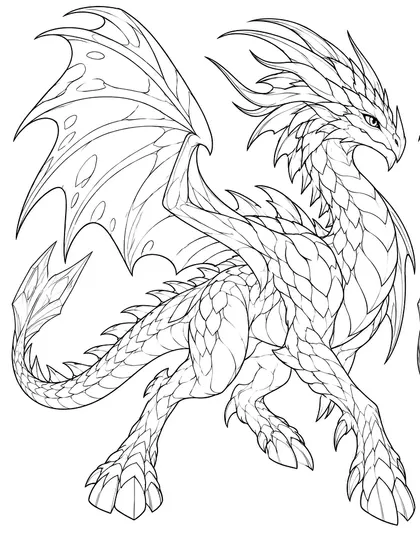
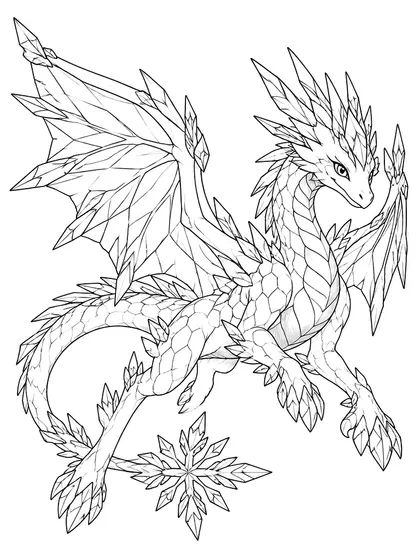
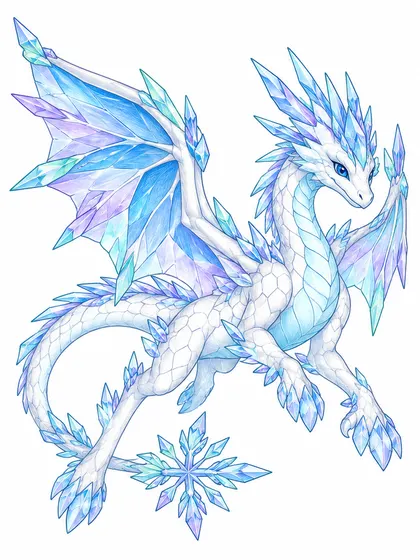
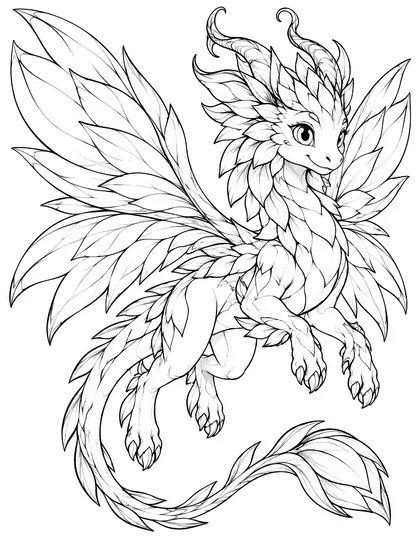
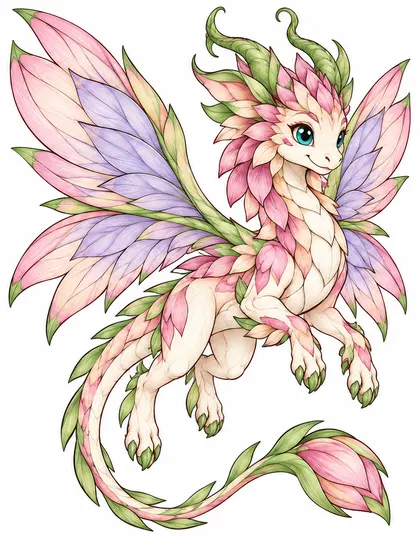
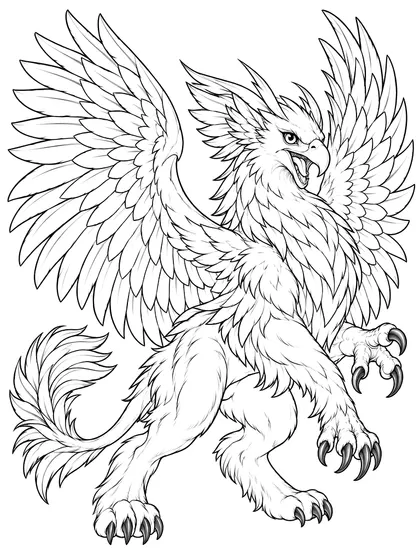
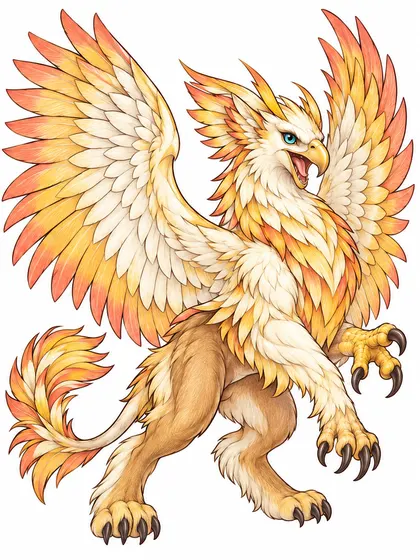
FAQ
The page already has a name. May we change it?
Yes. Tell children the original is the book name and write the child’s name as the classroom name, so both are kept.
What about a child who dislikes scary pictures?
Offer a gentle page first, such as the flower dragon, and let the child choose. If a story drifts toward fighting, steer it toward becoming friends.
How many regions should the map have?
Three for age 3 (water, land, sky) and six for age 5 and up (mountain, sea, desert, forest, ice land, above the clouds). More regions give you more story ideas.
How much should I say about the real legends?
A short description of the traditional appearance is enough. Legends differ from country to country, so there is no single answer. If you are not sure of something, say so and look it up together.