

Lesson flow (60 minutes, or two days for a big class)
- Materials: eight to twelve job pages, one of each, crayons, a three-sentence speaking frame on a card, three question cards and pencils.
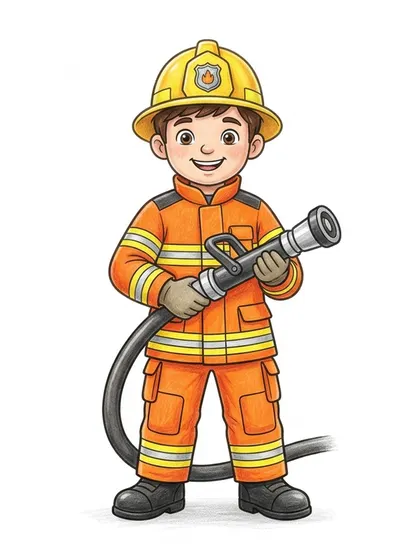
- Warm-up (10 min): model the frame yourself. “I want to be a firefighter. A firefighter puts out fires and helps people. I want to be one because I want to help people who need it.”
- Choose a job (5 min): spread the pages on the table and let each child pick one that appeals. Several children may choose the same job.
- Coloring (15 min): color from the color reference, though children may change the colors.
- Fill in the frame (10 min): on the back of the page, fill in the blanks of the three sentences.
- Partner practice (5 min): say it once to a partner first.
- Presenting and questions (15 min): each child holds up the page in front of the class and listeners ask one question each.
The speaking frame: three sentences
- Sentence one: “I want to be a ___.” Name the job.
- Sentence two: “A ___ is someone who ___.” Say what the job does.
- Sentence three: “I chose it because ___.” or “So right now I want to try ___.” Give a reason or something to try now.
- Write the frame large on the board and let children fill only the blanks. For ages that cannot write yet, you write it down for them or they just say it.
Finding the second sentence from the page
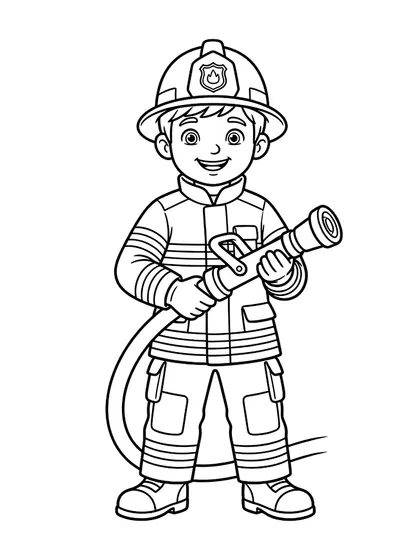
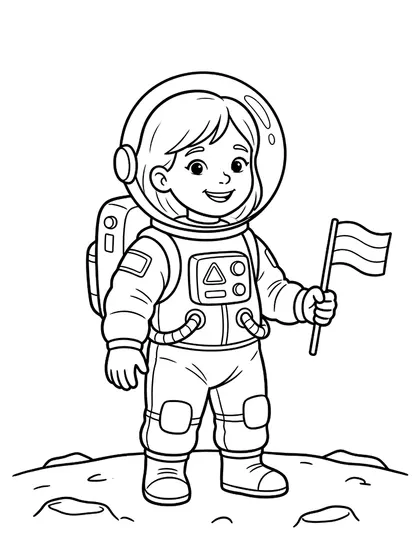
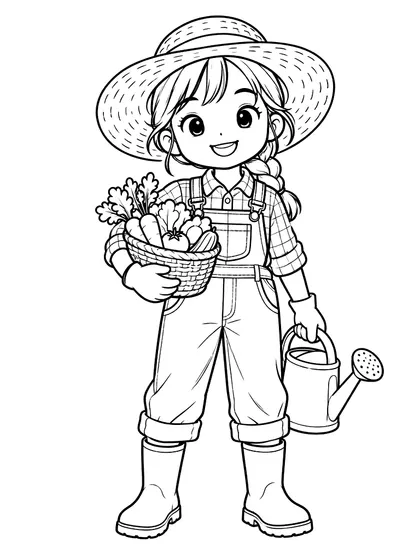
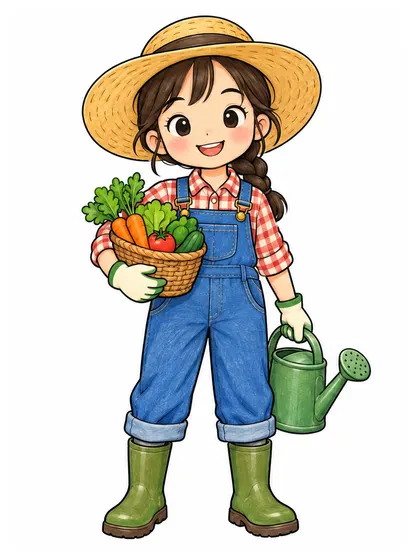
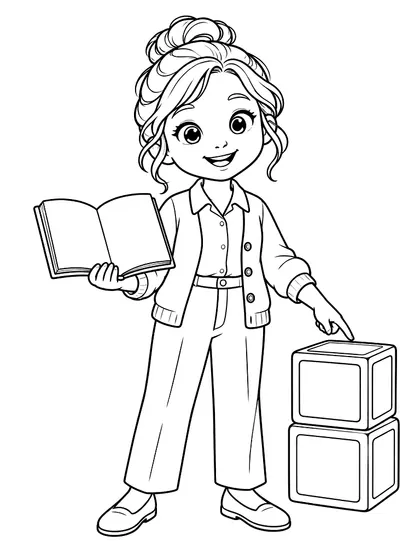
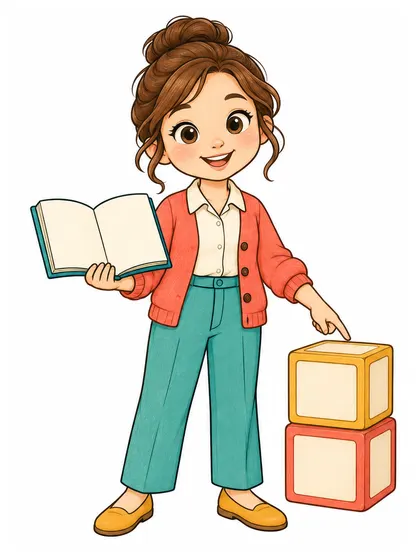
The second sentence is the hardest of the three, so have children look closely at the page first. Ask, “What is this person wearing?” and “What is in their hands?” and draw the job out of those answers. The firefighter page leads to “puts out fires and helps people,” the doctor page to “looks after people who are sick,” the chef page to “makes food,” the astronaut page to “works in space,” the farmer page to “grows grain and vegetables,” and the teacher page to “teaches children.”
It is fine if several children pick the same job. Even with the same page, different colors and different reasons make each talk different.
Character interviews for children who find standing up hard
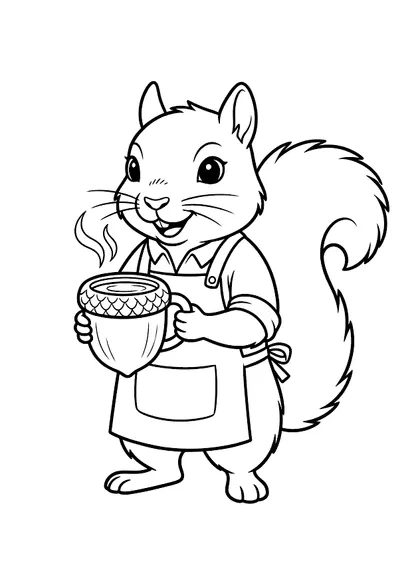
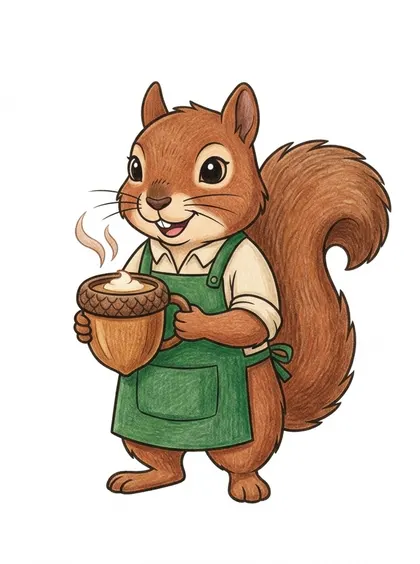
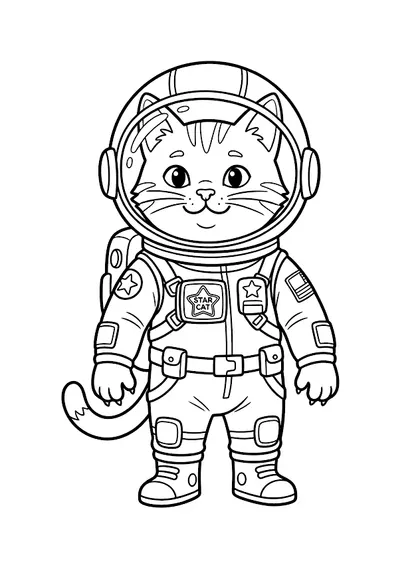
Some children find it heavy to stand in front of the class and start with “I.” For them, use the animal job pages. After coloring the barista squirrel or the astronaut cat, the child holds up the picture and answers as the character.
You act as the interviewer: “Mr. Squirrel, what is your job?” The child answers in the character’s voice, “I make coffee.” After a few tries, change the same question to “I want to be a…” and add one sentence at a time. If the child prefers to stay in the character’s voice to the end, accept that.
The listeners’ job: question cards and applause
- Three question cards: “Where do you work?” “What tools do you use?” “Who do you help?” A listener picks one card and asks it.
- When a talk ends, everyone gives the same applause. Do not rank talks by how loud the clapping is.
- After each talk a listener names one good thing, such as “You spoke loudly so I could hear.”
- At the start, agree that nobody judges a friend’s job with words like “that one is boring.”
Adjusting for age
- Age 4: one sentence only. “I want to be a ___,” holding up the picture, takes about fifteen seconds. Ask “Why do you like that job?” and accept a single phrase.
- Age 5: two sentences plus a reason. Say it to a partner first and then come to the front.
- Age 7: all three sentences and questions from listeners. On the back of the page, write one thing you can try now for this job.
Common mistakes and cautions
- Do not treat any job as the right answer or rank them. Welcome every job with the same applause.
- Do not speak of jobs as belonging to boys or girls. Do not say who suits a job just by looking at a character’s name.
- Tell children in advance that a dream can change. Today’s talk is “today’s dream.”
- Avoid making it a comparison of family jobs. If you extend it to home, keep it open, such as “ask one adult around you about their work.”
- If everyone presents at once, the last listeners tire. Split the talks into five or six children a day.
Keeping it going after the talks
Put the colored pages with name tags on a “class dream board.” About a month later, do the talk again with the same frame; some children will have changed their jobs and some will not. Tell them that changing means growing. For home, send one line in the daily notebook: “Tell your family about the job you chose today.”
Pages used in this article




FAQ
What if a child cannot choose a job?
Start from what they like to do. For a child who likes cooking, show the chef page; for one who likes plants, the farmer page. If they cannot decide today, accept “I will choose next time” as an answer.
How is this different from a job role-play lesson?
Role-play is about acting out a job with the body. This lesson is about holding up a colored picture and practicing a short talk. The two lessons can follow each other.
What if a child refuses to present?
Do not force it. Suggest a character interview, a partner reading for them, or just holding up the picture, and ask again at the next chance.
Which job pages are there?
The dream job series has 32 jobs, including firefighter, doctor, chef, astronaut, farmer and teacher, and the animal job series has 18 pages. Each is a color reference plus black-and-white line art.