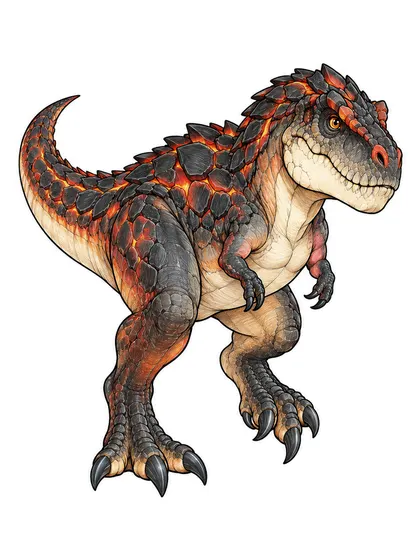
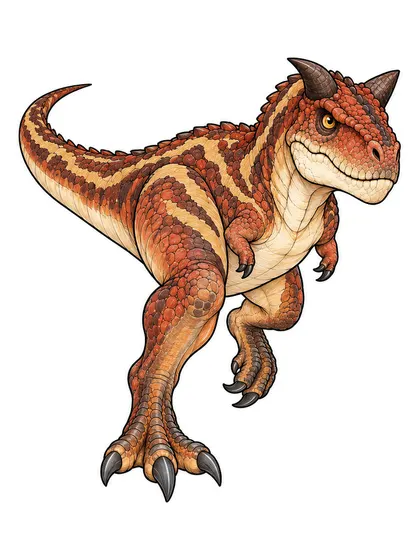
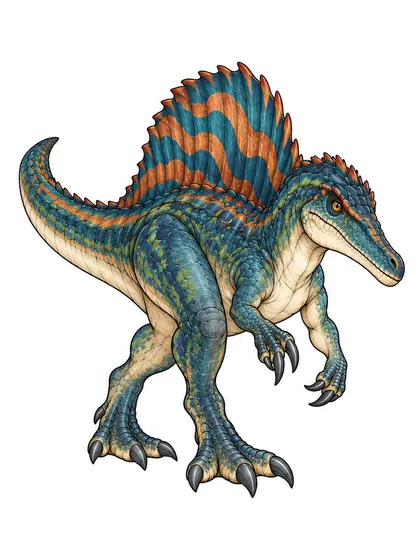
The lesson at a glance, and what to prepare
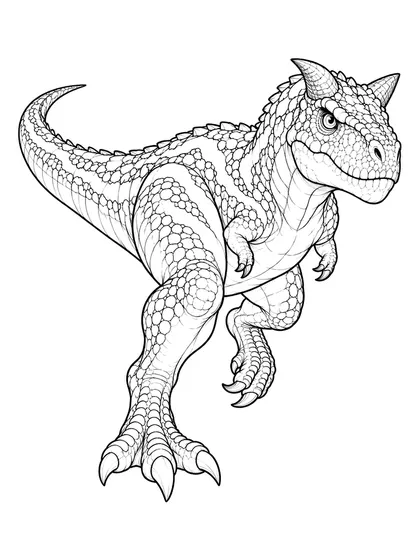
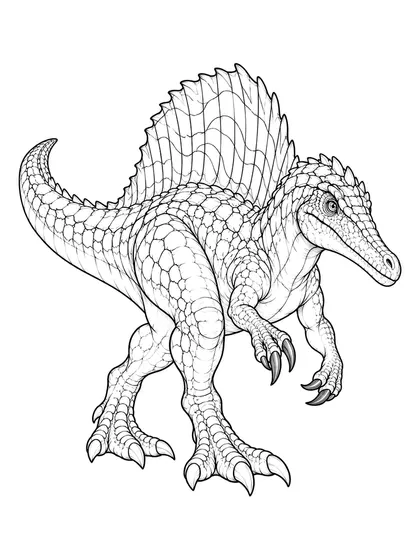
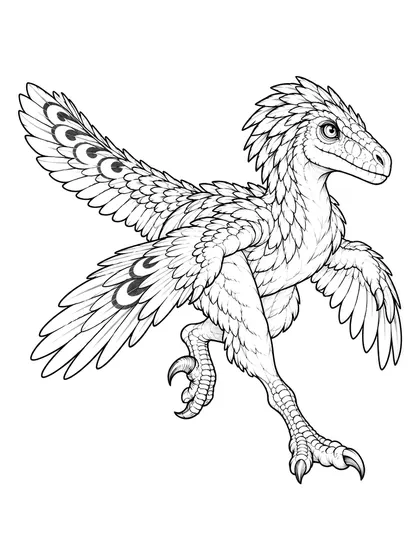
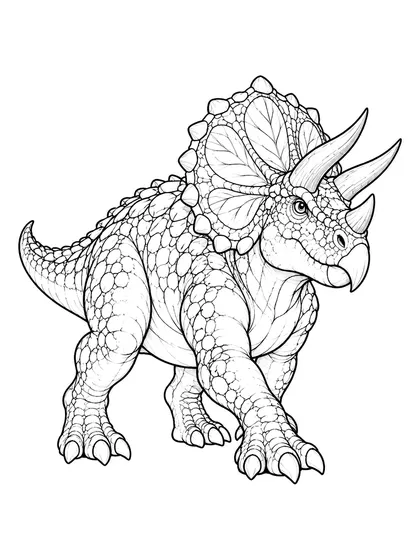
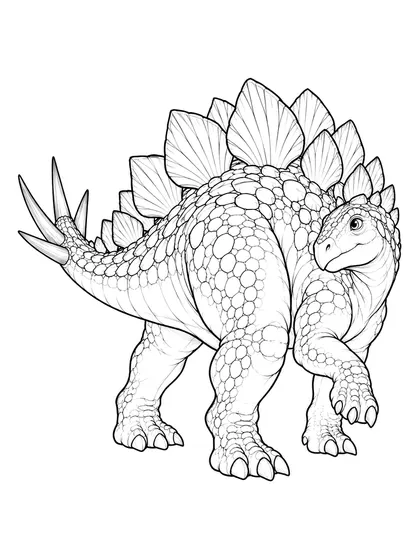
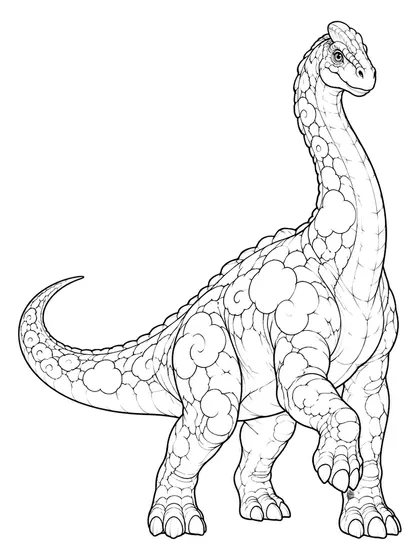
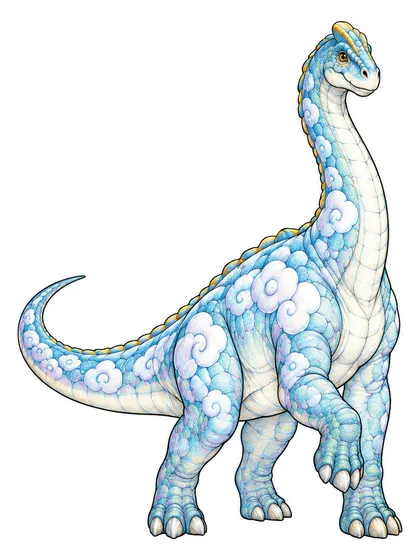
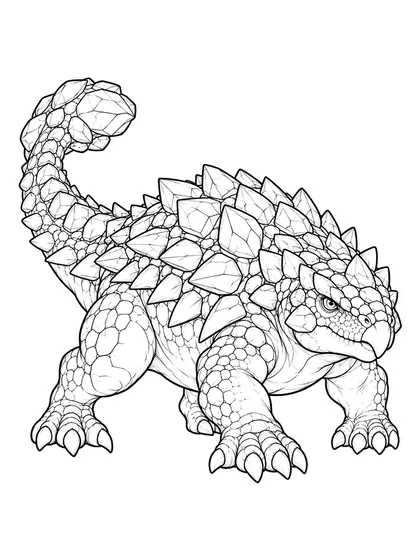
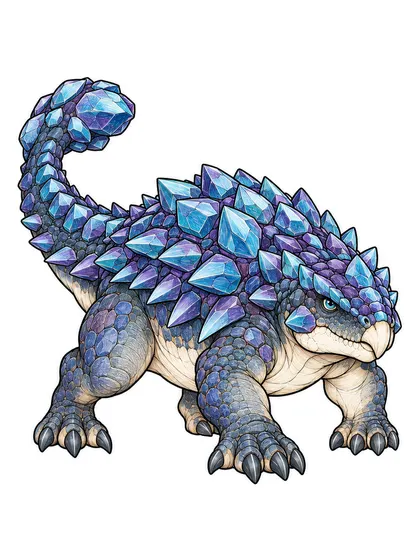
You will need one dinosaur page per child, a second print of the same pages for the fossil dig, a large sheet of poster paper, three footprints cut from thick paper, a shallow wide tub of sand or rice, and a soft paintbrush. Eight pages cover the lesson well: Tyrannosaurus, Carnotaurus, Spinosaurus, Velociraptor, Triceratops, Stegosaurus, Brachiosaurus and Ankylosaurus. That gives you four meat-eaters and four plant-eaters.
- Warm-up, 10 minutes: big paper footprints on the floor and the riddle “Whose footprint is this?”
- Coloring, 25 minutes: each child colors one dinosaur page
- Meat-eater or plant-eater, 15 minutes: stick the colored pages onto a two-column board and explain why
- Footprint comparison, 20 minutes: walk along three sizes of paper footprints
- Paper fossil dig, 25 minutes: brush through a tub of sand to find hidden pieces and put them together
- Wrap-up, 10 minutes: each child shares one thing they learned
Warm-up, 10 minutes: the footprint riddle
Put three paper footprints of different sizes on the floor, spaced apart, and ask: “Somebody walked through here. Was it a big animal or a small one?” Let the children guess from the size of the prints and the length of the steps, and do not give the answer. Then say, “Shall we go and meet them?” and hand out the pages. Coloring follows naturally.
Oval footprints cut from thick paper are enough. Stick double-sided tape on the back so they do not slide on the floor.
Coloring, 25 minutes: save the body features for last
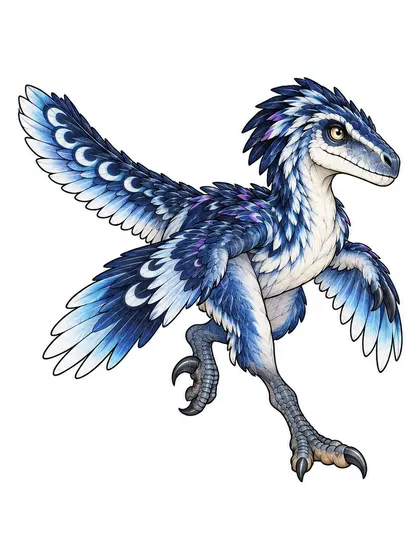
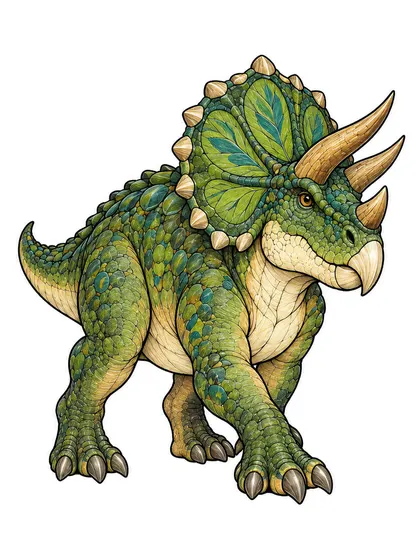
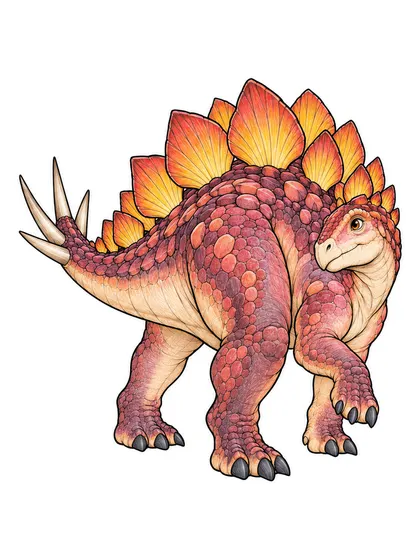
Give each child one dinosaur. If most children end up with the same kind of dinosaur, the sorting board gets dull, so swap a few pages so that meat-eaters and plant-eaters are about even. The dinosaurs on these pages are original characters based on how real dinosaurs looked. Flame patterns and crystal decorations are imagination, and for most dinosaurs nobody knows the true skin color. Tell the children they can follow the color reference or choose any colors they like.
Ask them to color the features that will matter in the next activity last, and in a bright color: teeth, claws, horns, long necks and tail decorations. A question such as “What is the first thing you notice on your dinosaur?” gets children naming those features on their own.
Meat-eater or plant-eater, 15 minutes
Fold the poster paper in half and write “Eats meat” on one side and “Eats plants” on the other. Each child brings a dinosaur forward, chooses a column and says why. Point at one clue at a time: “Look at the mouth. Do you see pointed teeth?” “What about the front feet?” “Does the body have horns or armor?”
For the dinosaurs in this lesson the diets are well established. Tyrannosaurus, Carnotaurus, Spinosaurus and Velociraptor ate animals, and Spinosaurus is thought to have eaten fish as well. Triceratops, Stegosaurus, Brachiosaurus and Ankylosaurus ate plants, and Brachiosaurus is thought to have used its long neck to reach leaves high up. If a child chooses the wrong column, do not correct it at once. Say, “Let’s look at this one’s teeth again,” and send the child back to the clues.
Not every dinosaur fits neatly into two groups, because some are thought to have eaten both meat and plants. With older children, mention that this lesson uses only dinosaurs whose diets are clear.
Footprint comparison, 20 minutes
Line up three pages in front of the board in order of size: Velociraptor for small, Triceratops for medium, Brachiosaurus for large. Match each one to a paper footprint on the floor: roughly an adult’s palm, two adult hands, and a small serving tray. Tell the children in advance that these are play sizes, not real footprint sizes. Only the order is accurate: a smaller dinosaur leaves a smaller footprint.
- Compare: hold a shoe sole next to a paper footprint and ask, “Is your foot bigger, or is the dinosaur’s?”
- Walk: set the small prints close together and the big prints far apart in one line, and step on them one at a time. “A big dinosaur takes very long steps. How should we walk?”
- Imitate: hold up a page and call the name. Big dinosaurs stomp, small ones scurry.
Paper fossil dig, 25 minutes
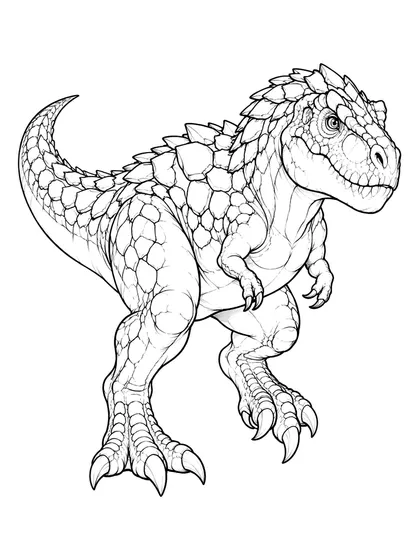
Cut the spare prints into pieces. Uncolored line art looks like a fossil left in stone. Bury the pieces in the tub of sand or rice, and let the children be the dig team, brushing the surface away to find them. When all pieces are found, they assemble the dinosaur on the floor and decide which of the colored dinosaurs from earlier it is.
A teacher line that works: “A fossil is what remains of something that lived a very long time ago, such as bones or footprints, preserved in stone. People who study them brush gently, too. Let’s use only the brush, not our fingers.” Set three rules: brush only, no throwing sand, and report each piece to the teacher as a “find.”
Adjusting for age
- Age 3: color only the big areas. Sort with one question, “Does it have pointed teeth?” Use only a big and a small footprint, and cut the fossil into 2 or 3 large pieces. Crumpled newspaper is safer than sand.
- Age 5: color the whole page and give one sentence of reasoning when sorting. Line up all three footprints by size and cut the fossil into 4 to 6 pieces.
- Age 7: write the name and diet on a small information card. Cut the fossil into 8 or more pieces and add the name as a puzzle label once it is assembled.
Running short on time, running over, and common mistakes
- With only one hour, shorten to a 5-minute warm-up, 20 minutes of coloring and a 15-minute sort, and keep the fossil dig for the next day.
- If time is left over, children can draw the place their dinosaur likes on the back of the page, or line the finished dinosaurs up on the wall from smallest to largest.
- Children often spend more than 25 minutes on one page. Color the large areas first and tell them how much time is left.
- Thin copy paper folds and tears in sand. Print on slightly thicker paper, or glue the page onto card before cutting.
- If the teacher announces the answer first, the sorting is over. Ask for reasons instead.
Keeping the sand activity safe
Agree before you start that nobody puts sand or rice in their mouth or rubs their eyes. Use a tub with high sides and sweep up spilled grains at once so nobody slips. Cutting is safest done by the teacher, and children should use blunt-tipped scissors.
Pages used in this article
FAQ
Do the children have to use realistic dinosaur colors?
No. The dinosaurs on the pages are original characters based on real dinosaurs, and for most dinosaurs nobody knows the true skin color. Children may follow the color reference or choose any colors.
Why does the lesson leave out dinosaurs such as Oviraptor and Deinocheirus?
Some dinosaurs do not have a single clear diet, and some are thought to have eaten both meat and plants. Sorting works best, and is most accurate, with dinosaurs whose diets are clear.
Are the footprint sizes real?
No. They are play sizes: a palm, two hands and a tray. Only the order is accurate, since smaller dinosaurs leave smaller footprints.
How many pages should I print?
One per child, plus a second print of line art for the fossil dig. For 20 children that is about 40 sheets, though the fossil prints can come from only four or five dinosaurs shared between groups.
What should I keep if I cannot do a half day?
Coloring plus the meat-eater and plant-eater sort fits comfortably in one hour. The footprint game works as a separate 20-minute movement activity, and the fossil dig can wait for another day.